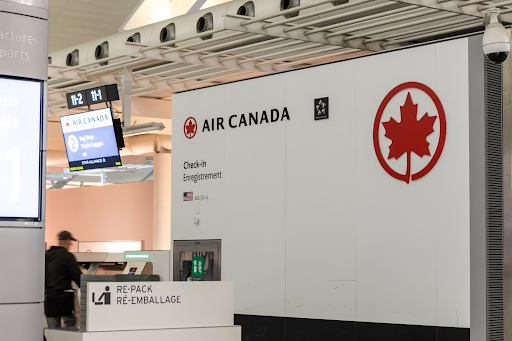
The Air Canada logo appears above the check-in desks and baggage drop area at Toronto Pearson International Airport’s Terminal 1. THE TRAVEL
Canadian travellers have long raised concerns about rising airfare costs and limited choice. Over the past year, frustration grew as airlines cut back on services while increasing fees. Those concerns may now face a turning point as the federal government moves to allow more foreign airlines into Canadian airspace.
Ottawa has approved new air travel agreements that open the door to more flights from the Middle East. The move aims to bring stronger competition and improve travel options for passengers across the country.
Government welcomes new airline access
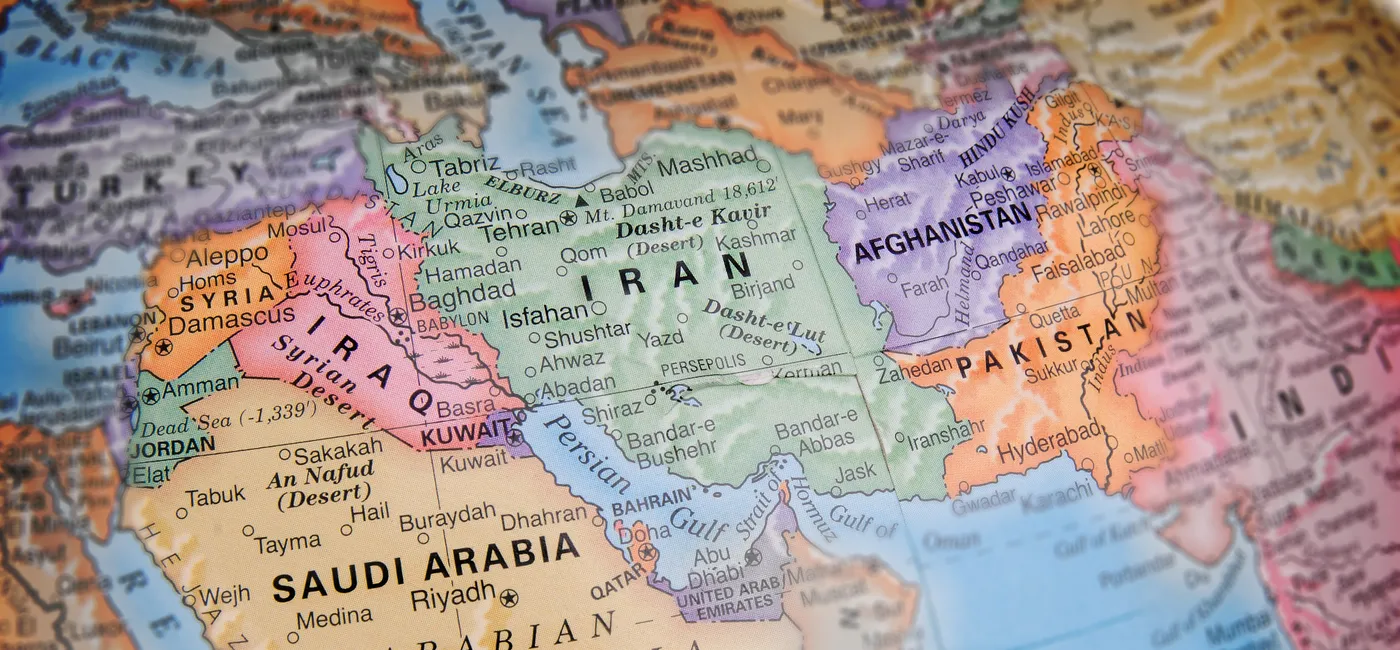
The federal government has agreed to expand flight access from Saudi Arabia and the United Arab Emirates after years of strict limits. This change follows renewed efforts by Prime Minister Mark Carney to strengthen ties with Middle Eastern nations.
After Carney visited Abu Dhabi, the United Arab Emirates committed $70 billion in investment to Canada. Soon after, Transport Minister Steven MacKinnon announced the updated flight agreements.
Under the new rules, airlines from Saudi Arabia can now operate 14 passenger flights per week to Canada, up from four. Carriers from the United Arab Emirates can offer 35 weekly passenger flights, an increase from the previous limit of 21. Both countries can also run unlimited cargo flights.
MacKinnon said, “This is all part of our ambition to continue to grow export markets, build and strengthen business ties and have generally speaking more openness and more ability to deal with the rest of the world.”
Pressure builds on Canadian airlines
Middle Eastern airlines often promote spacious cabins, upgraded meals, and strong customer service. Their growing presence may push Canadian carriers to improve service standards and pricing.
Many critics argue that limited competition has allowed Canadian airlines to raise fees and reduce passenger protections. Last year, WestJet faced backlash after enforcing a weight limit on mobility devices, which left some passengers stranded. The airline also increased checked baggage fees.
With more international carriers entering the market, travellers may soon see more choices and better value.
Air Canada addresses the change
Air Canada responded publicly to the government’s decision, while other major airlines declined to comment. The airline said it remains confident in its services and global reach.
A company spokesperson said Air Canada competes “with the best in the world.” The airline also pointed to its existing partnership with Emirates, which allows passengers to connect beyond Dubai on Air Canada’s Toronto–Dubai route.
“Yes, Middle East airlines carry significant connecting traffic to regions such as the Indian Subcontinent, but our agreement with Emirates enables us to flow traffic beyond Dubai on our Toronto-Dubai flight,” the spokesperson said.
Partnership seen as a strategic advantage
Air Canada extended its partnership with Emirates in November 2025. The agreement, first launched in 2022, has already served more than 550,000 travellers and connects passengers across 56 shared routes.
The renewed deal runs until the end of 2032 and supports daily, year-round service between Toronto and Dubai. Air Canada executive Mark Galardo said the partnership strengthens global connections for both travellers and cargo.
While the agreement gives Air Canada an edge, analysts expect the arrival of more Middle Eastern airlines to challenge all major carriers operating in Canada.
A changing landscape ahead
As new airlines enter Canadian skies, competition will likely increase across pricing, comfort, and service. For travellers, the changes may signal better options ahead. For airlines, the pressure to adapt has clearly begun.