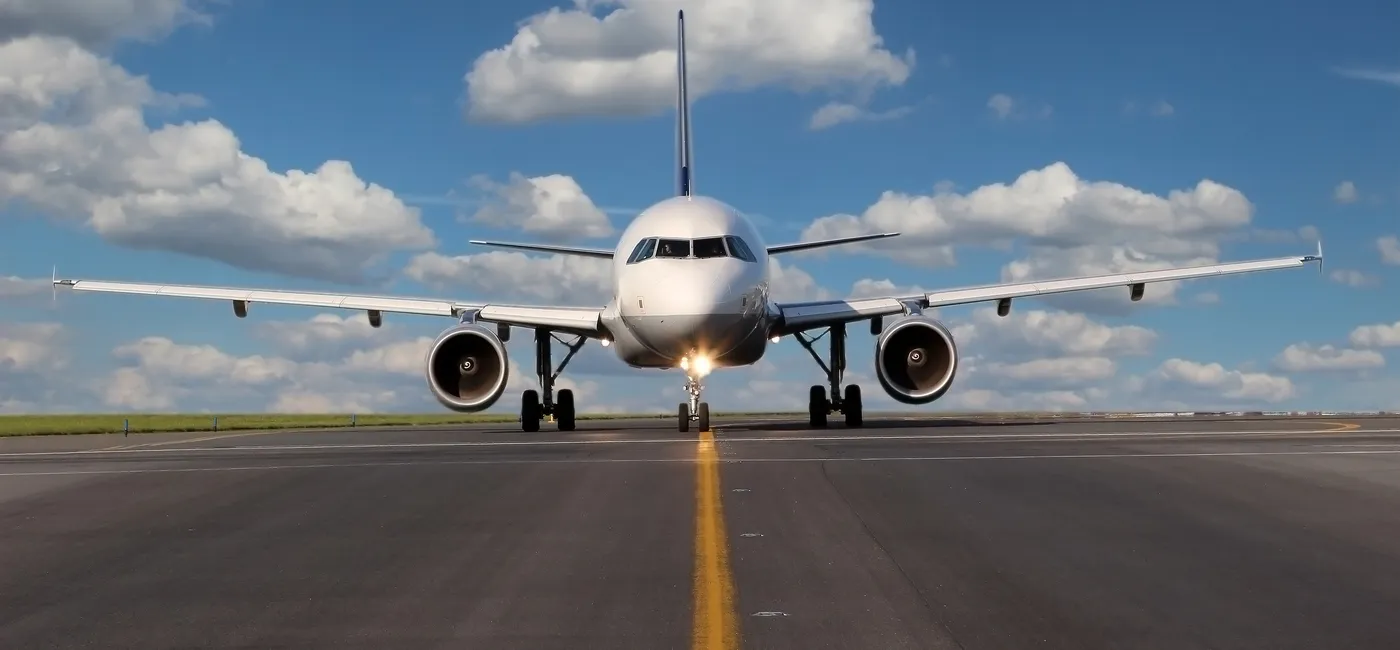
Major airlines in the United States are cutting back on flights to key Canadian cities as fewer people travel across the border. Reuters
Major American airlines have started pulling back flights to Canada, marking a clear change in cross-border travel patterns. Airlines now direct their planes toward Europe, Brazil, and the Caribbean, where travellers show stronger interest and bookings continue to rise.
Fewer travellers cross the border
New figures from Canada’s tourism data show a steady slowdown in travel between the United States and Canada. In December 2025, international arrivals fell by 12.7 per cent compared with the same month a year earlier. This marked the 11th month in a row that Canada recorded a yearly drop in foreign visitors.
Air travel from the United States declined sharply. Visits by American residents flying into Canada dropped 8.9 per cent, while trips by car fell nine per cent. At the same time, fewer Canadians returned home from the United States. Air returns fell 18.7 per cent, and road trips dropped 30.7 per cent.
Economic pressure and political strain between the two countries played a role. The weaker Canadian dollar also made trips south more expensive for many Canadians, reducing travel in both directions.
Airlines pull back from key Canadian cities
As demand cooled, American Airlines announced it would end several Canadian routes. The airline will stop its nonstop service between New York and Toronto in May 2026, closing a route that launched in early 2023. The airline cited lower demand and growing pressure to use aircraft on more profitable routes.
Delta Air Lines followed a similar path. Delta confirmed it would end its year-round flights between Salt Lake City and Toronto in November 2025. The carrier pointed to weak interest in cross-border travel as the main reason for the decision.
Other airlines also reduced service to major Canadian hubs such as Toronto and Montreal, signalling a wider pullback across the industry.
Holiday spikes fail to change the trend
The December holiday season brought brief increases in travel. One late-December Saturday saw thousands of visitors arrive from the United States and overseas. Still, those short bursts failed to offset the overall decline.
While fewer Americans visited Canada, arrivals from overseas countries rose 6.6 per cent. This increase softened the overall drop but did not reverse it.
Airlines chase stronger markets abroad
As Canada-US travel slowed, airlines redirected attention to regions showing stronger demand. American Airlines expanded service to cities across Europe and South America, including new or extended routes to Greece, Italy, Hungary, and Argentina. The airline also added flights across the Caribbean.
Delta Air Lines moved in the same direction. Delta launched new summer routes to Spain, Italy, Portugal, and Malta while restoring flights to several Caribbean destinations. Leisure travel drove much of this expansion.
Pressure grows on Canada’s tourism sector
The drop in US visitors poses a challenge for Canada’s tourism industry, which has long relied on travellers from the United States. Fewer flights mean fewer options for visitors and higher pressure on businesses that depend on cross-border travel.
Still, the rise in overseas visitors offers some encouragement. Industry observers say Canada may need to rely more on long-haul travellers while airlines continue reshaping their networks.
What lies ahead
As airlines adjust their schedules for 2026, Canada-US air travel stands at a turning point. Airlines now favour routes that promise stronger returns, even if that means reducing long-standing links between neighbouring countries. Unless demand rebounds, Canada may see fewer direct connections while global destinations gain ground.