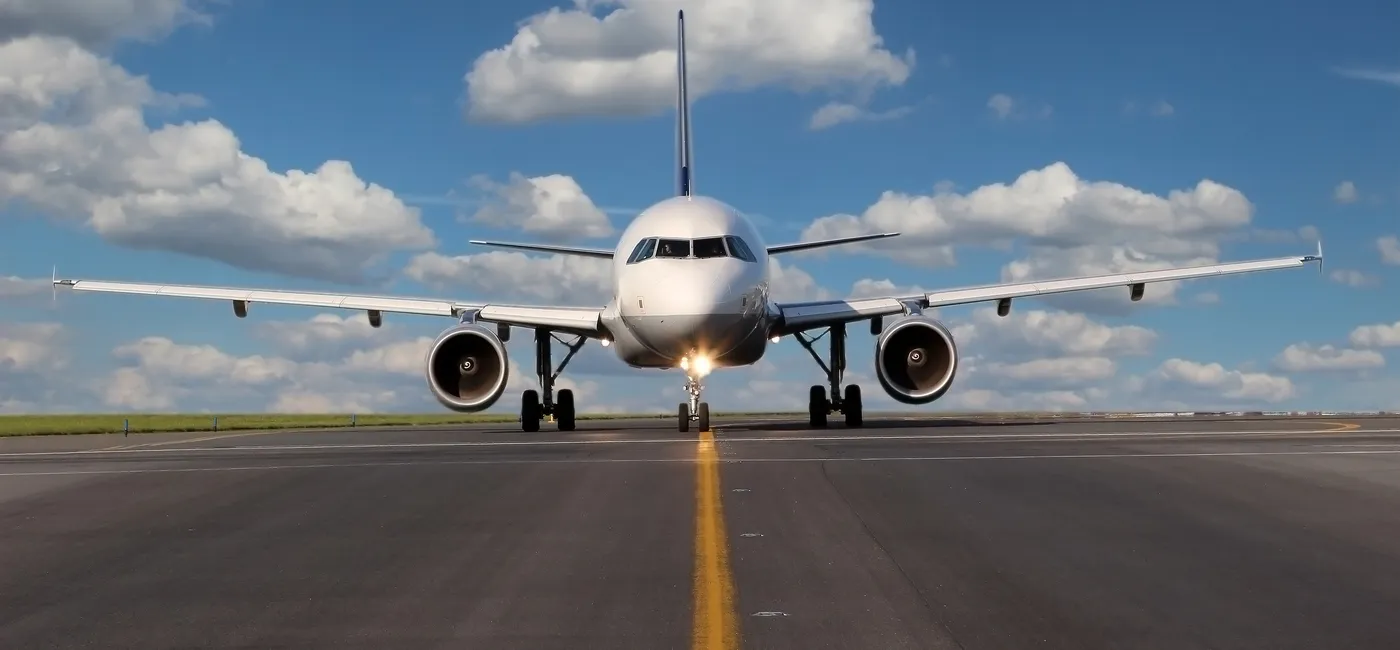
Suitcases remain at the airport as an aircraft departs in the distance, highlighting travel disruptions. Travel Pulse Canada
After the holidays, many Canadian snowbirds usually head south for warmer weather. This year, many chose not to travel to the United States. They followed a wider shift already taking shape among Canadian travellers, who now show less interest in U.S. destinations.
This change does not involve Canadians alone. Visitors from around the world have also started turning away from the United States. The World Travel & Tourism Council expects the U.S. to lose about $12.5 billion in international visitor spending in 2025. Among 184 countries reviewed with economic partners, the United States stood alone in seeing a drop in overseas travel spending last year.
Airlines Respond With Fewer Seats
Airlines reacted quickly to the drop in demand. Travel data from the analytics firm OAG shows Canadian carriers sharply reduced flights to the United States.
Flair Airlines made the largest move, cutting U.S.-bound seats by 58 per cent. WestJet reduced capacity by 19 per cent, while Air Canada trimmed seven per cent.
Most of these cuts affected leisure destinations. Flights to Las Vegas and Florida saw the biggest reductions, areas long favoured by vacationers and retirees seeking sun.
Fewer US Flights, New Destinations Added
Overall, Canadian airlines cut almost 10 per cent of their U.S.-bound capacity for the first three months of 2026. That reduction equals about 450,000 fewer seats.
Airlines did not leave planes grounded. Instead, they shifted capacity toward destinations Canadians now prefer. Mexico, Caribbean islands, and several European cities gained more flights as travellers looked for fresh experiences and reliable value.
These changes suggest airlines now follow passenger choices more closely than ever. Routes rise or fall quickly based on demand, especially during peak travel seasons.
Are New Travel Habits Here to Stay?
Industry analysts continue to watch the snowbird market closely. Many older travellers now choose longer flights to new destinations instead of returning to familiar U.S. spots. The question remains whether they will keep doing so.
OAG raised that concern in its latest report, noting that travel choices made early in 2026 could shape future habits. “The travel trends observed in the first quarter of 2026 may signal a lasting shift in travel patterns. and, notably, in spending habits among a traditionally affluent demographic seeking warmth and sunshine,” states the report.
If travellers enjoy their new destinations, airlines may lock in these route changes. That shift could affect tourism businesses across popular U.S. vacation regions for years to come.