The FDA reviews autism drug claims linked to leucovorin, stating evidence is limited while approving the drug for a rare neurological disorder.
The U.S. Food and Drug Administration has approved a generic medication for an extremely rare neurological disorder but says there is little evidence supporting earlier claims that the drug could benefit people with Autism Spectrum Disorder.
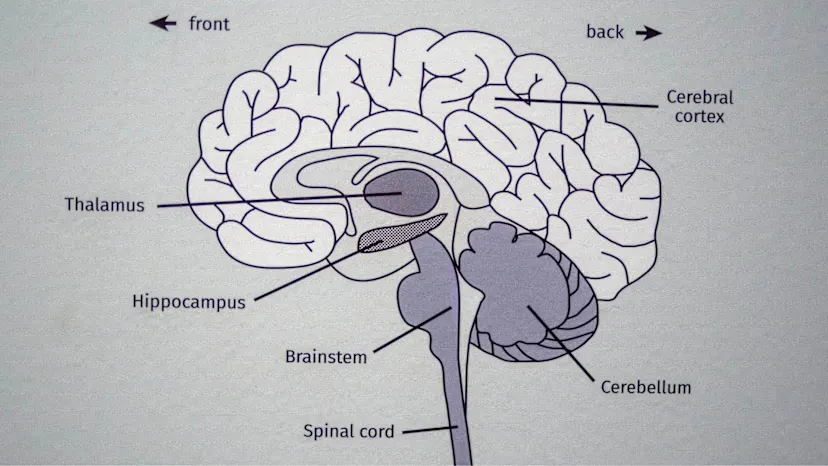
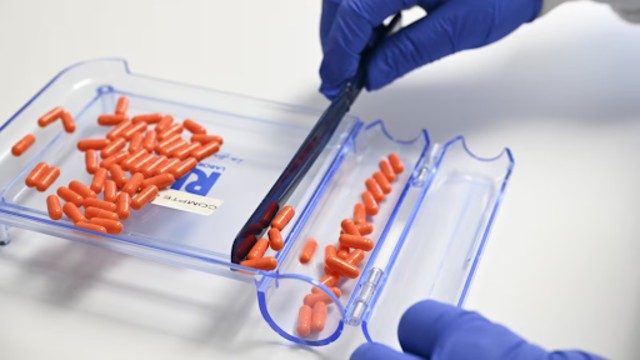
The drug, Leucovorin, was approved Tuesday for patients with a genetic condition that prevents adequate delivery of folate—a form of vitamin B—to the brain. According to federal health officials, the disorder affects fewer than one in a million people in the United States.
The decision marks a notable shift from earlier public statements made during a White House news conference in September.
Earlier Claims Sparked Expectations
At that event, Donald Trump and FDA Commissioner Marty Makary suggested the drug might help children with autism, particularly those with certain folate-related brain deficiencies.
Makary said at the time that the medication could potentially benefit “20, 40, 50 percent of kids with autism,” fueling optimism among some families.
The announcement followed a broader promise from Robert F. Kennedy Jr., the U.S. health secretary, to determine the causes of autism by September.
FDA Narrows Scope of Approval
However, senior FDA officials later clarified that their final review focused only on the strongest available scientific evidence.
That evidence supported the drug’s use only for patients with the rare genetic mutation affecting folate transport in the brain.
Officials also noted that one study frequently cited as evidence for leucovorin’s potential autism benefits was retracted earlier this year.
What the Drug Is Currently Used For
Leucovorin is a synthetic metabolite of folate, a vitamin essential for cell growth and healthy pregnancies.
The drug is already approved for several medical uses, including reducing the side effects of certain chemotherapy drugs and treating a rare type of blood disorder.
Patients with the folate-delivery disorder often experience seizures, movement problems, and neurological symptoms that can resemble autism.
Medical Community Remains Cautious
Major medical organizations remain skeptical about the drug’s effectiveness for autism.
The American Academy of Pediatrics does not recommend routine use of leucovorin for children with autism, including those diagnosed with cerebral folate deficiency.
While some small studies suggest possible benefits, experts say the evidence remains limited and inconclusive.
Prescriptions Rise After Public Claims
Despite the lack of strong evidence, the medication has already seen increased use.
A recent study published in The Lancet found that prescriptions for leucovorin among children aged five to 17 rose by 71 percent in the three months after the White House announcement.
Some families of autistic children have also reported difficulty filling prescriptions in recent weeks due to increased demand.
To address supply concerns, the FDA said it is allowing imports of the drug from foreign manufacturers.
Meanwhile, the original manufacturer, GSK, has indicated it does not plan to relaunch its version of the medication.
Questions Remain About Autism Treatment
Some researchers believe certain antibodies may block folate from entering the brain in a small subset of people with autism. But advocacy groups like the Autism Science Foundation say similar antibodies are often found in people without autism, raising doubts about the theory.
Scientists widely agree that autism does not have a single cause. Most research suggests it results from a complex combination of genetic and environmental factors.