Alberta is preparing to stop changing clocks twice a year and plans to remain on daylight time throughout the year. The Globe & Mail
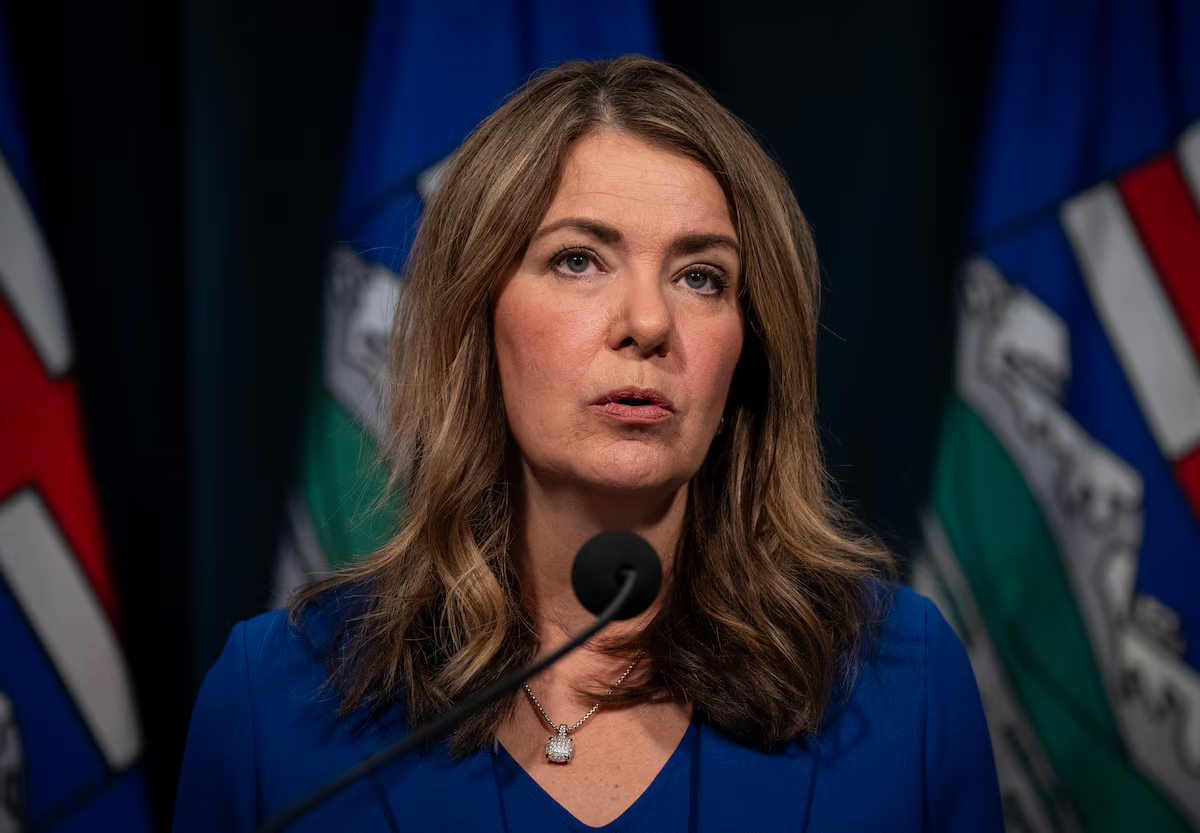
Alberta plans to stop changing clocks twice a year, Premier Danielle Smith has confirmed. The province will move toward keeping daylight time throughout the year, ending the long-standing practice of switching between standard time and daylight time.
The change means residents will no longer turn clocks forward in spring or back in fall. Instead, Alberta will remain on its current time year-round.
What the change means for daily life
This shift will bring noticeable changes to daily routines, especially during winter months. Mornings will have less daylight, while evenings will stay brighter for longer periods.
Many people may welcome the extra evening light, especially after work hours. However, darker mornings could affect early commuters and students.
The government plans to introduce legislation soon to make this change official.
Recent discussions shaped the decision
Last month, the provincial government began consulting residents on whether to continue changing clocks. The discussion gained attention after neighbouring British Columbia announced its intention to stay on daylight time permanently.
Premier Smith said earlier, “I kind of like more sunlight at night, and I think most people do, too, because we are on daylight eight months out of the year.”
She also noted, “Going to standard (time) 12 months of the year would be a big adjustment for people.”
The move in British Columbia raised questions about keeping time consistent across western provinces, which played a role in Alberta’s decision.
Impact on businesses and travel
Ending clock changes could affect several sectors, including business and transportation. Time differences with other provinces may shift depending on the season.
If Alberta adopts permanent daylight time, it will stay one hour ahead of British Columbia throughout the year. At the same time, Alberta will match Saskatchewan’s time consistently.
Relations with other provinces will vary. For example, Alberta will align with Manitoba in winter but fall one hour behind during summer months. In eastern provinces like Ontario and Quebec, time differences will increase during parts of the year.
These changes may require adjustments for companies, airlines, and cross-border communication.
Health experts raise concerns
Some health experts have expressed concerns about permanent daylight time. Groups such as the Canadian Sleep Society and the Canadian Sleep Research Consortium warn that reduced morning light may affect sleep patterns.
They believe that permanent standard time would better support natural body rhythms. Studies have linked time changes to issues like higher heart rates, increased blood pressure, and disruptions in sleep cycles.
On the other hand, supporters of daylight time say brighter evenings can improve safety and allow people to stay active longer after work.
Long debate in Alberta
The question of time changes has sparked debate in Alberta for decades. In 2021, residents voted in a referendum on keeping daylight time all year. The proposal failed by a very small margin.
Earlier votes showed mixed opinions as well. In 1971, Albertans approved daylight time after a majority vote, though earlier results had shown divided views.
The topic has returned many times in public discussions, showing how strongly people feel about it.
What happens next
Alberta currently plans to switch back to standard time on November 1. However, if the new law passes, that change may not take place in the future.
The government will introduce legislation soon, and the final decision will depend on its approval.