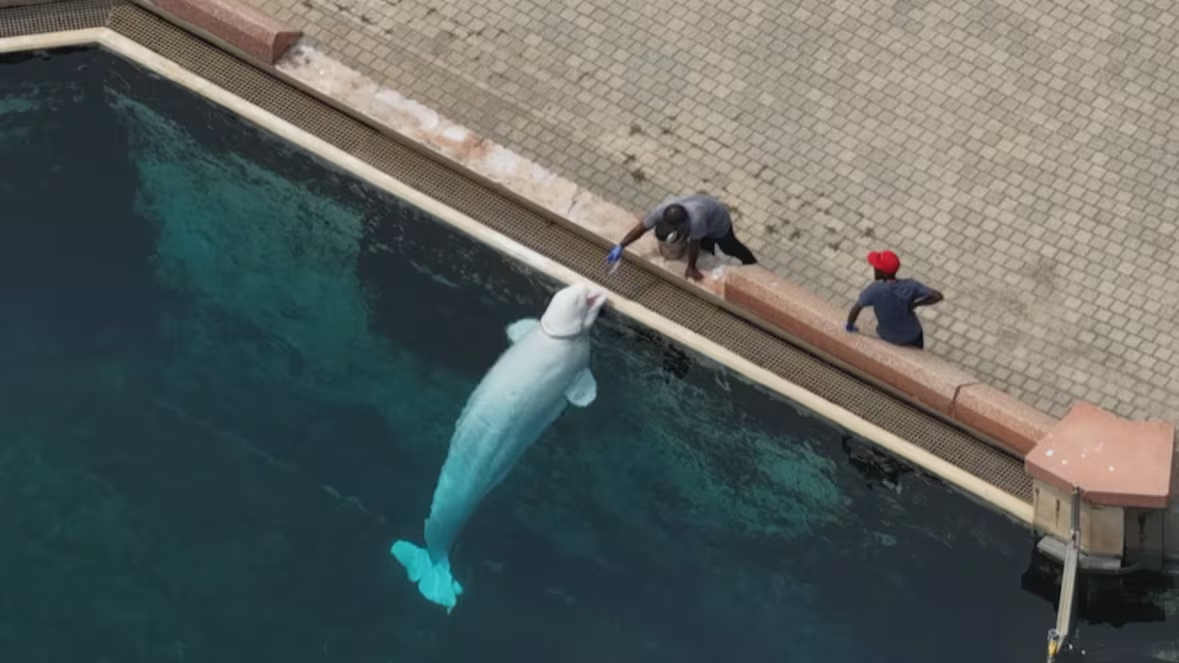
Marineland has continued to care for belugas, dolphins, and other animals despite closing its doors to the public in 2024. (Photo Credit: CBC)
Canada’s shuttered Marineland is seeking a federal loan between $10 million and $20 million to fund the relocation of dozens of marine animals to facilities in the United States. The proposal, which involves transferring up to 30 beluga whales and four dolphins, has reportedly received preliminary approval, though key hurdles remain.
According to a senior government source, the primary concern is Marineland’s refusal to disclose its financial records, raising questions about transparency in the use of public funds.
Funding Approval Meets Transparency Concerns
While the federal government is said to be prepared to provide the loan, officials are hesitant to proceed without full financial disclosure from Marineland. The lack of transparency has become a major obstacle, especially given the scale of public money involved.
In response, Marineland stated that the logistical and financial requirements of transporting such a large number of marine animals are substantial. However, the organization declined to comment directly on the reported loan, describing the details as speculative.
A Park in Transition
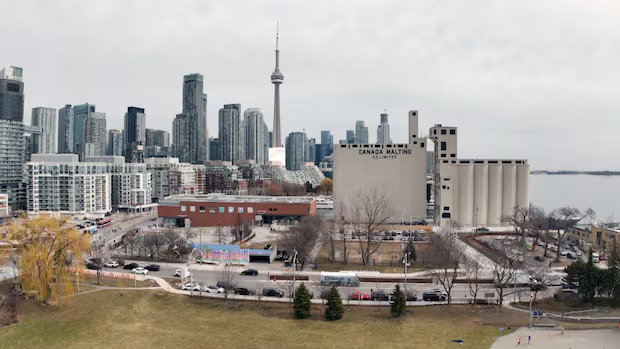
Marineland, located in Niagara Falls, Ontario, has been closed to the public since the end of summer 2024. Following the deaths of its owners, John Holer and later Marie Holer, the property was placed into a trust.
The park spans over 300 hectares and is estimated to be worth hundreds of millions of dollars. Despite its value, the facility has faced financial challenges, including difficulties in selling its assets.
Complex and Costly Relocation Effort
Experts say the proposed relocation would require extensive coordination and resources. The process involves veterinarians, animal trainers, transport specialists, and receiving facilities, along with specialized equipment to safely move the animals.
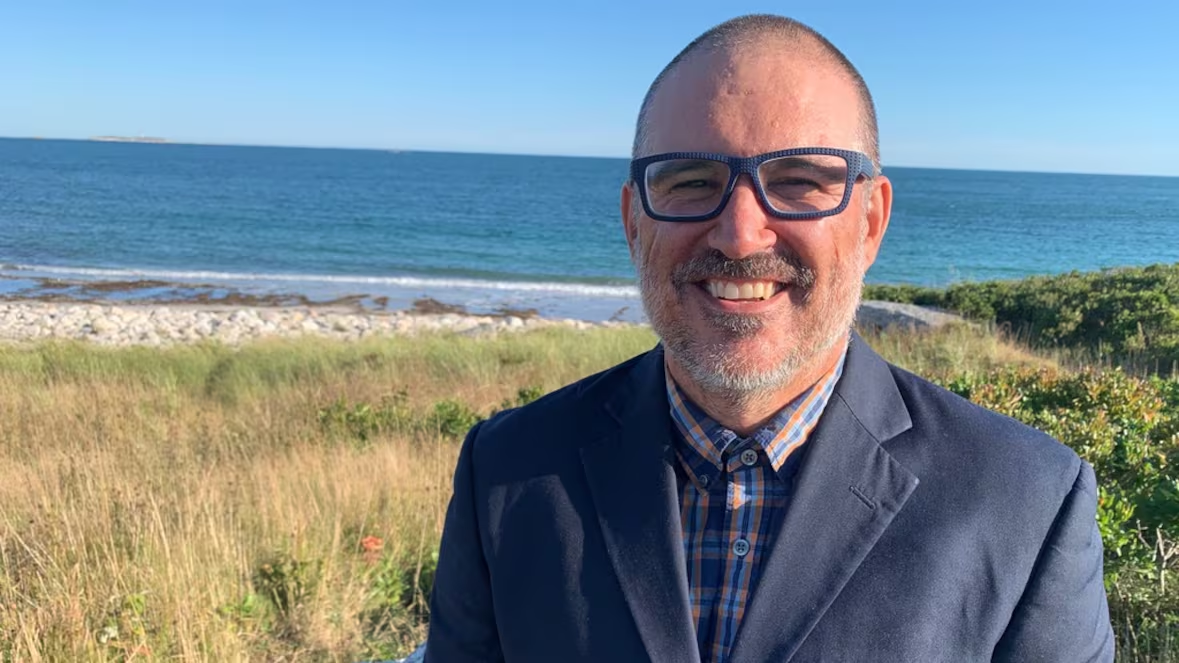
Andrew Trites, a professor at the University of British Columbia, noted that such operations are inherently expensive due to the number of professionals and logistical steps involved.
Previous Export Plan Rejected
The urgency of the relocation stems in part from earlier setbacks. A previous proposal to transfer the whales to a facility in China was denied by the Canadian government, citing concerns about keeping the animals in captivity for entertainment purposes.
At the time, Joanne Thompson emphasized that the decision was based on animal welfare considerations.
Conditional Approval for U.S. Transfer
In January, the government tentatively approved permits for relocating the animals to U.S. aquariums, including Georgia Aquarium, Mystic Aquarium, Shedd Aquarium, and a SeaWorld facility.
However, this approval depends on two critical conditions: a comprehensive veterinary health assessment of the animals and a detailed transportation plan that meets regulatory standards.
Missing Transport Plan Raises Questions
Despite claims that a relocation plan may already be in place, government officials say no formal transportation proposal has been submitted for review. This gap adds further uncertainty to the timeline, even as reports suggest some animals could be moved as early as June.
Marineland has stated that it is working with U.S.-based partners and remains in discussions with federal authorities to ensure compliance with safety and regulatory requirements.
Pressure Builds for Resolution
Animal welfare concerns continue to intensify, particularly as the whales have faced the risk of euthanasia since last year following delays in relocation efforts.
Experts argue that the prolonged uncertainty has already taken a toll and emphasize the need for swift action. While financial and regulatory issues remain unresolved, the broader focus is on ensuring the animals are moved to safer and more stable environments.
What Comes Next
The future of the relocation effort depends on resolving key issues around funding transparency and regulatory approval. Until then, the situation remains uncertain, with both government officials and experts urging progress.
For now, the process appears stalled between financial negotiations and logistical planning, leaving the fate of the animals tied to decisions still under review.