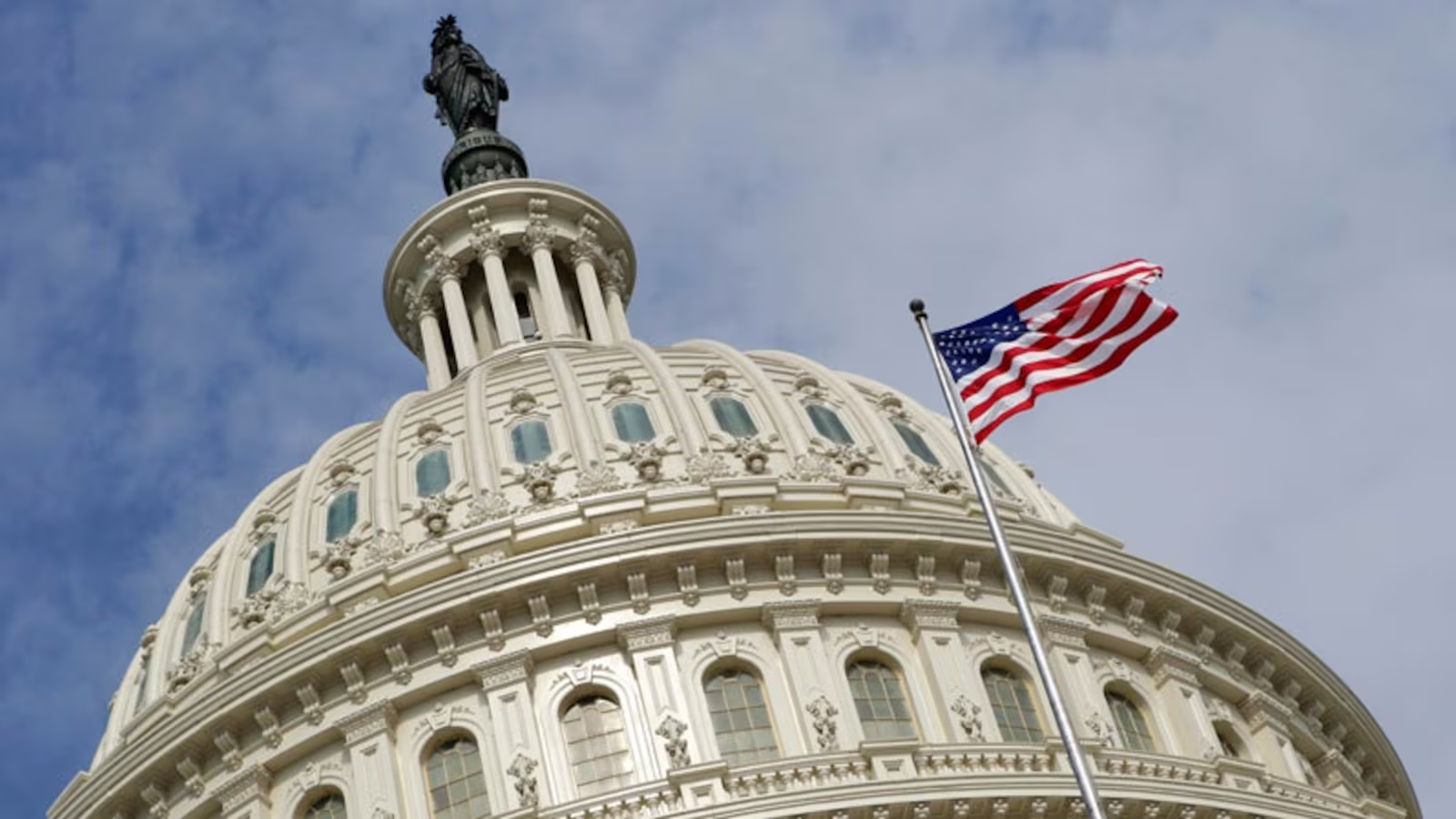
Instagram is testing a premium subscription in several countries, as social media platforms increasingly roll out paid features. (PC: Reuters)
Free apps quietly turning into paid playgrounds was probably inevitable. Now Instagram is testing just how far users are willing to go when convenience, visibility, and a little secrecy come with a price tag.
The platform is experimenting with a subscription model called Instagram Plus, offering a set of premium features for a monthly fee. These include extending the lifespan of story posts, pushing stories to the front of followers’ feeds, and even tracking how many times a story has been rewatched. On top of that, users can create multiple friend lists to control who sees what, and perhaps most controversially, view others’ stories without being detected.
The Rise of Pay-to-Play Social Media
This move is part of a broader shift across the digital economy. Platforms that once thrived on free access supported by ads are now layering in subscriptions, targeting users who are willing to pay for enhanced experiences.
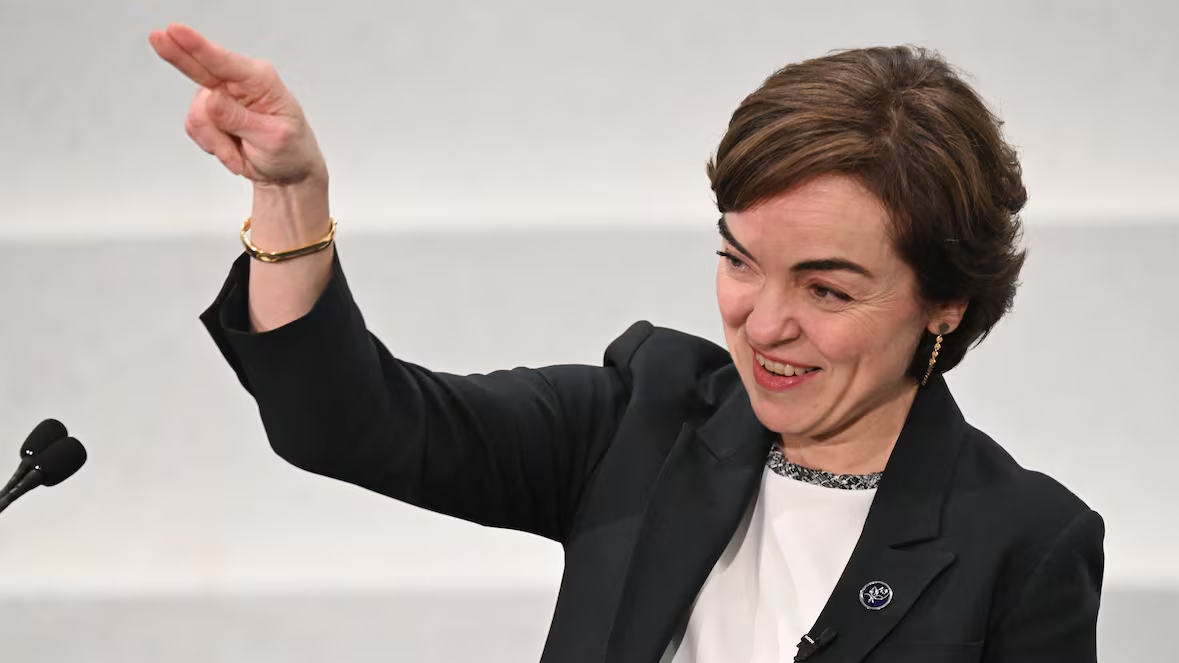
Financial planner Hanna Horvath explains that companies are increasingly focused on high-spending users, since a smaller group of consumers tends to drive the majority of revenue. As a result, platforms may not be overly concerned about users frustrated by rising costs, as long as a segment continues to subscribe.
This trend is not isolated. From streaming services to productivity apps, subscription fatigue is becoming a real issue. Ironically, the same users who once embraced ad-free, flexible digital services are now juggling multiple monthly payments, sometimes longing for simpler bundled models from the past.
Premium Features, Real Risks
While Instagram Plus may appeal to highly engaged users seeking more control and visibility, experts warn that some features could create unintended consequences.
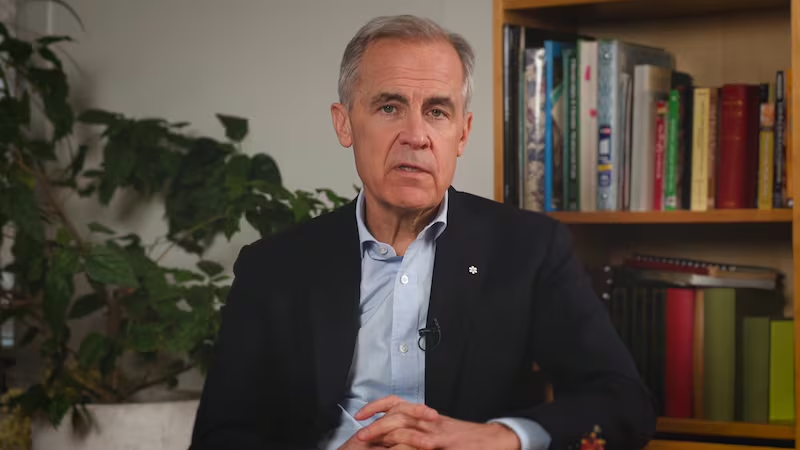
Brett Caraway from the University of Toronto suggests that allowing users to view stories anonymously could introduce a form of subtle surveillance. This might make non-paying users uncomfortable, potentially damaging trust within the platform.
There is also the social perception factor. Paid features can sometimes carry stigma. A similar pattern emerged on Twitter after its subscription-based verification system was introduced, where paying users became targets of online ridicule. If Instagram follows a similar path, the platform risks creating a divide between those who pay and those who do not.
Balancing Profit and User Experience
For platforms like Instagram, the challenge is maintaining a balance between monetization and user satisfaction. Advertising alone is no longer enough, but excessive monetization can make platforms feel cluttered and transactional.
Caraway notes that platforms are walking a fine line. They must keep advertisers happy, retain user engagement, and still find new revenue streams. Paid features are one way to achieve that, but they come with trade-offs.
Too many ads can make a platform feel overwhelming, while too many paid features can make it feel exclusive. Either way, the user experience is at risk if the balance is not carefully managed.
A Shift That’s Hard to Ignore
The bigger picture is hard to miss. Social media, once marketed as open and equal, is gradually moving toward tiered access. The question is not just whether people will pay, but how much fragmentation users are willing to tolerate.
For now, Instagram Plus is still in the testing phase. Whether it becomes a permanent feature will likely depend on how users respond, not just in terms of subscriptions, but in how they perceive the platform overall.
Because at some point, even the most loyal users start doing the math on how many subscriptions they are quietly funding every month.