Manitobans gather in a solemn walk to honour workers lost to job-related deaths and illnesses. City News
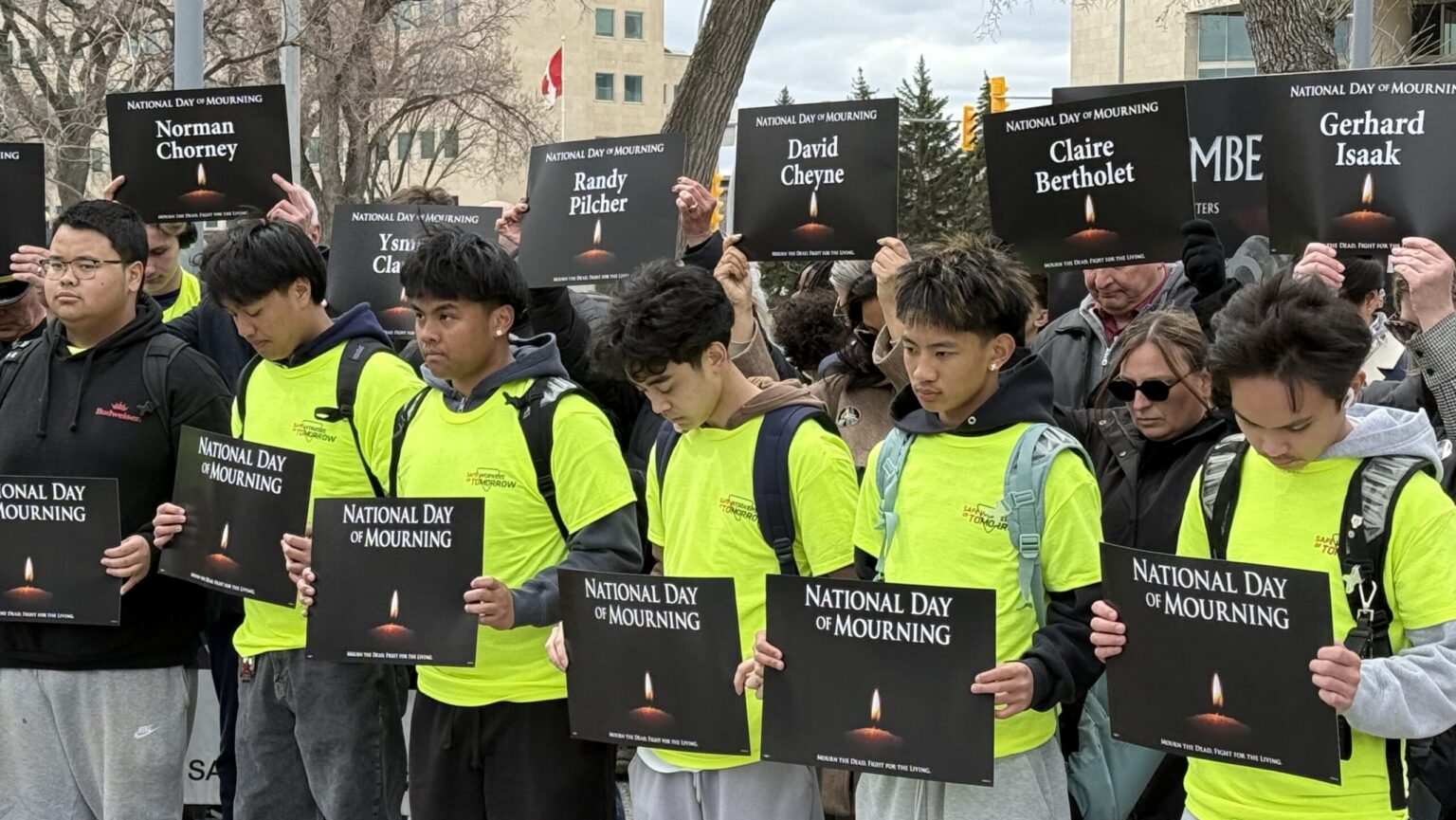
On Tuesday, April 28, 2026, Manitobans came together to observe the International Day of Mourning, a day dedicated to remembering those who have lost their lives or suffered severe injuries and illnesses while working. This solemn occasion saw hundreds of people gather in Winnipeg, walking in tribute to workers who tragically passed away in the past year due to workplace accidents or illnesses.
A Day to Remember and Stand in Solidarity
The International Day of Mourning serves as an important reminder of the ongoing need to improve workplace safety and to show support for the families of workers who have died. Nick Kasper, president of the United Fire Fighters of Winnipeg, spoke at the event, expressing his sympathy for the families affected. He acknowledged the pain of losing loved ones in the line of work, emphasizing that such losses are deeply felt by communities and families. “It’s a solemn day. It’s an important day for the families here mourning the loss of their loved ones that were taken too soon doing the work they do,” Kasper said. He also highlighted the collective responsibility to enhance workplace safety in the province, stressing the role of unions in advocating for better working conditions.
The Impact of Workplace Tragedies in Manitoba
Workplace injuries and fatalities remain a significant concern across Canada, with over 1,000 Canadians losing their lives on the job every year. In Manitoba alone, 14 workers tragically died due to work-related accidents and illnesses in the past year. These losses are a stark reminder of the importance of prioritizing safety and providing adequate protection for workers in all industries.
Support for First Responders
In addition to remembering those lost, the provincial government took this opportunity to announce a significant funding initiative. The Manitoba government revealed a $100,000 contribution to the Preston Heinbinger Memorial Fund, which supports first responders' mental health. Heinbinger, a Winnipeg firefighter who died in 2024 from undiagnosed PTSD, left behind a legacy that has inspired a fund to help first responders battling mental health issues such as PTSD and addiction.
Manitoba's Minister of Labour and Immigration, Malaya Marcelino, emphasized that every worker deserves to return home safely to their loved ones. “Every worker deserves to be safe for the people who love them. And our government will continue to prioritize workplace safety and health,” Marcelino stated. She reaffirmed the government's commitment to improving workplace conditions and protecting the province’s workers.
Premier’s Support for Mental Health Programs
Along with the funding announcement, Premier Wab Kinew discussed the impact of mental health programs tailored specifically for first responders. Kinew expressed support for the Preston Heinbinger Memorial Fund’s four-day program, which is designed to help first responders cope with PTSD and other mental health challenges faced on the job. “This is a very robust program that is designed to interrupt the feelings and mental health impacts associated with PTSD and other mental health impacts of being on the front lines,” Kinew said.
Kasper, too, expressed gratitude for the government’s investment in the program, which he believes is making a real difference in the lives of first responders. “We’ve already had about a dozen members from Winnipeg attend, and it’s been tremendously well-received,” he said. The program, which is based in British Columbia, provides critical support for those in high-risk occupations, particularly those who experience the emotional toll of their work.
Honouring the Lives Lost and Protecting Future Workers
The International Day of Mourning in Manitoba served not only as a day of remembrance but also as an opportunity to reflect on the ongoing challenges faced by workers, especially those in high-risk professions. While the province has made strides in improving worker safety, it remains clear that more work is needed to prevent workplace tragedies and support those who are most vulnerable to mental health struggles.