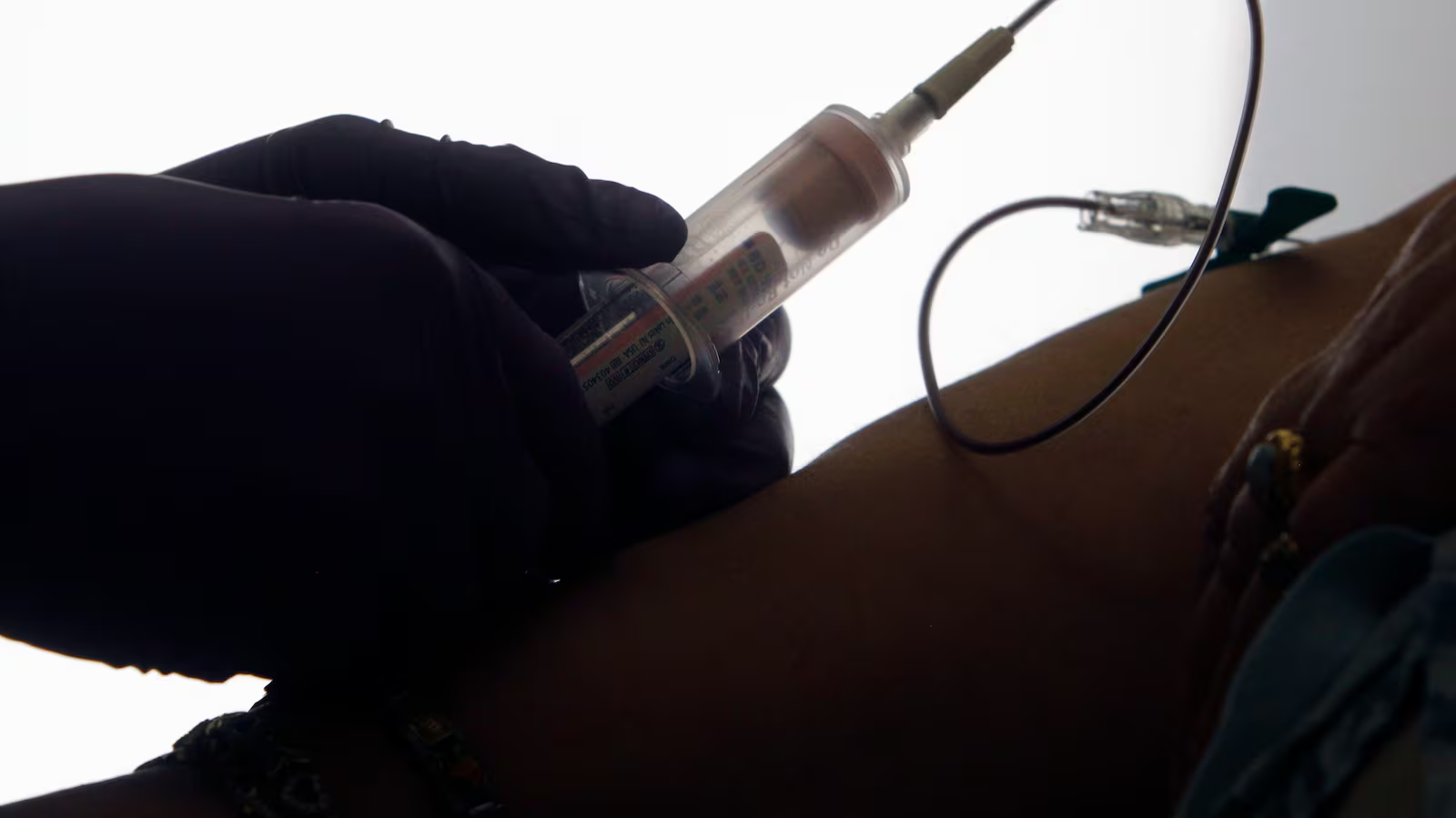
In this April 28, 2015 file photo, a patient has her blood drawn for a liquid biopsy during an appointment at a hospital in Philadelphia. (AP Photo)
A groundbreaking study has revealed that post-traumatic stress disorder (PTSD) may leave measurable biological traces in the body, detectable through routine blood tests. Conducted by researchers at Mass General Brigham, the Broad Trauma Initiative, and Harvard T.H. Chan School of Public Health, the study identifies blood-based biomarkers that could aid in diagnosing and managing PTSD.
PTSD’s Far-Reaching Effects
Published in Molecular Psychiatry, the study highlights that PTSD affects multiple organ systems, including cardiometabolic health, immune function, and liver health. Lead author Younga Lee emphasized the significance of identifying these biomarkers, noting that they could help inform timely interventions aimed at reducing the risk of chronic diseases linked to PTSD.
“Finding scalable, blood-based biomarkers could improve long-term health outcomes for patients living with PTSD,” Lee said.
Blood-Based Biomarkers: A New Path to Diagnosis
Currently, PTSD is diagnosed primarily through psychological symptoms. However, the study reveals that PTSD’s impact on the body goes beyond the mind. Researchers analyzed data from nearly 24,000 adults enrolled in the Mass General Brigham Biobank, combining genetic information and clinical health records. Through this analysis, they identified 16 biomarkers consistently linked to PTSD, including:
- Cholesterol and glucose levels: Related to metabolic health.
- Liver function markers: Such as albumin and bilirubin, which are tied to liver and immune system health.
- Red and white blood cell counts: Indicators of immune function.
The study suggests that PTSD may alter these biomarkers, helping to explain its connection to chronic conditions like heart disease and metabolic disorders.
A Step Toward Early Detection and Better Management
The researchers believe that because these blood tests are already part of standard medical care, they could provide a way to monitor the physical impact of PTSD. This could lead to earlier detection and intervention, potentially mitigating the long-term effects of the disorder.
However, the study’s authors caution that further research is needed to validate these findings, particularly in more diverse populations.
Looking Ahead
This study marks a significant step in understanding how PTSD affects the body physically, opening the door for better diagnostic methods and more effective treatments. By integrating these blood-based biomarkers into routine health screenings, doctors could have a new tool in the fight against PTSD and its associated health risks.