Scientists view Trump’s dismissal of the National Science Board as an attack on research and scientific independence.
On April 28, 2026, former President Donald Trump made a sudden and controversial move by firing the entire board overseeing the National Science Foundation (NSF). This decision has raised serious concerns among scientists and researchers across the United States, who view it as an attack on scientific research and independence.
The Dismissal
The White House sent out a brief email on Friday informing the 22 members of the NSF's National Science Board (NSB) that they were being terminated immediately. The message was curt and gave no further explanation for the abrupt decision. The news sent shockwaves through the scientific community, as the NSB plays a crucial role in guiding national science policy and advising the President on scientific and technological matters.
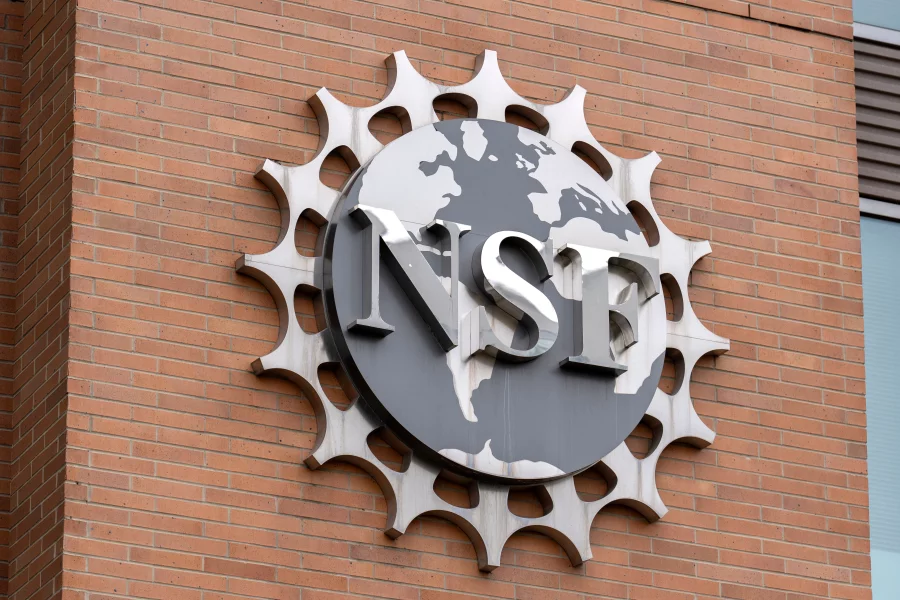
The NSF, which is headquartered in Alexandria, Virginia, has long been a cornerstone of the United States’ research and development efforts, funding critical scientific projects and advancing innovation. The NSB, as an independent body, helps ensure that the foundation operates in a fair and scientifically-driven manner. Its dismissal has prompted alarm, with many fearing the long-term consequences for the future of scientific research in the country.
Reactions from the Scientific Community
Many prominent figures in the scientific community have expressed their outrage over the firing. They argue that removing the board undermines the integrity of the NSF and could hinder the progress of scientific discovery in the U.S. The abrupt action has been described as a politically motivated attack on science, particularly at a time when research into climate change, healthcare, and technology is more important than ever.
Scientists have been vocal in criticizing the White House’s actions, calling it a direct assault on the scientific independence that the National Science Board was meant to protect. Experts fear that this sudden shake-up could lead to a political interference in the way scientific research is conducted, potentially limiting the scope of vital studies and research efforts.
A Broader Debate on Science and Politics
The firing has also ignited a broader conversation about the relationship between politics and science. Critics argue that political pressures are increasingly influencing science policy in the U.S., with research priorities shifting according to political needs rather than scientific merit. The independence of science institutions like the NSF has always been viewed as essential for the pursuit of unbiased, evidence-based research.
Despite the backlash, the White House has not yet provided a clear justification for the firing. Some analysts speculate that the move was aimed at further consolidating political control over science-related funding and policy decisions, a trend that has been observed throughout Trump’s time in office.
Impact on Future Research
The impact of this decision could have far-reaching consequences for future research initiatives. The NSF is responsible for funding essential research projects across a wide range of fields, from climate science to medical research. Experts worry that political interference in the decision-making process could slow down critical research into pressing global issues.
The firing of the National Science Board could also damage the international reputation of American science, particularly in light of the growing global collaboration in fields such as climate change and medical innovation. With the current political climate raising doubts about the country’s commitment to scientific progress, there are concerns that American researchers may be increasingly marginalized on the global stage.