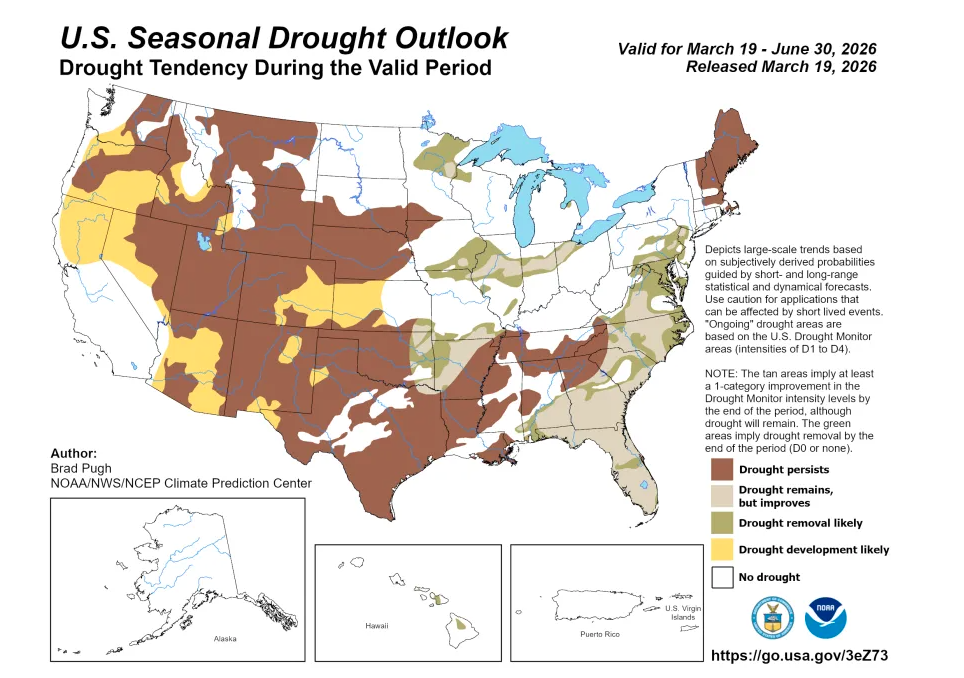
Drought conditions are expected to worsen across the West due to a challenging winter and spring, which brought lower-than-usual rainfall and higher-than-normal temperatures to many areas in the region. Summit Daily
After several days of snowfall, the mountains of Summit County in Colorado are expected to receive more precipitation as another snow system moves in. Between Saturday, April 25, and Tuesday, April 28, Summit County saw up to 5 inches of snow on its peaks. Forecasters predict that more precipitation, in the form of both snow and rain, will hit before the weekend, with continued wet weather into next week.
Dry Conditions Continue to Plague Colorado
Despite the recent snowfall, Colorado’s weather this year has been inconsistent, with months of below-normal snowfall and above-normal temperatures. This has worsened drought conditions, particularly in Summit County and the surrounding mountain areas. Much of northwestern Colorado is now facing “exceptional” drought conditions, the most severe level on the U.S. Drought Monitor.
The National Weather Service forecasts that Summit County towns will receive about an inch of precipitation each night from Wednesday to Friday. A brief break is expected after this, but rain chances will return from Sunday through at least Tuesday, with thunder and lightning possible. Snowfall could be heavier on Thursday and Friday, with totals reaching up to 4 inches on both days.
Impact on Ski Resorts
Colorado's last two ski areas, Copper Mountain Resort and Arapahoe Basin Ski Area, are set to receive up to 9 inches of snow before they close for the season on Sunday, May 3. This snow is a welcome sight for skiers but does little to alleviate the ongoing drought.
Weather Changes on the Horizon
Temperatures are expected to fluctuate throughout the week, with lows in the mid-20s continuing through the weekend. However, by the start of next week, lows will rise to around 32 degrees, and daytime highs will climb from the high-40s to the high-50s. This warming trend is part of a broader shift in weather patterns across the region.
Long-Term Forecasts and Drought Concerns
Looking ahead, long-range weather forecasts suggest that above-normal precipitation may occur in some regions, with temperatures expected to be near normal for the upcoming month. However, the National Oceanic and Atmospheric Administration (NOAA) warns that the drought conditions across the West are likely to persist and may even worsen in parts of the Pacific Northwest, Great Basin, central Rockies, and Southwest. The country is transitioning from La Nina to ENSO-neutral conditions, which means that neither El Nino nor La Nina is expected to dominate in the coming months.