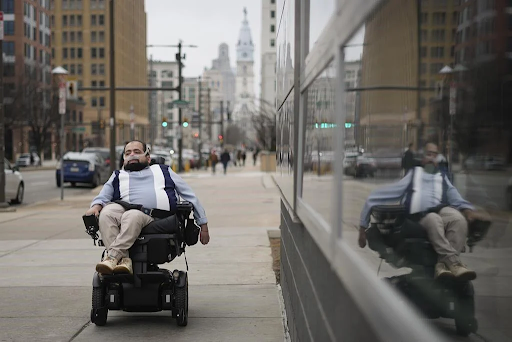
Temple University doctoral student Jaggar DeMarco, with chronic respiratory failure, expresses frustration over insurance and bureaucracy, seen here in Philadelphia on March 6, 2024, utilizing a battery-powered ventilator. (AP Photo/Matt Rourke)
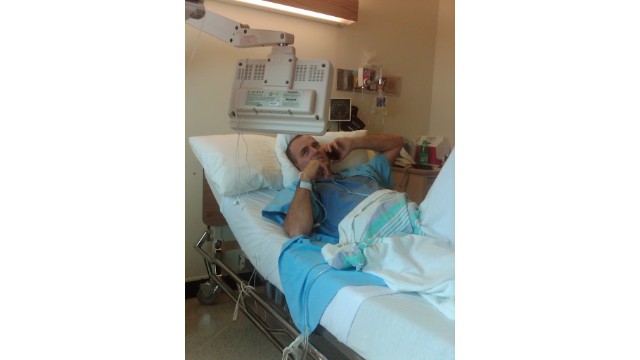
Grace Armant, an 84-year-old woman afflicted with Lou Gehrig’s disease, communicates through a device due to her loss of speech. She asserts that UnitedHealthcare has repeatedly denied her doctor's requests for coverage of a vital breathing apparatus, essential for her condition. Armant's struggle reflects a broader issue affecting patients across the U.S. who require specialized home ventilators as their lung function declines.
Physicians nationwide report increasing obstacles in obtaining coverage for home ventilators from insurers like UnitedHealthcare. Patients often confront hurdles, such as experimenting with less effective alternatives before insurers authorize coverage for the necessary device. Furthermore, insurers sometimes refuse coverage for a second machine needed for mobility transitions, complicating patients' lives.
The surge in prescribed ventilators has drawn scrutiny from insurers. Medicare spending on ventilators skyrocketed from $3 million to nearly $269 million between 2009 and 2017, according to the U.S. Department of Health and Human Services Office of Inspector General. As a result, insurers have tightened their criteria for coverage.
These home ventilators, known as "noninvasive" ventilators, aid continuous breathing by delivering air into the lungs, primarily through a mask. They are distinct from hospital ventilators that necessitate tracheal surgery. Despite their importance, insurance rejections for these devices have surged, particularly for patients with Lou Gehrig’s disease or advanced chronic obstructive pulmonary disease.
UnitedHealthcare maintains that it covers ventilators based on various factors, including the patient's condition and health plan terms. However, physicians criticize the insurer's stringent guidelines, noting that even severely ill patients face coverage denials.
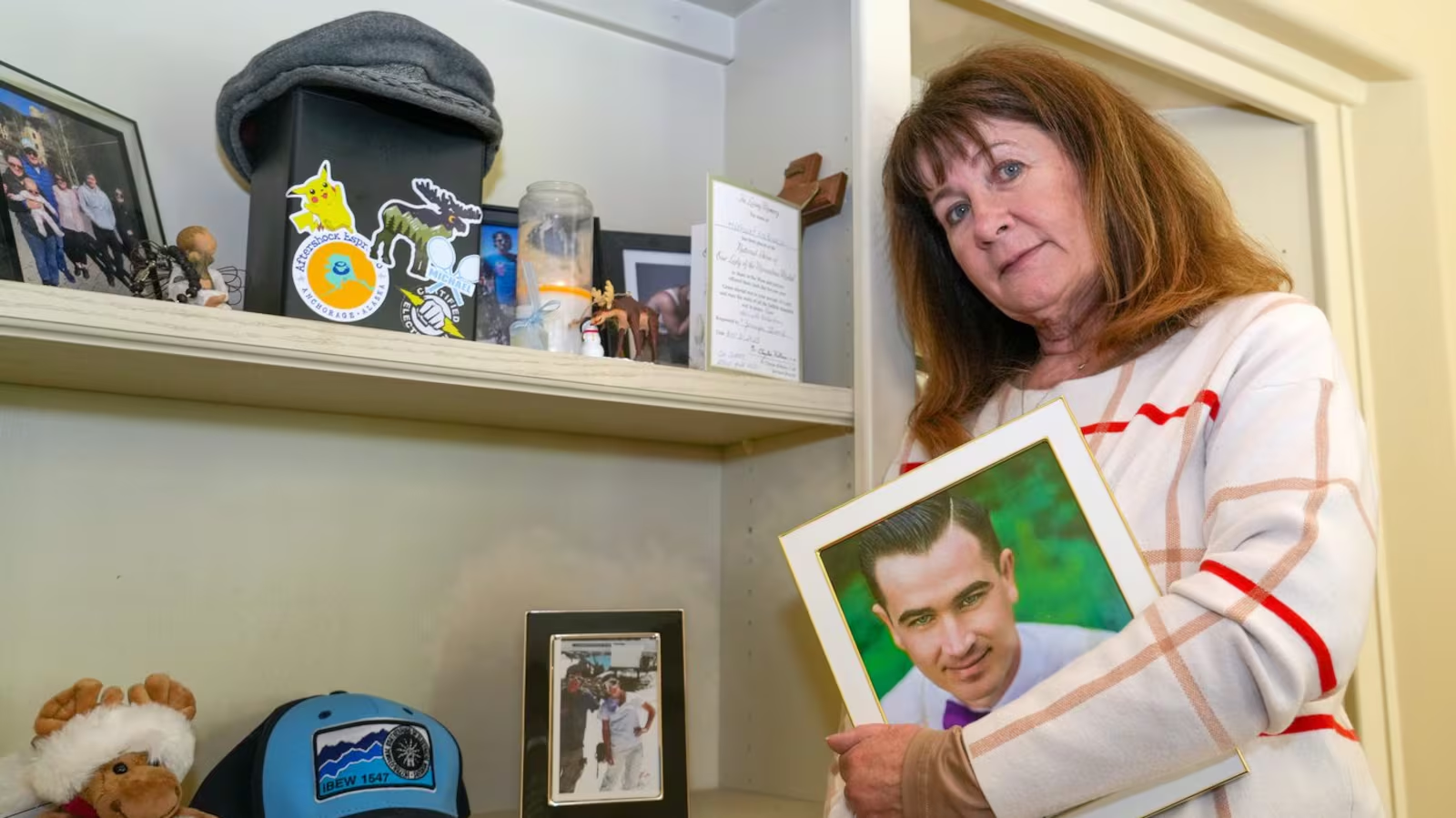
Patients and their families endure protracted battles to secure coverage. Dale Harper's struggle to obtain a ventilator for his son Jacob, afflicted with a severe form of ALS, exemplifies this challenge. Similarly, Grace Armant's family has encountered significant hurdles in securing ventilator coverage, prompting consideration of hospice care, despite its limitations.
Ventilator coverage issues extend beyond UnitedHealthcare to other insurers like Aetna. Patients like Jaggar DeMarco face multiple denials before securing essential equipment, often through employer intervention.
The need for a second ventilator for daytime wheelchair use complicates matters further. Insurers often reject coverage for this necessity, leaving patients vulnerable to errors in machine adjustment when transitioning between bed and wheelchair.
Insurers attribute coverage denials to evolving technology, increased ventilator usage, and expanded patient populations. This trend, observed by medical professionals, underscores insurers' reaction to the changing landscape of ventilator use.
For ALS patients lacking ventilator access, limited alternatives exist, including less effective devices, hospice care, or invasive procedures like tracheostomies. Without adequate coverage, patients risk frequent hospitalizations or premature death due to respiratory failure.
The plight of patients like Grace Armant and Jaggar DeMarco underscores the critical need for insurance reforms to ensure timely access to life-sustaining equipment, without which patients face severe health risks and diminished quality of life.