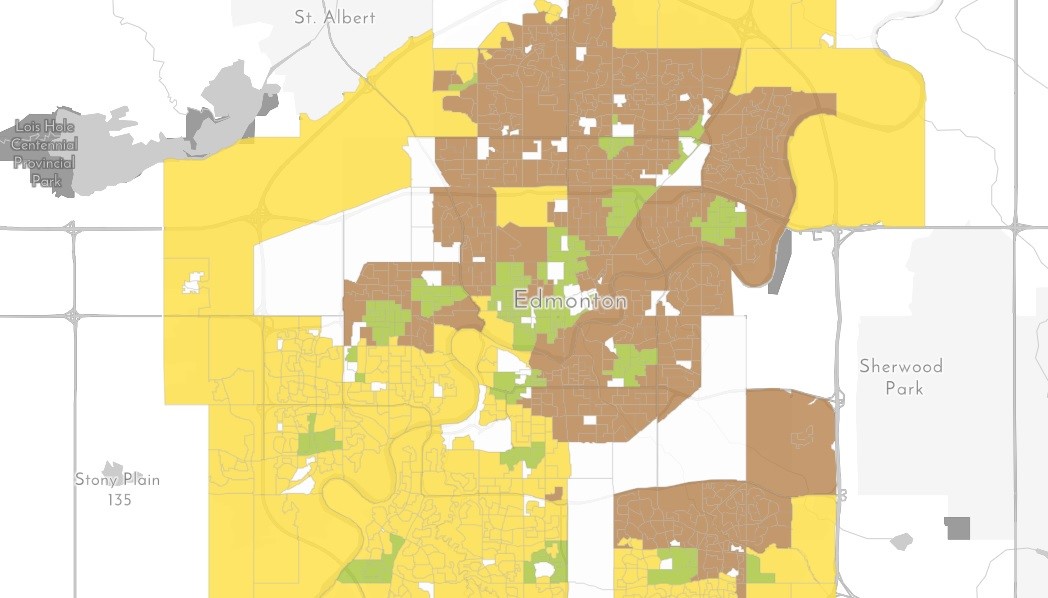
University of Alberta health climate change maps. Courtesy: University of Alberta
A research team at the University of Alberta is embarking on a project to create maps illustrating the health consequences of climate change across various regions. Led by Sammy Lowe, head of the Climate, Health, and Environment Epidemiology Research lab (CHEER), the initiative aims to shed light on the diverse impacts of climate hazards on public health.
Climate change, a complex and daunting challenge, often appears insurmountable. However, Lowe emphasizes the importance of addressing its health impacts, pointing out that actionable steps can be taken today to mitigate these effects.
The project focuses on assessing how different areas are susceptible to chronic health conditions exacerbated by climate-related hazards. These conditions include respiratory illnesses, mental health issues, cardiovascular disease, and dementia. Lowe notes that factors such as socioeconomic status and age can heighten or reduce vulnerability to these health risks.
The research also considers the demographic makeup of different regions and evaluates available resources that can help alleviate the adverse impacts of climate change on health.
The team categorizes the collected data into three main domains: exposure, sensitivity, and adaptation. The exposure domain encompasses factors such as air pollutants, temperature variations, precipitation levels, and icy conditions. Sensitivity factors, on the other hand, include variables like housing access, income levels, and age distribution. Finally, the adaptation domain evaluates the capacity of communities to mitigate negative health impacts, considering aspects such as access to green spaces, air conditioning, health clinics, and community services.
A preliminary map of Edmonton has already been developed as part of the project. It reveals disparities in exposure to environmental hazards across different areas of the city. For instance, residents in the western and southern parts of Edmonton experience higher levels of smog and air pollution compared to those living closer to the river or downtown.
The research team emphasizes that the health impacts of climate change vary dynamically across urban and rural areas. While rural regions may boast ample green spaces, access to health services and mitigation resources is often limited. By highlighting these disparities, the project aims to inform targeted interventions tailored to the specific needs of different communities.
All data utilized in creating these maps is publicly available and sourced from provincial and national environmental labs, meteorological records, and the Canadian census. The team hopes that the insights gleaned from these maps will inform policy decisions at various levels of government and inspire proactive measures by industries, community groups, and individuals.
Despite the challenges posed by climate change, Lowe remains optimistic about the potential for positive change. He emphasizes the importance of grassroots actions and community-level initiatives in addressing the health impacts of climate change and underscores the significance of collective efforts in safeguarding public health.