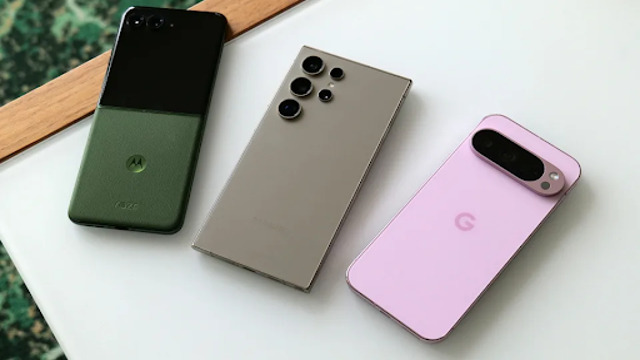
In 2024, none of the leading Android phone manufacturers in the U.S.—Samsung, Google, or Motorola—included support for Qi2 wireless charging technology in their devices, as reported by Sam Rutherford.
Android phones have long been pioneers in adopting new technologies, leading the way with innovations like 4G, 5G, USB-C, and in-screen fingerprint sensors. Their history with wireless charging stretches back to the Samsung Galaxy S3 in 2012. However, 2024 has exposed a glaring shortcoming: Android manufacturers’ lacklustre adoption of the Qi2 wireless charging standard, leaving users puzzled and disappointed.
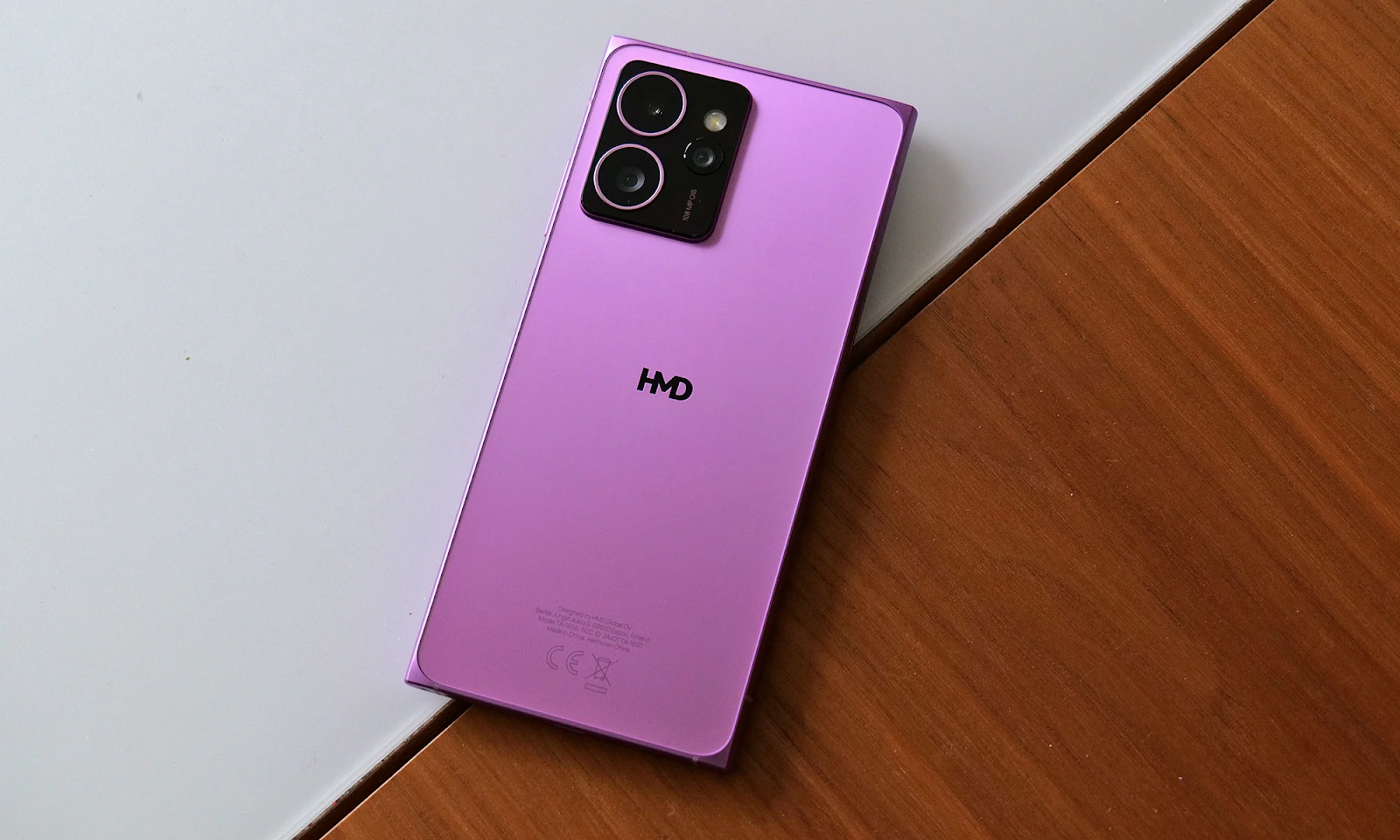
Introduced at CES 2023, Qi2 promised a host of benefits, including efficient 15-watt wireless charging, improved safety, and Magnetic Power Profiles for seamless alignment with compatible charging pads. Essentially, it aimed to bring the convenience of Apple’s MagSafe technology—renowned for its simplicity and versatility—to Android devices. Yet, nearly two years later, only one Android phone, the HMD Skyline, supports the standard.
Ironically, Apple shared the core MagSafe specifications with the Wireless Power Consortium (WPC) to foster interoperability and accelerate Qi2’s adoption. This rare collaboration should have spurred Android manufacturers to integrate the feature into their devices. With the popularity of MagSafe accessories among iPhone users, brands like Samsung, Google, and Lenovo had ample time to embrace Qi2. The first MagSafe-enabled iPhone, the iPhone 12, debuted in 2020, providing a clear road map for Android makers to follow.
Some argue that manufacturers face challenges with development cycles and accessory availability. Yet, Qi2’s compatibility with existing MagSafe products debunks concerns about limited peripherals. Renowned accessory makers like Anker have already released Qi2-compatible options, suggesting the market is ready for this upgrade.
Adding to the frustration, certain Android devices, such as the Pixel Fold and Razr Plus, unintentionally interact with Qi2 accessories due to magnets designed for other purposes. This leads to inconsistent performance, often leaving users with a subpar experience. Even third-party cases claiming Qi2 support fail to deliver the reliability users expect.
Chinese brands like Oppo have also sidestepped Qi2 in favour of proprietary technologies like AirVOOC, prioritizing speed over industry standards. Meanwhile, Samsung’s Galaxy S24 and Google’s Pixel 9 series arrived too late in their development cycles to incorporate Qi2. Yet, these delays don’t fully justify the broader hesitation among Android OEMs to adopt such a game-changing feature.
Six months ago, CNET questioned why Qi2 had not yet gained traction among Android phones. Now, as the year ends, the situation remains stagnant, save for the lone effort by HMD. If Android manufacturers fail to act soon, Qi2 risks becoming another promising standard abandoned before reaching its potential.