The Bank of Canada has decided to keep its main interest rate unchanged at 2.75%. Officials say they're being cautious because there’s still a lot of uncertainty about how trade tariffs might affect the economy and push prices up.
The Bank of Canada has chosen to keep its key interest rate steady at 2.75 percent for the third straight time. The decision, announced Wednesday, reflects the central bank's concern over the ongoing uncertainty in Canada’s trade relationship with the United States. With no clear resolution in sight regarding U.S. tariffs or the future of the Canada-U.S.-Mexico Agreement (CUSMA), the Bank said it would not rush into changing rates.
In its latest monetary policy update, the Bank noted that the future of the Canadian economy remains cloudy. The central concern: U.S. trade unpredictability. The uncertainty makes it difficult to predict how long tariffs could remain, how both countries will negotiate, and how Canadians — both businesses and households — might respond.
While inflation remains close to the Bank's 2 per cent target, the larger concern now lies in what could happen if trade conflicts escalate. The U.S. government has threatened to impose up to 35 per cent tariffs on Canadian goods that don’t align with CUSMA, creating even more pressure on the Canadian economy.
Ontario Premier Doug Ford reacted strongly to the Bank’s move, calling it a mistake. He argued that with so many jobs at risk, the country needed an interest rate cut to encourage economic growth. Ford urged the Bank to act before U.S. President Donald Trump's tariffs make the situation worse.
However, Bank of Canada Governor Tiff Macklem stood firm, saying that the Bank operates independently and bases its decisions on sound analysis, not politics. He emphasized that while trade tensions may increase prices, the Bank is focused on preventing inflation from spiraling out of control.
Three Possible Futures
Instead of presenting a single economic forecast, the Bank presented three different scenarios:
- Current Tariff Situation – where things stay as they are now.
- Tariff Reduction – where tensions ease and trade flows improve.
- Tariff Escalation – where Canada loses the protections of CUSMA and faces higher tariffs.
In the third and most severe case, Canada could face a recession in late 2025. Macklem admitted these projections are built on many assumptions, but they help guide policy in a time of high uncertainty.
What It Means for Canadians
Despite the global challenges, Canada’s economy has shown some strength. Job losses in sectors directly tied to trade are being balanced by employment gains in others. However, spending by both households and businesses has slowed as many wait to see what comes next.
June’s inflation hit 1.9 percent, slightly higher than the previous month. When tax-related changes are excluded, inflation was 2.5 percent. Macklem warned that if tariffs continue or expand, the economy could shrink, consumer prices could rise, and growth could stall.
He added that while the economy will eventually bounce back, it might do so at a slower pace, especially if tariffs remain in place. "Tariffs make the economy work less efficiently," he said. "That means lower income and less spending overall."
Waiting for Clarity
Economists like Jimmy Jean of Desjardins agree that businesses are feeling the pinch. Thinner margins could soon mean higher prices for everyday goods. Jean believes the Canadian economy is still in a waiting phase — watching how the tariff story unfolds and what that will mean for prices and interest rates.
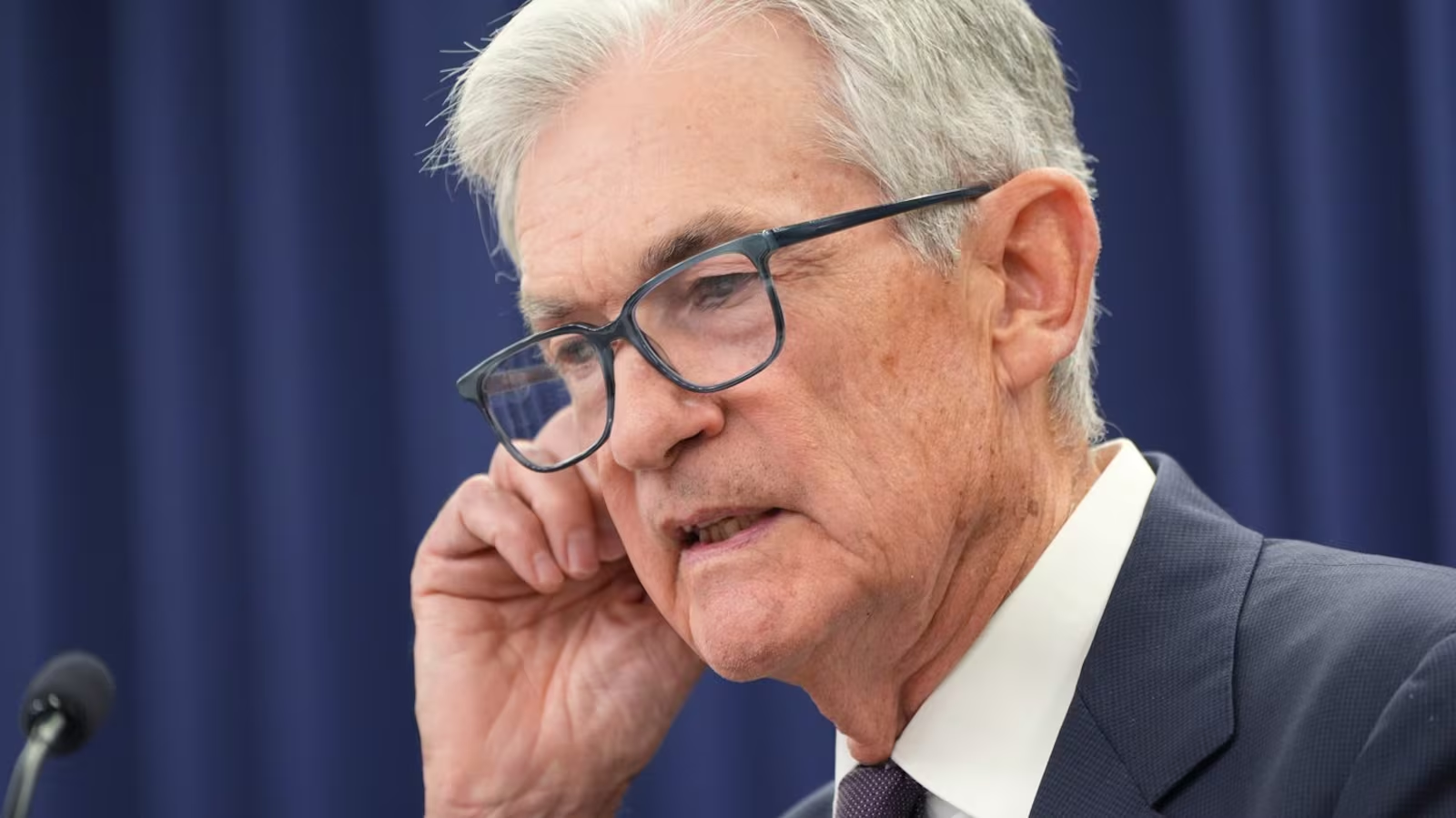
Across the border, the U.S. Federal Reserve also left its interest rate unchanged at 4.3 per cent on Wednesday, resisting calls from Trump for deeper cuts.
Canada’s next update on interest rates is scheduled for September 17. Until then, all eyes will be on trade talks and tariff threats, as Canadians brace for what could be a rocky economic road ahead.