Picture Credit : Google
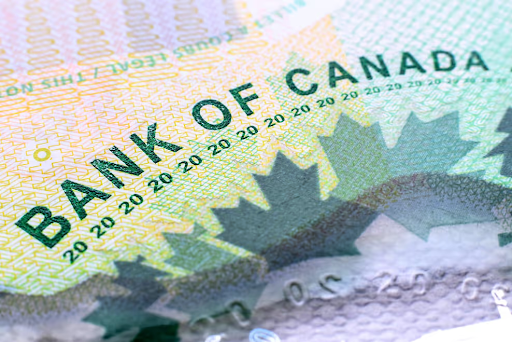
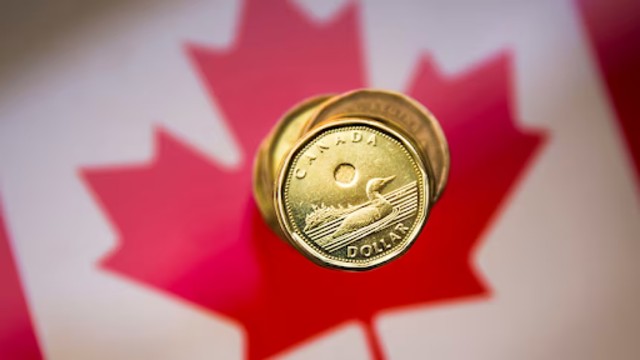
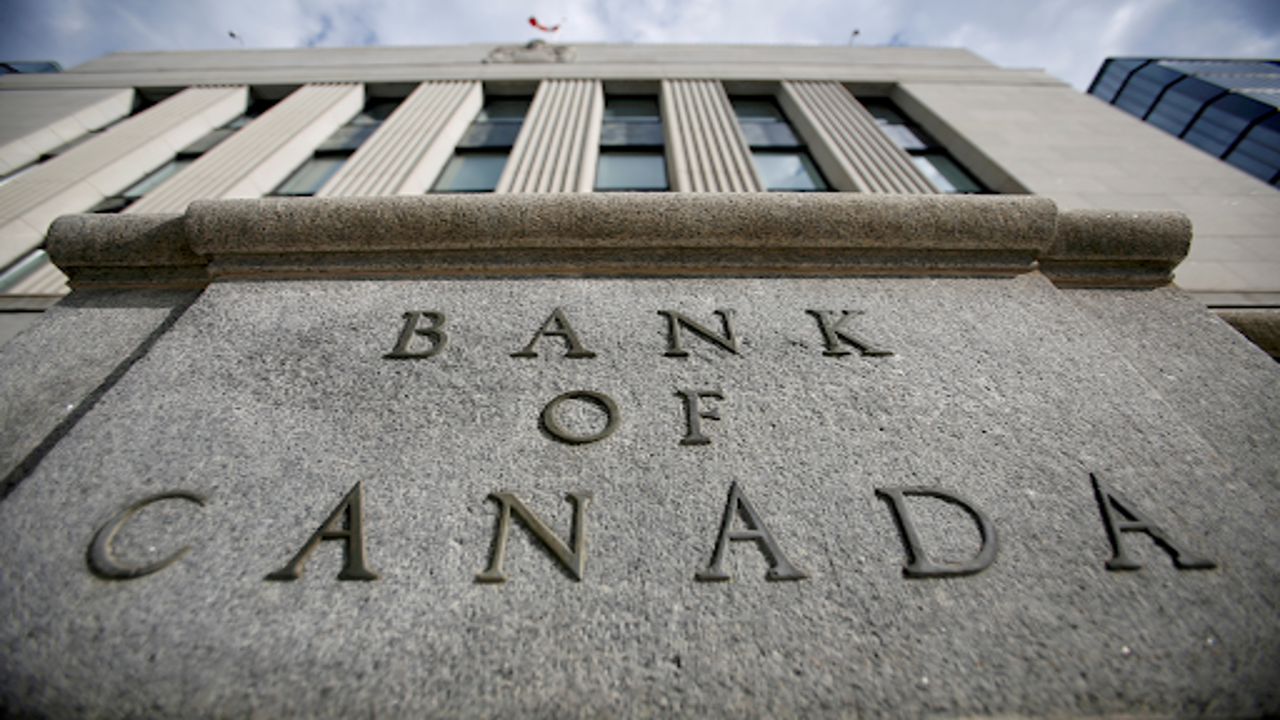
Economists and financial analysts are increasingly leaning towards predicting interest rate cuts by the Bank of Canada following another report indicating a softening of inflationary pressures.
According to Statistics Canada, the annual inflation rate dipped to 2.7% in April. This decline was primarily driven by a slowdown in the rate of inflation for groceries, which counteracted the rise in fuel prices.
Specifically, the inflation rate for groceries purchased from stores decreased to 1.4% annually in April, down from 1.9% in March. Statistics Canada reported that slowdowns in the annual price growth of meat, non-alcoholic beverages, bakery and cereal products contributed to the overall decline in the inflation rate. Additionally, prices for fruits, nuts, and seafood products saw annual decreases.
Looking at a broader perspective, Statistics Canada highlighted that grocery store prices had surged by 21.4% since April 2021.
Moreover, prices for household furnishings, clothing, and footwear experienced year-over-year declines, further contributing to the moderation of inflationary pressures. However, gas prices exhibited a faster annual growth rate, with consumers paying 7.9% more month-to-month in April. Factors such as higher global oil prices, gas stations switching to more expensive summer blends, and an increase in the federal carbon levy contributed to this rise, according to Statistics Canada.
The escalating costs of rent and mortgage renewals also continued to exert upward pressure on shelter inflation. In April, renters in Alberta faced significant challenges, with rent prices surging by 16.2% year-over-year, nearly double the national hike of 8.2%.
While the inflation rate rose on a month-to-month basis in April, it slowed compared to the same period last year, resulting in an overall slowdown from 2.9% in March.
Randall Bartlett, senior director of Canadian economics at Desjardins, noted that there is a general trend of inflation moving in the right direction. He highlighted that although shelter remains a significant factor and gas prices are contributing to consumer price index pressures, there is broad-based deceleration in inflation.
The recent report marks the fourth consecutive subdued reading for the annual inflation index, according to BMO chief economist Doug Porter. He emphasized that this report is the final one the Bank of Canada will receive on price pressures before its next interest rate decision on June 5.
All of the central bank’s preferred metrics of “core” inflation also cooled below three per cent in April, according to Statistics Canada’s report. This has led to speculation among economists that a rate cut could be on the horizon.
Andrew Grantham, senior economist at CIBC, suggested that the Bank of Canada may be inclined to commence rate cuts in June given the recent data. However, Leslie Preston, managing director and senior economist at TD Bank, believes that the central bank may opt for a more cautious approach, leaning towards a rate cut in July instead of June.
Market reactions to the data release indicate an increased likelihood of a June rate cut, with bets rising to almost 55% from 39% earlier, according to Reuters.
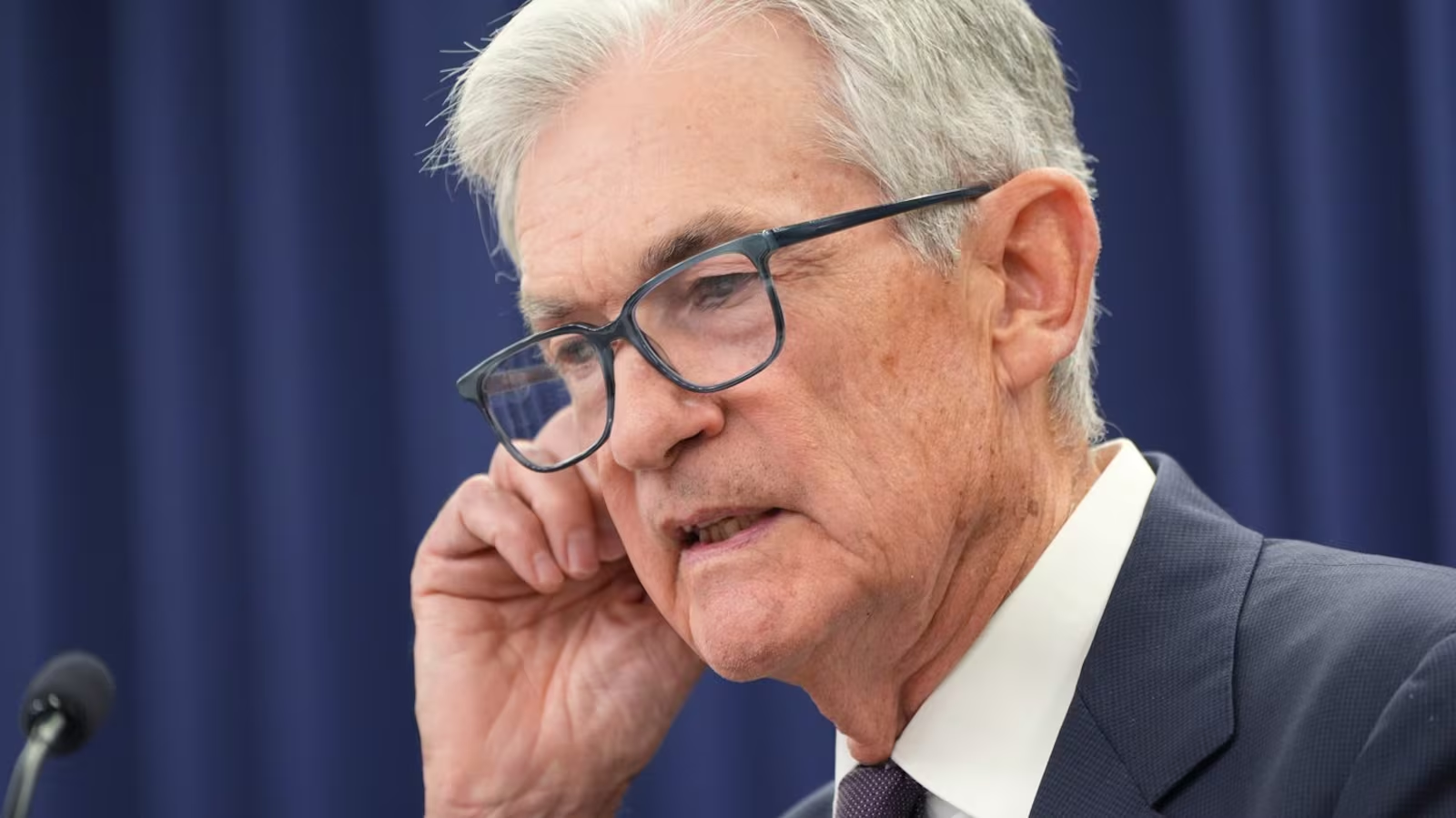
Regardless of whether the rate cut occurs in June or July, Bartlett expects the pace of easing to be gradual, with future rate decisions depending on short-term data indicating disinflationary trends in the economy. The Bank of Canada will also closely monitor the pace of interest rate cuts by the U.S. Federal Reserve to ensure alignment between the two central banks.
The ongoing debate about inflation in Parliament reflects the significance of this economic indicator. Finance Minister Chrystia Freeland hailed the April report as positive news for Canadians, emphasizing that wage growth has outpaced inflation for over a year. Conversely, Conservative Leader Pierre Poilievre criticized the Liberals for failing to address inflation, calling for immediate tax relief on gas and diesel.
Ultimately, the Bank of Canada remains committed to its mandate of keeping inflation within the target range of one to three per cent. Governor Tiff Macklem has indicated that the central bank will use its monetary policy tools to ensure inflation returns to the midpoint of this range, emphasizing the bank's commitment to maintaining price stability.