New CPR Rules Urge Rescue Breaths for Infants and Young Children
The Heart and Stroke Foundation of Canada has released new national CPR guidelines, placing stronger emphasis on performing rescue breaths for children and infants during cardiac emergencies.
The updated Canadian Guidelines for Cardiopulmonary Resuscitation (CPR) and Emergency Cardiovascular Care (ECC) were published Wednesday as part of the organization’s regular five-year review. These guidelines form the foundation for CPR training and resuscitation programs across the country.
Why Rescue Breaths Matter for Kids
Experts say that children’s medical needs during cardiac arrest are different from adults’.
“Children are not just small adults — their physiology and causes of cardiac arrest differ significantly,” said Dr. Farhan Bhanji, a McGill University pediatrics professor and one of the contributors to the guidelines.
He explained that while adults often experience cardiac arrest due to heart conditions, children’s cardiac arrests usually result from breathing problems. For that reason, giving rescue breaths can be critical to improving survival rates.
“Oxygen delivery through breaths is essential to improving outcomes,” Bhanji said.
Cardiac Arrest in Canada
According to the Heart and Stroke Foundation, about 60,000 cardiac arrests happen outside of hospitals every year in Canada — roughly one every nine minutes.
Unfortunately, fewer than one in ten people survive such incidents. However, performing CPR right away and using an automated external defibrillator (AED) can double the chances of survival.
The organization hopes the new guidelines will encourage more Canadians to learn CPR and respond quickly in emergencies.
Key Changes in the 2025 Guidelines
The updated recommendations include several major changes designed to make CPR more effective and accessible:
- Encouraging CPR training for children as young as 12 years old.
- Instructing 911 operators to provide step-by-step guidance for giving rescue breaths to children and infants.
- Expanding access to naloxone kits in public places to help counter opioid-related emergencies.
- Training everyday people, or “lay rescuers,” to respond confidently to opioid-related cardiac arrests.
These updates highlight the growing need for widespread CPR knowledge, particularly in schools, workplaces, and community spaces.
What to Do in an Emergency
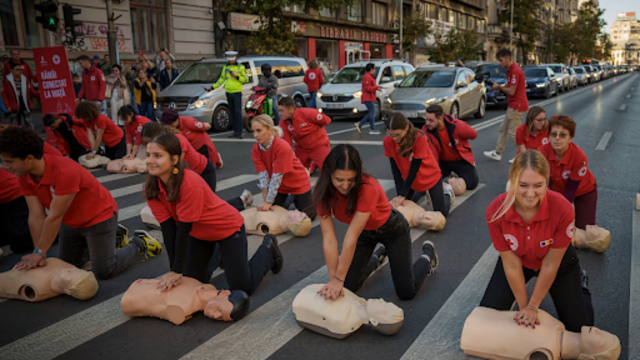
Anyone who witnesses a cardiac arrest should act quickly. Call 911, shout for help, and ask someone to bring an AED if one is available. Start CPR immediately by pushing hard and fast on the chest and, if trained, giving rescue breaths. Use the AED as soon as possible to restore normal heart rhythm.
Raising Awareness and Saving Lives
Doug Roth, CEO of the Heart and Stroke Foundation, said the organization will continue to promote CPR training and access to life-saving tools.
“In addition to establishing and localizing the guidelines for Canada, we are raising awareness, increasing CPR skills, and funding life-saving research,” Roth said.
The updated CPR guidelines are now available on the Heart and Stroke Foundation’s website, where Canadians can also find training resources and safety information.