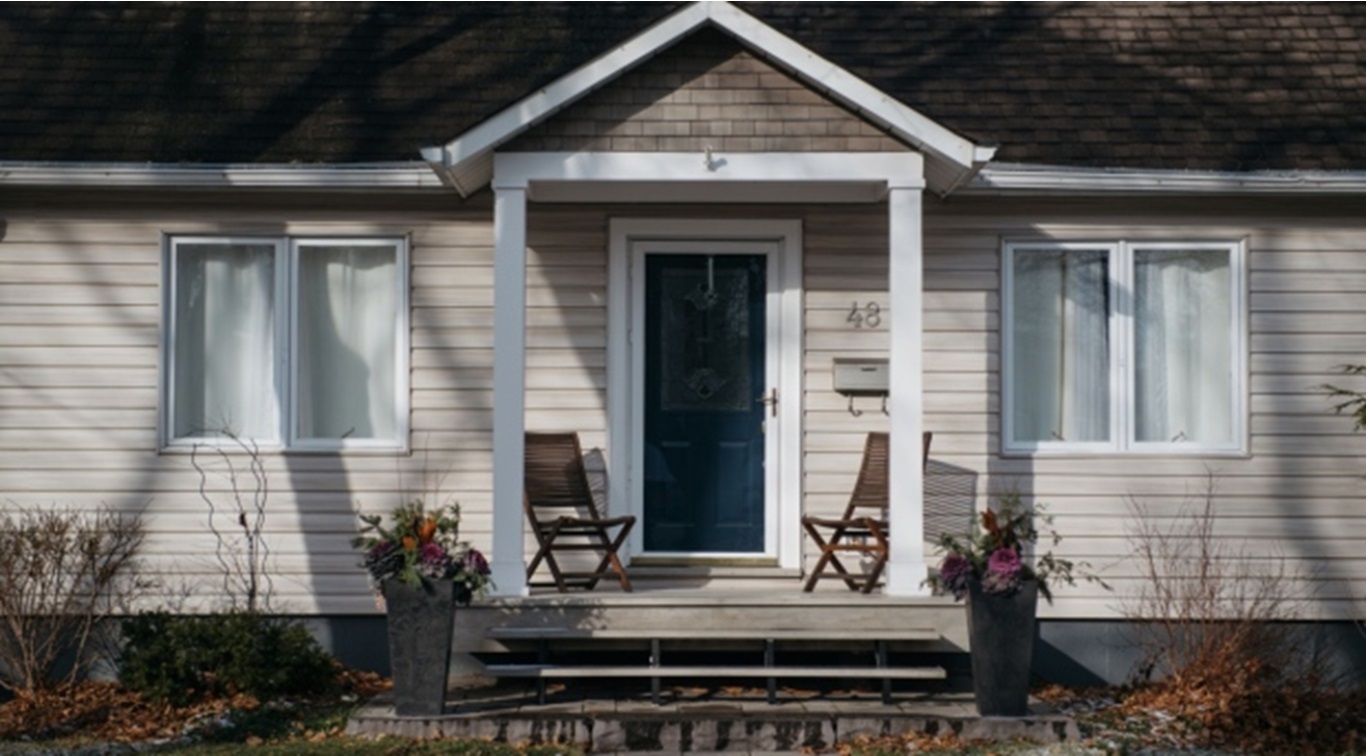
Numerous seniors utilizing their home equity to manage daily expenditures may not entirely grasp the consequences of the recent upswing in borrowing expenses on their financial resources. (BNN Bloomberg)
A recent report released by the Canada Mortgage and Housing Corporation (CMHC) has highlighted a growing trend among seniors who are opting to remain in their homes for more extended periods before considering downsizing or transitioning to rental properties.
The report sheds light on a concerning aspect: many seniors who leverage their home equity to cover day-to-day expenses might not fully comprehend the impact of the recent surge in borrowing costs on their financial reserves. As interest rates have soared by almost five percent since March 2022, Statistics Canada notes that the number of seniors borrowing against their homes has remained steady.
This situation implies that homeowners using methods like reverse mortgages and home equity lines of credit (HELOCs) are facing increased expenses not only in the amount they borrow but also in the faster accumulation of loan balances. Consequently, this leaves them with diminished resources for downsizing, renting, or leaving inheritance for their beneficiaries.
Notably, Home Equity Bank, the leading provider of reverse mortgages in Canada, has advertised five-year reverse mortgage rates exceeding ten percent based on specific terms. Comparatively, conventional mortgage rates hover between seven to eight percent. HELOCs, however, currently align with conventional mortgage rates.
Reverse mortgages, designed for homeowners aged 55 and above, permit borrowing tax-free funds up to 55 percent of the home's assessed value. Despite retaining legal ownership, repayment of the borrowed amount plus accrued interest becomes due upon property sale, transfer, or the homeowner's demise. Unlike traditional mortgages where the principal reduces over time, in reverse mortgages, it grows gradually.
On the other hand, a home equity line of credit enables homeowners to access their home equity as needed. With borrowing limits of up to 80 percent of the home's appraised value minus any outstanding mortgage debt, HELOCs often tie their interest rates to the prime lending rate. This connection makes them susceptible to fluctuations in interest rates, impacting the principal owed.
Both these borrowing methods have potential risks, particularly as rising interest rates or declining property values can hasten the erosion of home equity. Concerns have been raised by organizations such as the CMHC and other financial entities regarding the level of household debt, fearing a systemic risk in case of widespread defaults.
However, lenders stand to benefit from higher rates and increased debt levels, provided borrowers can maintain regular payments. Despite the stabilizing effect of HELOCs during economic downturns by averting credit defaults, the risks persist for leveraged homeowners facing mounting debt obligations without mandatory regular payments.
While Canadian law prohibits lenders from seizing homes, the growing debt burden could force leveraged homeowners to consider selling their properties to settle their loans as they grapple with escalating living expenses.