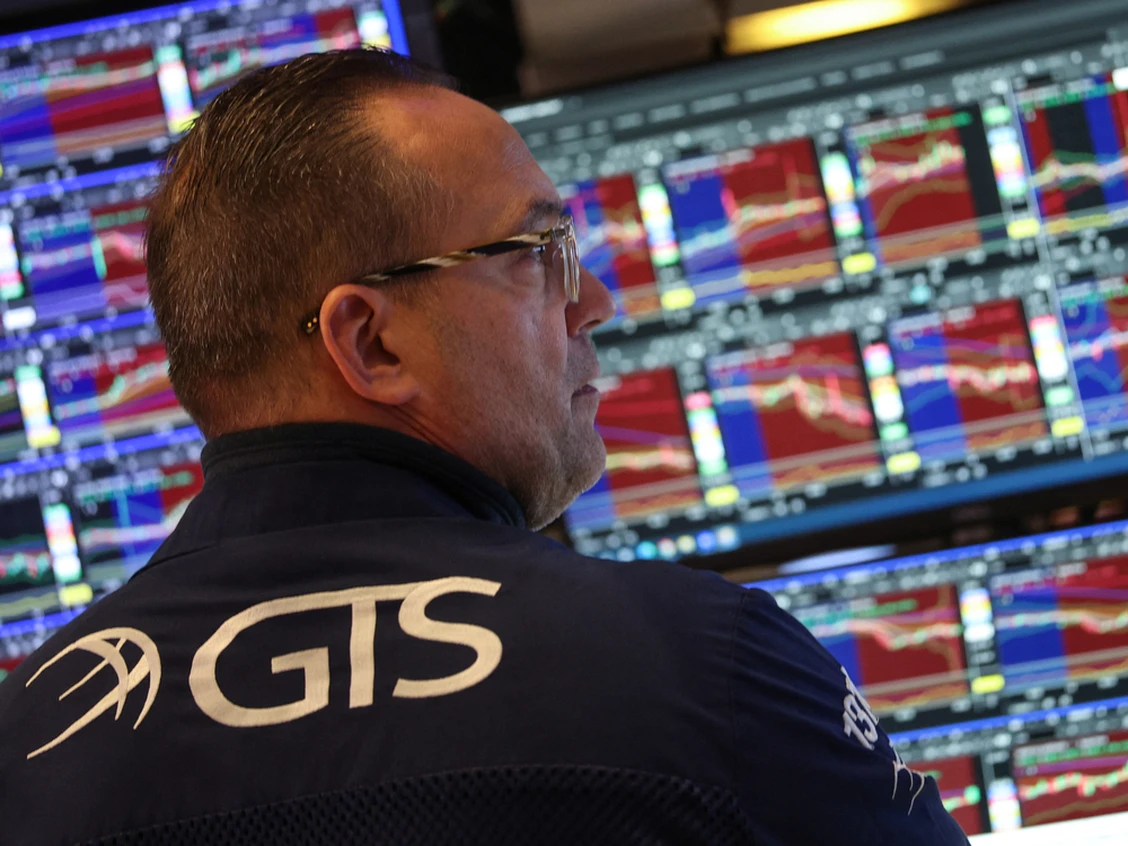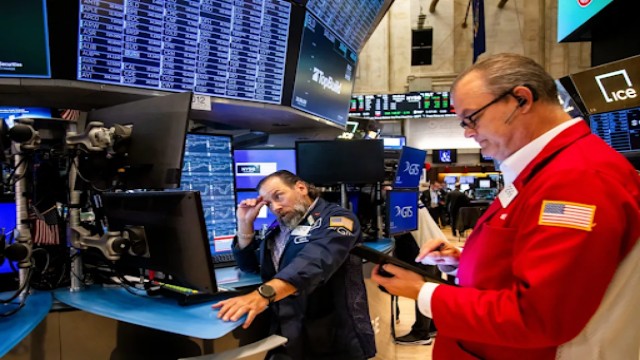
Michael Nagle captured the scene for Bloomberg, featured in Fortune.
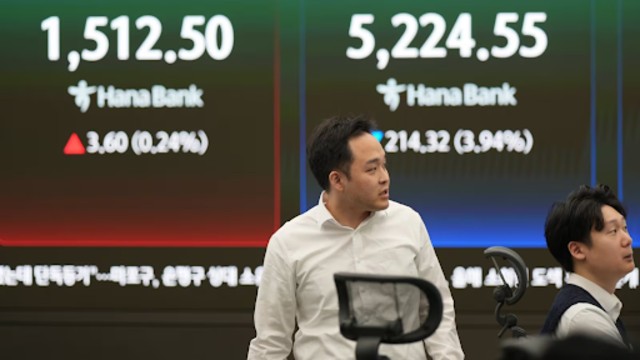
Investors braced for another wave of uncertainty Sunday night, as U.S. stock futures dropped after Trump administration officials signalled that the current tariff pause may end sooner than expected. The 90-day suspension of reciprocal tariffs, announced earlier to ease trade tensions, is set to expire this Wednesday. While many on Wall Street were hoping for a longer extension, officials made it clear that time is quickly running out.
According to key members of President Donald Trump’s economic team, the U.S. will resume its previous tariff levels — referred to as “Liberation Day” rates — on August 1 if no trade agreements are made with foreign partners. The warning signals a tight and high-pressure negotiation window for countries hoping to avoid hefty U.S. duties.
Treasury Secretary Scott Bessent emphasized that unless partners meet the U.S. at the negotiating table, tariffs will snap back to levels last seen on April 2 — the day that initially triggered a major stock market drop. That plunge only began to reverse after Trump announced the 90-day pause, giving hope to global markets.
Commerce Secretary Howard Lutnick added fuel to the anxiety, confirming that the tariffs will take effect on August 1 unless President Trump finalizes alternate trade deals. “The president is actively setting the rates and working on the deals right now,” Lutnick said.
The market's reaction to the looming deadline was swift.
- Dow Jones Industrial Average futures dipped 120 points, down 0.27%.
- S&P 500 futures fell 0.41%, while
- Nasdaq futures dropped 0.50%.
Although the decline wasn't as sharp as Friday’s losses — when Trump revealed he might set tariffs as high as 70% — the latest movement points to growing unease among investors.
Beyond stocks, other markets also responded with caution:
- 10-year Treasury yield edged down slightly by 1 basis point to 4.33%.
- Gold slipped 0.53% to $3,325.20 per ounce.
- The U.S. dollar dipped marginally, losing 0.05% against the euro and 0.03% against the yen.
Oil prices also took a hit.
- U.S. crude fell 1.72% to $65.85 per barrel.
- Brent Crude lost 0.95%, landing at $67.65, following news that OPEC+ would increase oil output more aggressively in August than in previous months.
This week offers little in terms of fresh economic data, but market watchers are eyeing the Federal Reserve's meeting minutes, due on Wednesday, for any clues about future monetary policy.
As investors try to make sense of it all, one thing is clear — with the clock ticking on tariff talks, global markets may soon face more volatility unless swift trade progress is made.