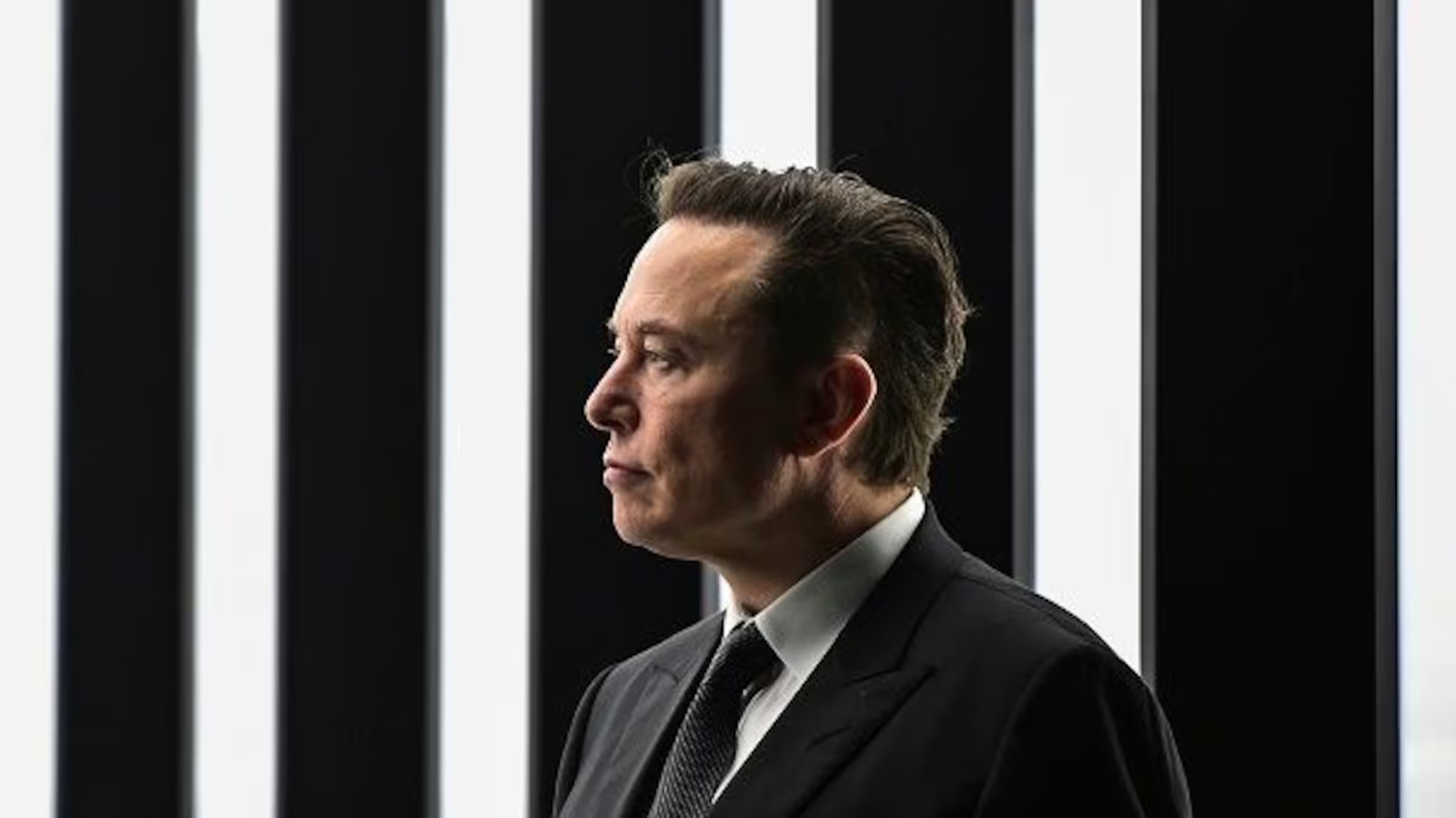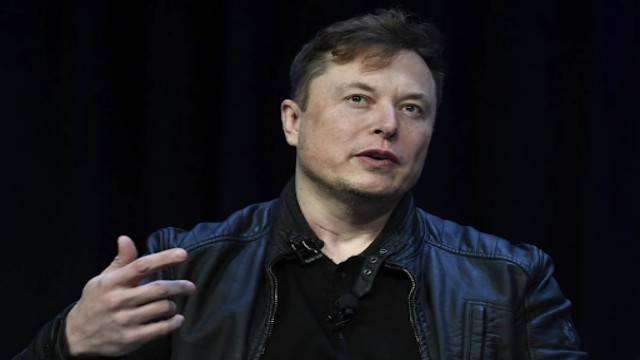
Elon Musk, the head of Tesla and SpaceX, was seen addressing the audience at the SATELLITE Conference and Exhibition held in Washington on March 9, 2020. (Photo credit: Susan Walsh, AP – File)
Elon Musk, the head of SpaceX and the world’s richest man, has stirred up space industry concerns with a bold threat: to shut down the Dragon capsule program. His warning came after former U.S. President Donald Trump suggested that government contracts awarded to Musk’s companies—SpaceX and Starlink—should be reconsidered.
Musk responded swiftly on X (formerly Twitter), saying, “SpaceX will begin decommissioning its Dragon spacecraft immediately.” While it’s unclear whether Musk truly intends to follow through, his words could have serious consequences for NASA and its space missions.
Why the Dragon Capsule Matters
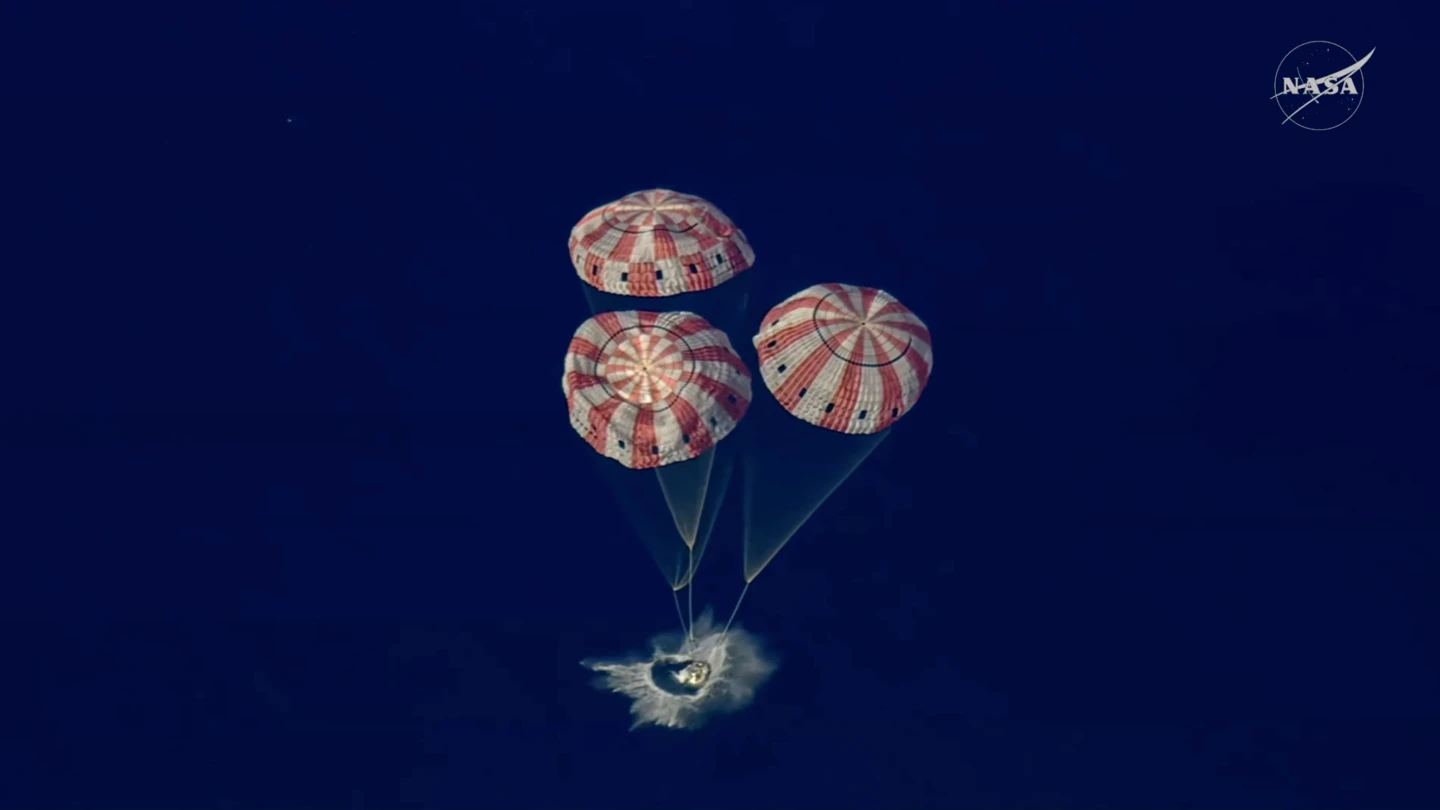
The Dragon capsule is a vital link between Earth and the International Space Station (ISS). It carries astronauts and supplies to the ISS and back, playing a key role in keeping the station running smoothly. Built with heavy support from NASA funding, the Dragon capsule is the only U.S. spacecraft currently capable of transporting astronauts to and from the station.
NASA’s backup option—Boeing’s Starliner—is far from reliable. Though it recently managed one manned flight, that mission was plagued with issues. The astronauts had to return aboard a SpaceX capsule after being stuck in orbit for over nine months. Starliner has remained grounded since, with NASA undecided on when or how to test it again.
Without Dragon, NASA’s only fallback for crew transport is the Russian Soyuz capsule, which fits just three people per trip.
NASA’s Ties to Russia May Tighten Again
If Musk truly ends the Dragon program, NASA would need to lean more heavily on Russia's Soyuz system. Currently, there’s a carefully arranged crew exchange: each U.S. launch includes one Russian astronaut, and each Russian launch carries an American. This ensures that, in emergencies, at least one crew member from both nations is always on board.
Musk’s involvement with NASA helped reduce U.S. reliance on the Soyuz, which was costing American taxpayers tens of millions per astronaut seat for years. But a complete withdrawal of the Dragon would erase those gains and bring back dependence on Russia at a time when international relations remain tense.
Dragon Does More Than Carry Astronauts
The Dragon capsule isn’t just for crewed missions. A cargo version regularly delivers food, experiments, and spare parts to the ISS. Another Dragon is also set to fly next week for a private mission organized by Houston-based Axiom Space.
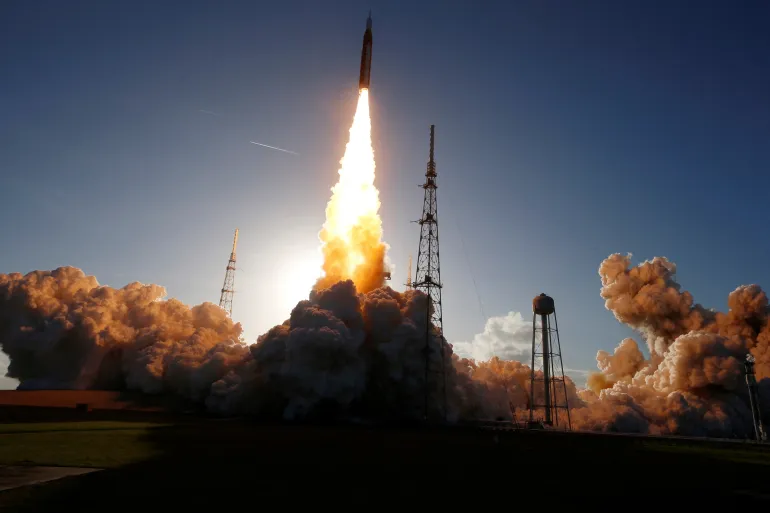
SpaceX’s broader partnership with NASA includes launching satellites, scientific equipment, and even helping plan the ISS’s eventual deorbit. Moreover, NASA has tapped SpaceX’s powerful Starship rocket to land astronauts on the Moon. That rocket just finished its ninth test flight in Texas, though it ended in failure after tumbling out of control and breaking apart.
What’s at Stake
Elon Musk’s statement—serious or not—has rattled the space community. NASA depends on SpaceX not just for rides to space, but for future exploration goals, including returning humans to the Moon. Without Dragon, the space agency’s options would shrink dramatically—and international cooperation would again become its only route to orbit.