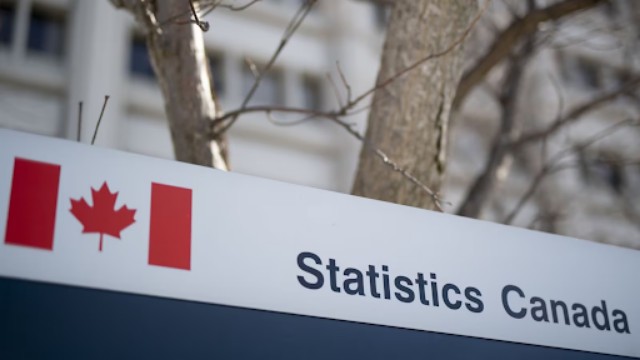
BMO believes the end of the federal government’s two-month break on sales tax led to higher inflation in February. The image shows Statistics Canada’s offices at Tunny’s Pasture in Ottawa on Friday, March 8, 2019. (Photo: Justin Tang/The Canadian Press)
Economists predict that Canada’s inflation rate likely climbed in February after the federal government’s temporary sales tax break ended mid-month. Statistics Canada is set to release the latest inflation data on Tuesday, and early projections suggest an increase from January’s 1.9% to around 2.2%.
Between December 14 and February 15, essential household goods, electronics, alcohol, and restaurant bills were exempt from federal sales tax. This policy had previously helped lower consumer costs, but its expiration is now reversing that trend.
Benjamin Reitzes, BMO’s managing director of Canadian rates and macro strategy, highlighted this “see-saw effect,” explaining that while the tax break reduced prices in December and January, its conclusion is now pushing them back up. Both BMO and TD Bank estimate a 2.2% inflation rate for February, while RBC projects an even sharper rise to 2.5%.
Economists Nathan Janzen and Carrie Freestone from RBC attribute this increase to the tax break’s expiration. However, they caution that growing international trade concerns could counteract some of this inflationary momentum, potentially leading the Bank of Canada to cut interest rates further.
Canada’s inflation data for February won’t reflect the economic impact of the escalating trade dispute with the United States, which began in early March. Still, economists warn that sustained tariffs could drive inflation even higher. TD economist Maria Solovieva noted that ongoing tariffs pose a challenge to the Bank of Canada’s efforts to stabilize inflation at 2% and could restrict the extent of future rate cuts.
Another factor affecting inflation is the weakening Canadian dollar, which has struggled against the U.S. dollar since Donald Trump’s re-election. Reitzes warned that a weaker loonie could drive up costs for imported goods, particularly fresh fruits and vegetables, which are in high demand during the winter months.
The Bank of Canada closely monitors core inflation, which excludes volatile elements like fuel and food. Reitzes anticipates a slight increase in core inflation figures for February, emphasizing that inflationary pressures may persist. However, he added that the central bank is currently more focused on the overall inflation trend rather than month-to-month fluctuations.
Last week, the Bank of Canada implemented its seventh consecutive interest rate cut but issued a strong warning about potential economic instability. The central bank will make its next interest rate decision on April 16.
Reitzes emphasized that while the February inflation figures may not drastically influence the Bank of Canada’s short-term decisions, the ongoing trade conflict remains the dominant factor shaping the country’s economic outlook. If trade tensions ease, inflation data will become more significant in shaping future rate policies. Until then, the central bank is expected to balance economic growth with inflation control, ensuring rate cuts don’t fuel further price hikes.