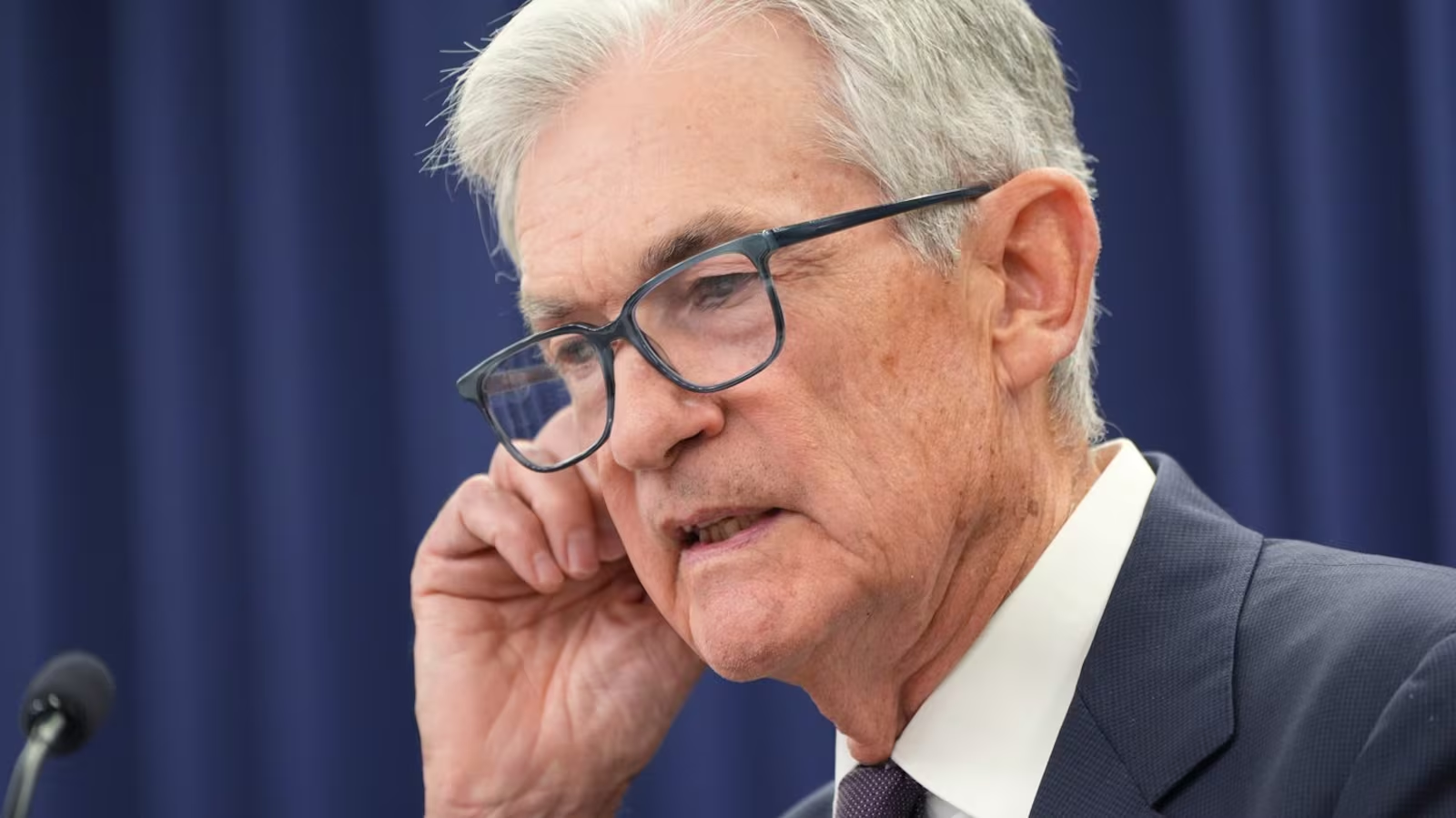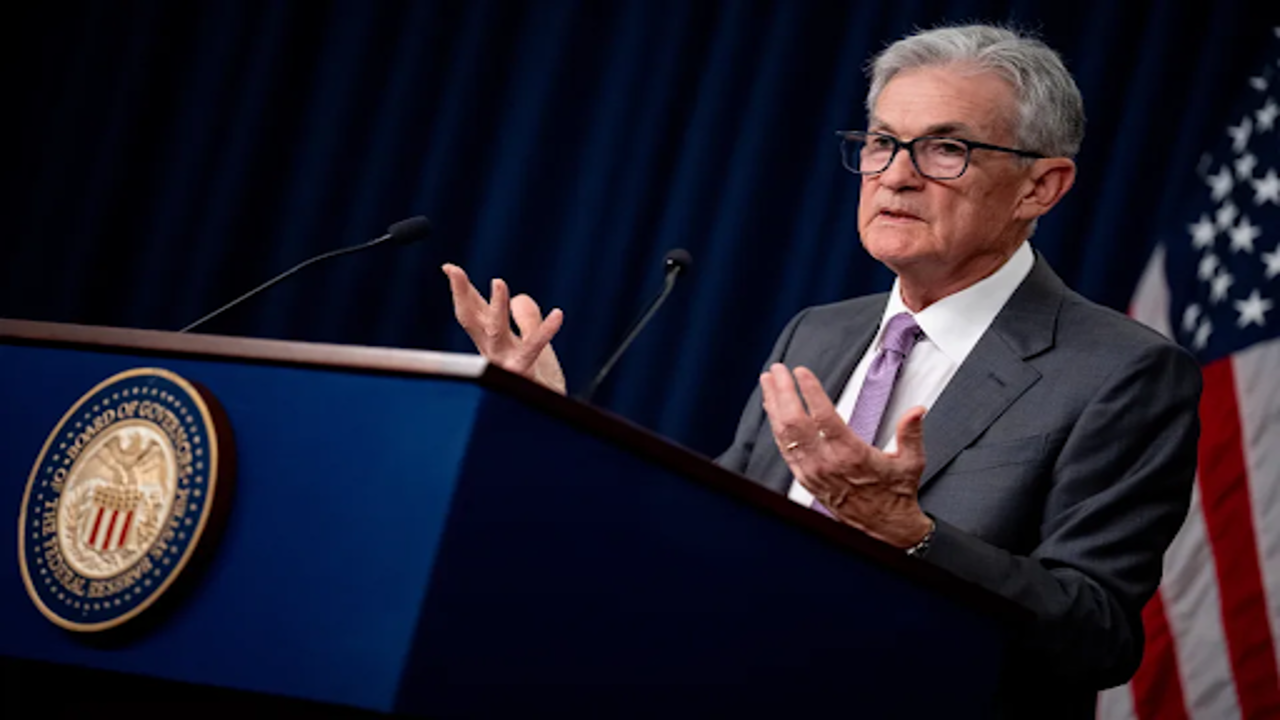
Federal Reserve Chairman Jerome Powell addressed reporters at a news conference after the Federal Open Market Committee's meeting on July 31, 2024, in Washington, D.C. The photo was taken by Andrew Harnik for Getty Images.
Following an inflation report that exceeded expectations, the Federal Reserve is facing increased pressure to reconsider the size of its anticipated interest rate cut. Investors, who initially believed a larger rate reduction was possible, are now predicting a more conservative move. The chances of a significant rate cut, like 50 basis points, have dropped to just 13% from 44% a week ago, according to the CME FedWatch Tool.
Several market experts argue that a smaller cut of 25 basis points would be more appropriate under current economic conditions. Eric Wallerstein, chief markets strategist at Yardeni Research, explained that the Federal Reserve is unlikely to make a larger cut unless a severe recession or financial crisis develops. Wallerstein emphasized that a 50 basis point cut could create unwanted instability in short-term funding markets, a risk the Fed is not keen to take.
The labour market, despite signs of slowing, hasn't weakened enough to warrant a bigger rate reduction. A more dramatic slowdown in employment would be necessary to push the Fed toward a deeper cut. A weak job market could signal a recession, which the Fed wants to avoid.
Meanwhile, inflation data released this week showed that core inflation, which excludes food and energy prices, rose by 0.3% in August—slightly above expectations. This rise in inflation is likely to prompt the Fed to take a cautious approach, sticking to the smaller 25 basis point cut at its upcoming meeting.
Michael Pearce, the deputy chief economist at Oxford Economics, noted that the inflation uptick could overshadow the Fed's focus on the labour market, making a more conservative cut the likely outcome. Some analysts even suggest that a larger cut could send a negative signal about the overall health of the U.S. economy. Jennifer Lee, a senior economist at BMO Capital Markets, mentioned that a 50 basis point cut would appear as a sign of panic, something the Fed wants to avoid.
Historically, when the Federal Reserve initiated rate cuts with 50 basis points, it was often followed by a recession, as seen in 2001 and 2007. Nicholas Colas, the co-founder of DataTrek, studied the Fed’s rate-cutting cycles and observed that starting with a 25 basis point cut usually indicated a mid-cycle adjustment, while a 50 basis point cut often signalled deeper economic trouble. Given this pattern, Colas believes the Fed will opt for a smaller cut to maintain stability.
Investors are now awaiting more clarity on the Fed’s future actions. The next key date is September 18, when the Federal Reserve will release its Summary of Economic Projections, shedding light on policymakers' expectations for future rate moves. For now, markets are pricing in 100 basis points of cuts by the end of the year.
Despite the uncertainty, Wallerstein pointed out that even if the Fed’s cuts fall short of market expectations, it might not be bad for stocks. If economic growth remains strong and consumer spending continues to rise, the stock market could benefit from steady earnings growth, giving it more room to improve.