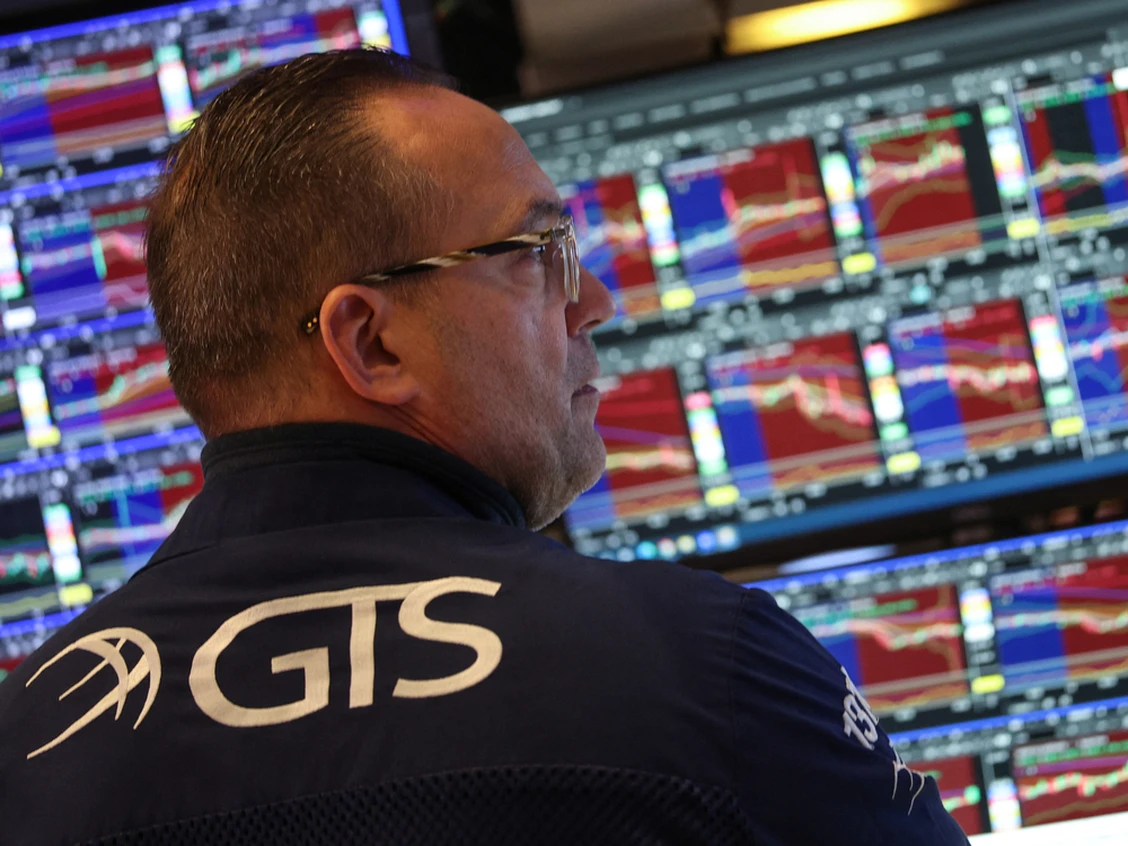
Stock market updates are displayed at the Nasdaq MarketSite in New York on Wednesday, April 9, 2025. (Photo by Michael Nagle/Bloomberg)
Just three weeks after U.S. President Donald Trump announced sweeping tariffs, the early tremors of this trade war are beginning to surface across the world economy. A fresh batch of global forecasts and business surveys is expected to highlight the initial consequences of this controversial move.
On Tuesday, the International Monetary Fund (IMF) — located just blocks away from the White House — is expected to revise its global growth outlook downward. This will be followed on Wednesday by new purchasing manager indexes (PMIS) from major economies like Japan, Europe, and the United States, offering the first real look at how manufacturing and services are responding to the new trade environment. Business confidence surveys from other economic powerhouses are also due.
These updates arrive just as global finance ministers and central bankers gather in Washington. Their mission? To assess the first signs of economic strain and figure out how to respond.
IMF Managing Director Kristalina Georgieva warned that while the new forecasts won’t predict a recession, they will reflect weaker growth and rising inflation in several countries. “Uncertainty is still high, and that poses risks to global financial stability,” she said.
History shows the IMF often underestimates damage in times of economic tension. According to Bloomberg Economics, in four major past crises, the IMF’s initial estimates missed the mark by about 0.5 percentage points. That suggests the real impact of Trump's tariffs could end up being worse than what’s currently forecast.
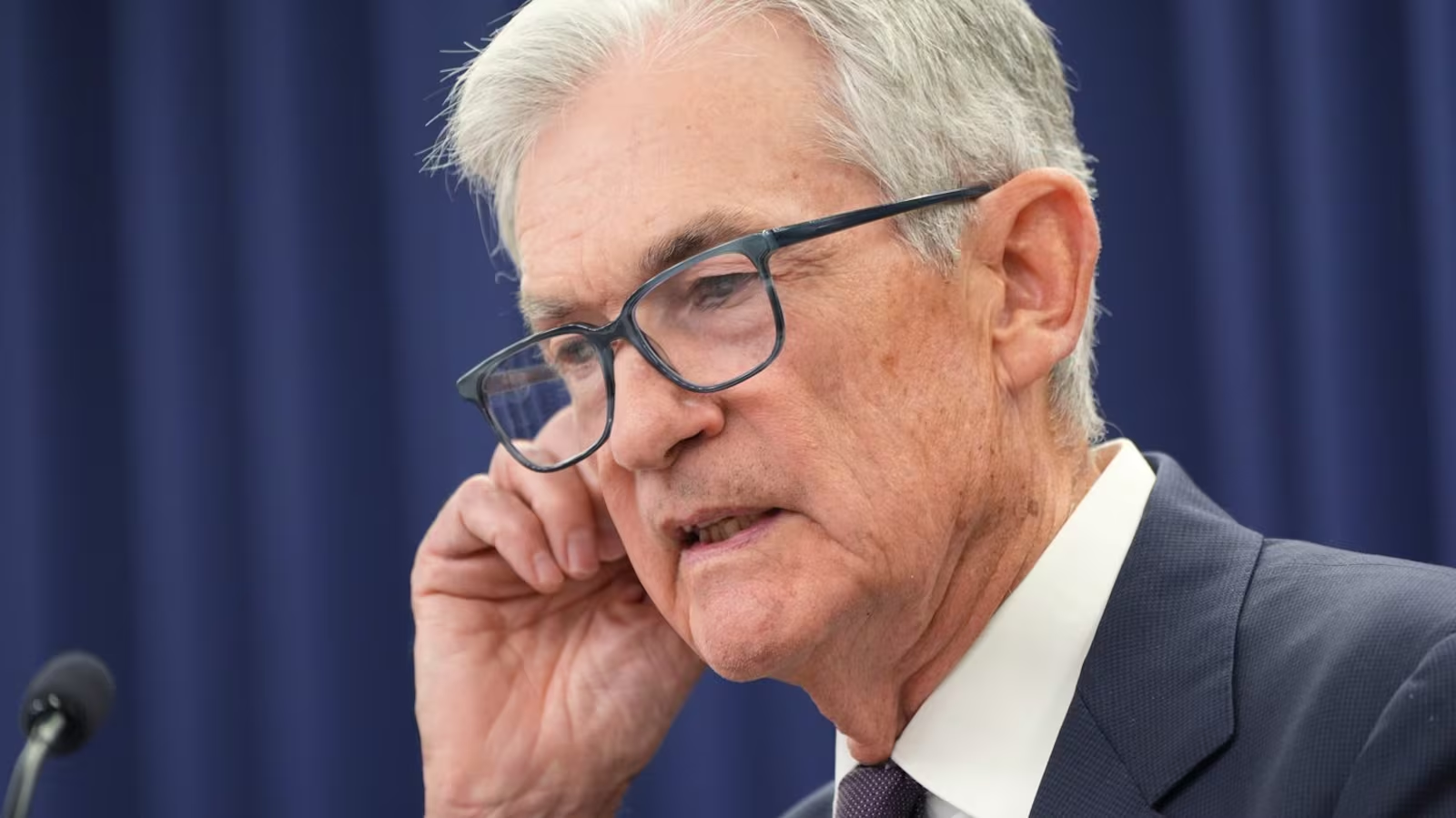
As of now, there’s no clear end in sight. U.S. Federal Reserve Chair Jerome Powell said the central bank will wait for more clarity before taking any policy actions, while European Central Bank President Christine Lagarde noted it’s too soon to tell whether global uncertainty has peaked.
Georgieva hopes this week’s G20 finance leaders' meeting can ease tensions. “We need to build a stronger, more united economy, not pull further apart,” she emphasized.
Other financial developments this week include central bank decisions in Russia and Indonesia, inflation and wage reports from Europe, and new economic snapshots from the U.S. and Canada.
In the U.S., updated consumer sentiment and inflation expectations will be released Friday. The Fed’s Beige Book on Wednesday will reveal how businesses are reacting to the current trade atmosphere. Meanwhile, housing market data and durable goods orders will help gauge economic momentum.
Canada, amid its final stretch of election campaigning, will see key retail and consumer spending data. Trade expert Steve Verheul will also speak in Toronto about Canada’s strategy for handling U.S. tariffs.
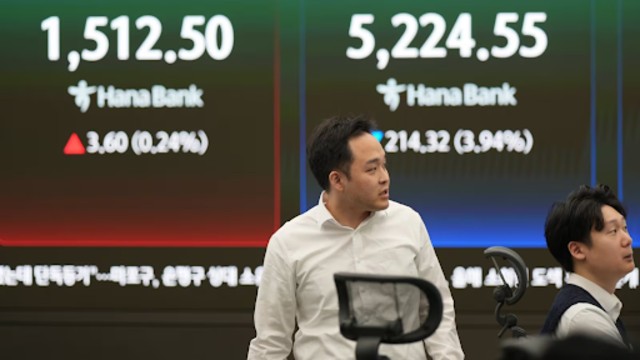
In Asia, loan and trade data from China, Indonesia, the Philippines, and New Zealand will help clarify regional economic trends. Meanwhile, Japan and South Korea are already working with the U.S. to discuss easing tariffs. South Korea’s top trade official is headed to Washington this week to push for change.
Europe will focus on consumer sentiment, wage growth, and PMIS, while Russia and Latin America brace for inflation and central bank decisions. Argentina and Colombia are showing signs of economic recovery, though Mexico teeters on the brink of a technical recession.