A new report from U.S. based Consumer Reports has identified high levels of lead in a number of market leaders for protein powder. The lead levels are most likely to cause health issues for people who consume the powders on a daily basis. CBC News
A new investigation has raised concerns over the safety of some popular protein powders and shakes after traces of lead were found in several products.
Consumer Reports, an independent U.S.-based nonprofit, tested 23 protein supplements and discovered lead levels ranging from zero to 7.7 micrograms per serving. While the results fell below U.S. Food and Drug Administration (FDA) limits for women of childbearing age, several exceeded California’s much stricter threshold of 0.5 micrograms per day.
Experts say any exposure to lead poses health risks, especially with long-term consumption.
Plant-Based Powders Show Higher Lead Levels
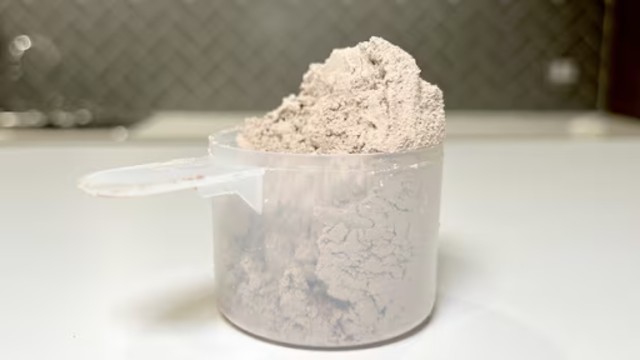
Scientists conducting the tests found that plant-based protein powders contained higher lead levels than animal-based products. The samples, bought from New York stores and online, included a mix of dairy, beef, and plant-based protein products.
“The worst products we tested had 7.7 micrograms of lead — more than the average American consumes in a day,” said investigative reporter Paris Martineau from Consumer Reports.
The findings have sparked fresh debate over how these widely consumed supplements are regulated, particularly in Canada.
“These products that Canadians buy online could contain concerning levels of lead,” warned Lawrence Goodridge, a food safety professor at the University of Guelph.

Lawrence Goodridge is a microbiologist at the University of Guelph. (Image: CBC)
A Repeated Concern
This isn’t the first time lead contamination has been found in protein powders. The Canadian Food Inspection Agency (CFIA) has been testing protein products for toxic metals like lead and cadmium since 2011.
A 2018–2019 CFIA spot check found that protein powders had the highest average lead content among tested beverages. However, Health Canada determined at the time that those levels did not pose a significant health risk.
The Hidden Danger of Lead
Health experts emphasize that no amount of lead exposure is truly safe. Even low levels can build up in the body over time, settling in tissues and bones.
“Lead can stay in the body for decades,” Goodridge explained. “The concern isn’t short-term use, but long-term exposure.”
Children and pregnant women are most at risk. In kids, lead can impair brain development and learning abilities. In adults, it may contribute to mood disorders, kidney disease, reproductive problems, and cognitive decline.
Expert Advice for Consumers
Goodridge recommends minimizing reliance on protein powders and focusing instead on whole foods to meet protein needs.
“Use protein powders occasionally, not every day,” he advised. “And anyone who’s pregnant, immunocompromised, or has young children should avoid them unless prescribed.”
He also urged consumers to choose products that have been independently tested for contaminants.
Regulatory Gaps in Canada
The CFIA oversees chemical residues in foods, while Health Canada sets maximum limits for pollutants. However, it remains unclear whether protein powders are regulated as food or natural health products — a distinction that affects testing standards.
“There are no specific federal limits for lead in protein powders or dietary supplements,” Goodridge noted. “That’s a serious regulatory gap.”
He called for Health Canada to establish clear guidelines to protect consumers as protein supplements continue to grow in popularity.
Why Plant Proteins Are More Affected
Lead is not intentionally added to foods but can enter the food chain naturally. Plants absorb it from soil or air particles, especially legumes like peas and soy. When these are concentrated into powders, the traces of lead also become more concentrated.
“Plant-based protein powders, like those made from peas or rice, are particularly vulnerable,” Goodridge said.
Product Makers Respond
Companies whose products were flagged defended their safety standards. Naked Nutrition stated that its vegan mass gainer product had a larger serving size, which may have influenced the lead readings. The company said independent third-party testing confirmed its products meet FDA safety limits.
Huel, another brand mentioned, dismissed the report as “alarmist” and said its products comply with international safety regulations. The company emphasized that its product line is not currently available in Canada.
Despite these assurances, experts say the findings highlight an urgent need for consistent standards. With consumers increasingly turning to protein supplements for fitness and wellness, transparency and testing may soon become as important as the protein content itself.