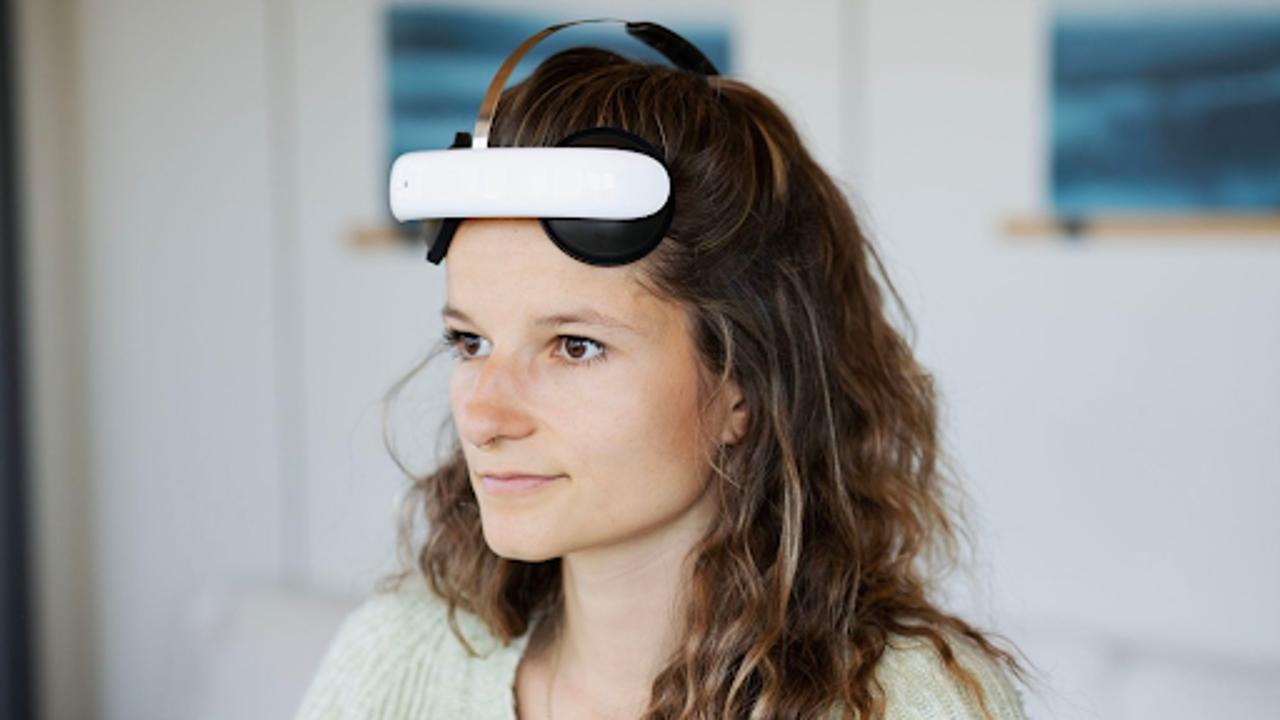
Flow Neuroscience's brain stimulation headset is now available for purchase in the U.K., Norway, Hong Kong, and various countries across the European Union. CNN
A new study suggests that a headset designed for home use could offer relief for individuals suffering from depression. This innovative device, which delivers mild electrical stimulation to the brain, was found to significantly improve symptoms in patients over a 10-week period.
Published in a respected medical journal, the study involved 174 adults who were experiencing moderate to severe depression. Participants were divided into two groups: one group used the active headset, which operates on a power similar to a 9-volt battery, while the other group wore a placebo headset that did not provide any stimulation. The results were promising, showing that those who used the active device reported a greater improvement in their mood compared to those in the placebo group.
In fact, nearly half of the participants using the functional headset—about 45%—experienced remission of their depressive symptoms, while only 22% of those in the placebo group reported similar results. Dr. Rodrigo Machado-Vieira, a psychiatrist involved in the study, explained that remission means these individuals would no longer qualify as clinically depressed, although they might still experience some related issues like sleep disturbances or anxiety.
The headset, which is made by a Swedish company called Flow Neuroscience, has already been launched in several European countries, including the UK and Norway. The company is now in the process of seeking approval from U.S. regulatory authorities to market the device for treating depression in America. Although similar devices are available in the U.S., many do not make any medical claims and focus instead on enhancing alertness and cognitive function.
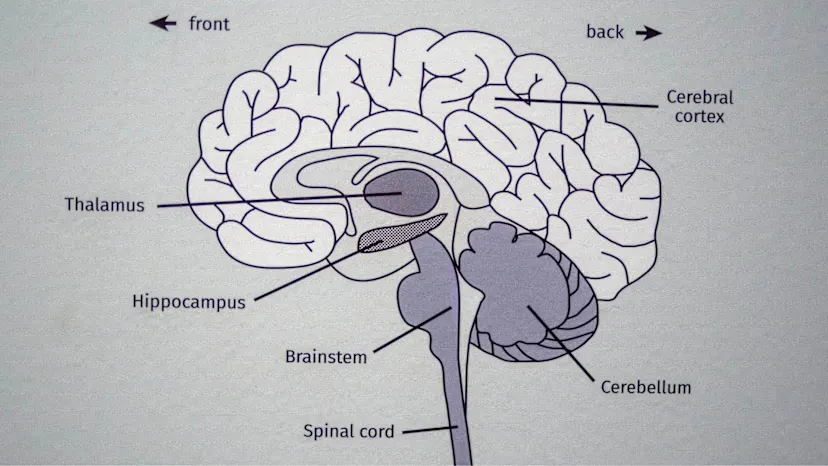
This particular headset targets two specific areas of the brain: the dorsolateral prefrontal cortex, which plays a key role in executive functions, and the ventromedial prefrontal cortex, which is critical for emotional regulation. Research indicates that people suffering from depression often exhibit reduced activity in the dorsolateral prefrontal cortex while showing increased activity in the ventromedial prefrontal cortex. The Flow Neuroscience device aims to rebalance these brain activities by stimulating areas that are underactive while calming those that are overactive.
Participants in the study reported a tingling sensation during treatment, which some likened to the feeling of having bleached hair. Leana De Hoyos, one of the study participants, shared her experience of using the device. Struggling with executive dysfunction, she often found it challenging to motivate herself to perform everyday tasks. However, after a few weeks of using the headset, she began to feel more energized and capable of managing her home. De Hoyos noticed a marked improvement in her ability to tackle household chores, such as organizing clutter, which she referred to as “doom piles.”
Dr. Cynthia Fu, the lead researcher, emphasized that the study confirms the viability of using transcranial direct current stimulation in a home setting. She expressed confidence that this technology could become a primary treatment option for depression or serve as a supplementary therapy for individuals who do not find relief through medications alone.
While the results are encouraging, the long-term effectiveness of the device remains unclear. After the initial 10-week treatment period, participants were monitored for an additional three to six months to assess their ongoing progress. Flow Neuroscience has not yet tested the device for specific types of depression, like seasonal affective disorder or postpartum depression, but it is currently approved for use in treating major depressive disorder in Europe.
The device appears to be safe overall, with no serious adverse effects reported during the clinical trials. However, certain individuals, such as pregnant women, children under 18, and those with a history of seizures or brain surgery, are advised to consult their healthcare provider before using the headset.
As the study wrapped up, De Hoyos expressed her desire for more time with the device, feeling that she was on the brink of significant improvement. The promising results from this research suggest that this innovative approach to treating depression may soon provide a valuable option for those in need.