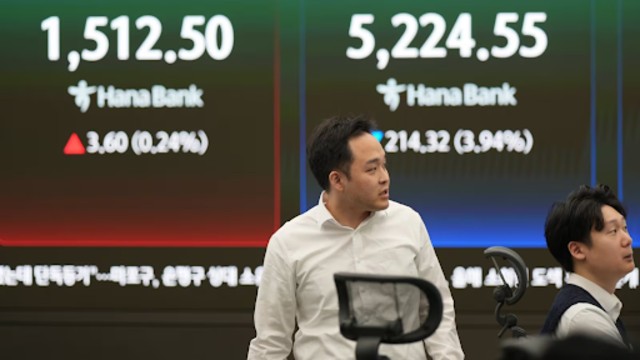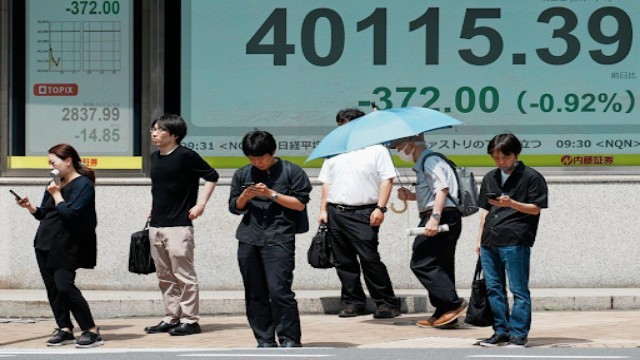
People are seen standing in front of an electronic display showing Japan’s Nikkei stock index on Tuesday, July 1, 2025, at a brokerage office in Tokyo. (AP Photo/Eugene Hoshiko)
U.S. markets ended Tuesday on a shaky note, breaking a two-day record-setting streak. While the Dow Jones Industrial Average climbed impressively, Tesla’s sharp drop and losses in tech stocks dragged down the broader S&P 500 and Nasdaq composite, leading to a split day on Wall Street.
The S&P 500 slipped 0.1%, posting its first loss in four sessions, while the Nasdaq composite fell by 0.8%, mostly due to declining tech stocks. In contrast, the Dow Jones rose by around 400 points, or roughly 1%, buoyed by gains in casino stocks and traditional automakers like General Motors and Ford.
At the center of the tech tumble was Tesla, which dropped 5.6%, one of the steepest declines on the S&P 500. The drop came as the once-cordial relationship between CEO Elon Musk and former President Donald Trump worsened. Trump hinted that government spending, including subsidies and contracts benefiting Musk’s businesses, could be up for scrutiny — suggesting there’s “BIG MONEY TO BE SAVED.” This tension, coupled with Tesla’s already underwhelming performance this year (down over 21%), added to investor concerns.
Tech favourites tied to the ongoing artificial intelligence boom also weighed heavily. Nvidia fell by 2.1%, putting additional pressure on the S&P 500.
But not all stocks suffered. Casino companies rallied after reports showed stronger-than-expected gaming revenues from Macao, China’s gambling capital. Wynn Resorts surged 8.8%, while Las Vegas Sands rose 8.9%, giving a boost to the broader market. Meanwhile, Ford climbed 3.9% and GM gained 4.7%, signaling strong investor interest outside of Tesla in the automotive sector.
Despite the broader gains, market risks remain. Wall Street is on edge as Trump’s proposed tariffs on imports could take effect within the week. If enacted, they may hit the economy hard, worsening inflation and potentially shaking investor confidence further.
Congress is also debating tax cuts and spending plans that could drive up government debt. If inflation rises, the Federal Reserve may hold off on cutting interest rates, which in turn could weigh down the stock and bond markets.
There are signs of growing optimism — perhaps too much. Barclays analysts say investor behaviour is nearing the kind of overconfidence seen during the meme stock surge (like GameStop) and the dot-com bubble. They’re also watching the rise in popularity of blank-check companies, a signal that risk appetite is running high.
In the bond market, yields rose following a stronger-than-expected report on U.S. job openings. Employers listed more vacancies in May than expected, indicating ongoing resilience in the labour market. Manufacturing data was mixed — one report showed a slight improvement in factory activity, while another noted ongoing caution amid tariff uncertainties.
The 10-year Treasury yield inched up to 4.25%, and the two-year yield jumped to 3.78%. This shift reflects market expectations that the Federal Reserve may not rush to cut rates, especially given the mixed signals from economic data.
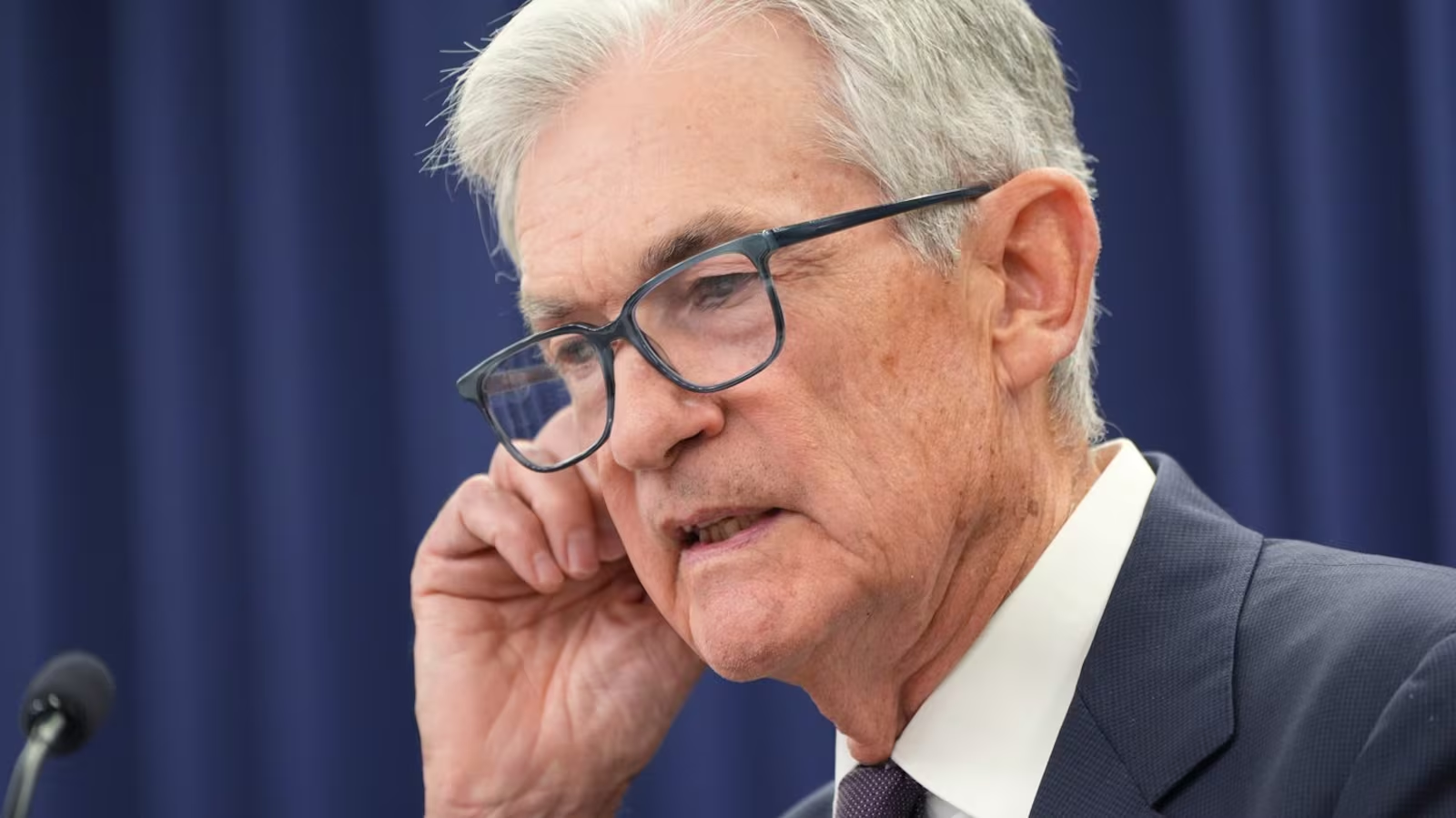
Fed Chair Jerome Powell maintained his cautious stance, saying the central bank needs to see clearer effects from tariffs and inflation before making any moves. This came even as Trump continues to push the Fed to act faster on lowering rates to boost the economy.
Globally, markets were mixed. Japan’s Nikkei 225 slipped 1.2%, while South Korea’s Kospi rose 0.6%, showing the uncertainty isn't just a U.S. story.