
A South Korean statue of a girl symbolising the thousands of women Japan forced into sexual slavery during the second world war.
An American YouTuber known for controversial online stunts has been sentenced to jail in South Korea after a widely condemned incident involving a historic memorial.
Johnny Somali, whose real name is Ramsey Khalid Ismael, has been handed a six-month prison sentence by a Seoul court for actions that sparked public outrage and diplomatic sensitivity.
A Stunt That Sparked National Outrage
The controversy stems from a 2024 video in which Somali filmed himself behaving inappropriately beside a statue honoring Korean women forced into sexual slavery during World War II—commonly referred to as “comfort women.”
The memorial holds deep historical and emotional significance in South Korea. Somali’s actions, which included kissing the statue, were widely seen as disrespectful and offensive, triggering strong public backlash.
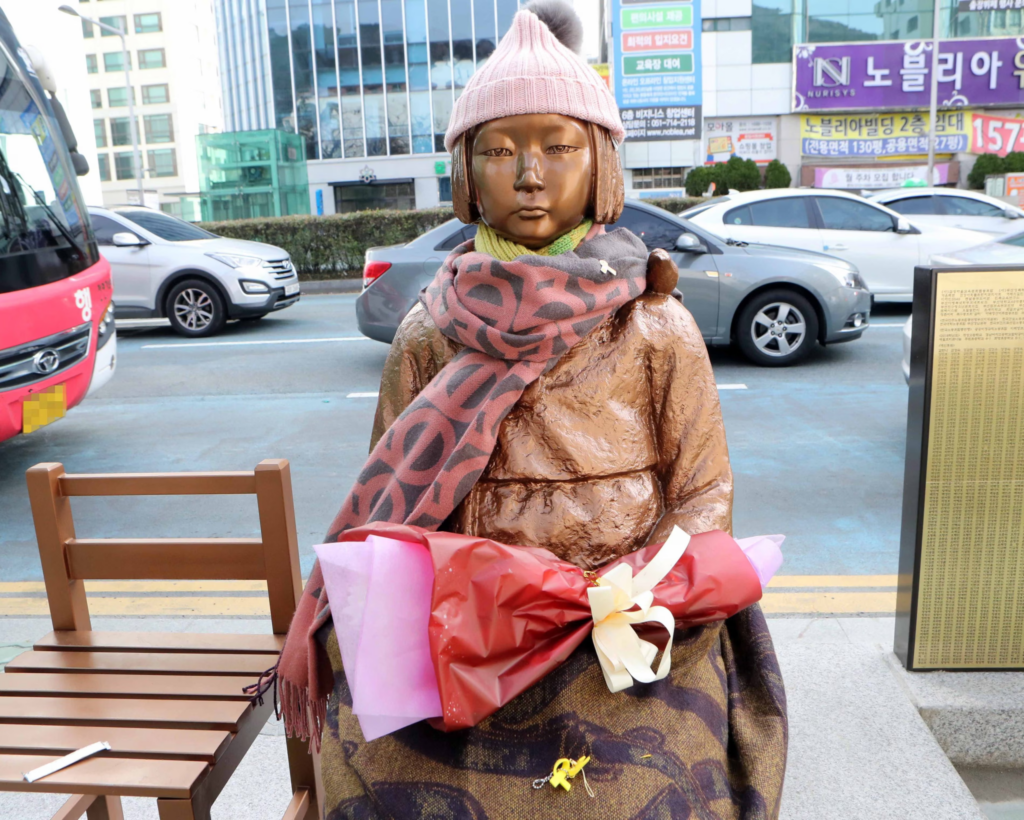
A South Korean statue of a girl symbolising the thousands of women Japan forced into sexual slavery during the second world war.
Legal Action and Court Verdict
Authorities in South Korea charged Somali with public order violations and obstruction-related offences. He was also barred from leaving the country during the investigation.
The Seoul Western District Court confirmed the six-month prison sentence, marking a firm legal response to behavior deemed disruptive and disrespectful.
Apology Fails to Ease Tensions
Following the backlash, Somali issued an apology, claiming he was unaware of the statue’s significance. However, the response did little to calm public anger.
Reports at the time indicated that he faced hostility on the streets, with some individuals confronting him directly over the incident.
Pattern of Provocative Content
Somali had already built a reputation for provocative livestream content across Asia. In Japan, he previously drew criticism for insensitive remarks related to the atomic bombings of Hiroshima and Nagasaki.
His content style—often centered around pushing boundaries in public spaces—has repeatedly raised concerns about cultural sensitivity and accountability in the age of viral media.
A Wider Conversation
The case has reignited discussions about the responsibilities of content creators, particularly when engaging with sensitive historical issues in foreign countries.
South Korea’s response underscores how actions perceived as disrespectful toward national memory can carry serious legal and social consequences.