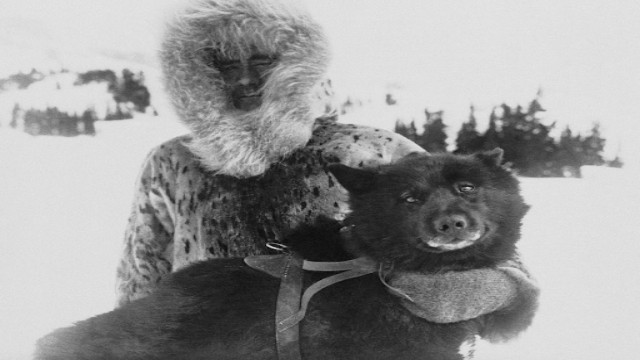
Gunnar Kaasen and his heroic sled dog, Balto, the leader of the team, pose for a portrait in the early 1920s. AP Photo
A century ago, the town of Nome, Alaska, faced a dire situation. The remote town was cut off from the outside world by the frozen sea and harsh blizzards, all while a deadly diphtheria epidemic spread. The only hope for survival was a life-saving serum, but it had to travel hundreds of miles through treacherous winter conditions. Thanks to the heroic efforts of sled dog teams and their mushers, the serum made it to Nome, saving countless lives.
Now, 100 years later, the town is celebrating the bravery of these mushers and dogs, who risked everything to deliver the serum in what became known as the “Great Race of Mercy.” The event is being commemorated with a variety of activities, including lectures, reenactments, and even a dog-food drive, organized by the Nome Kennel Club.
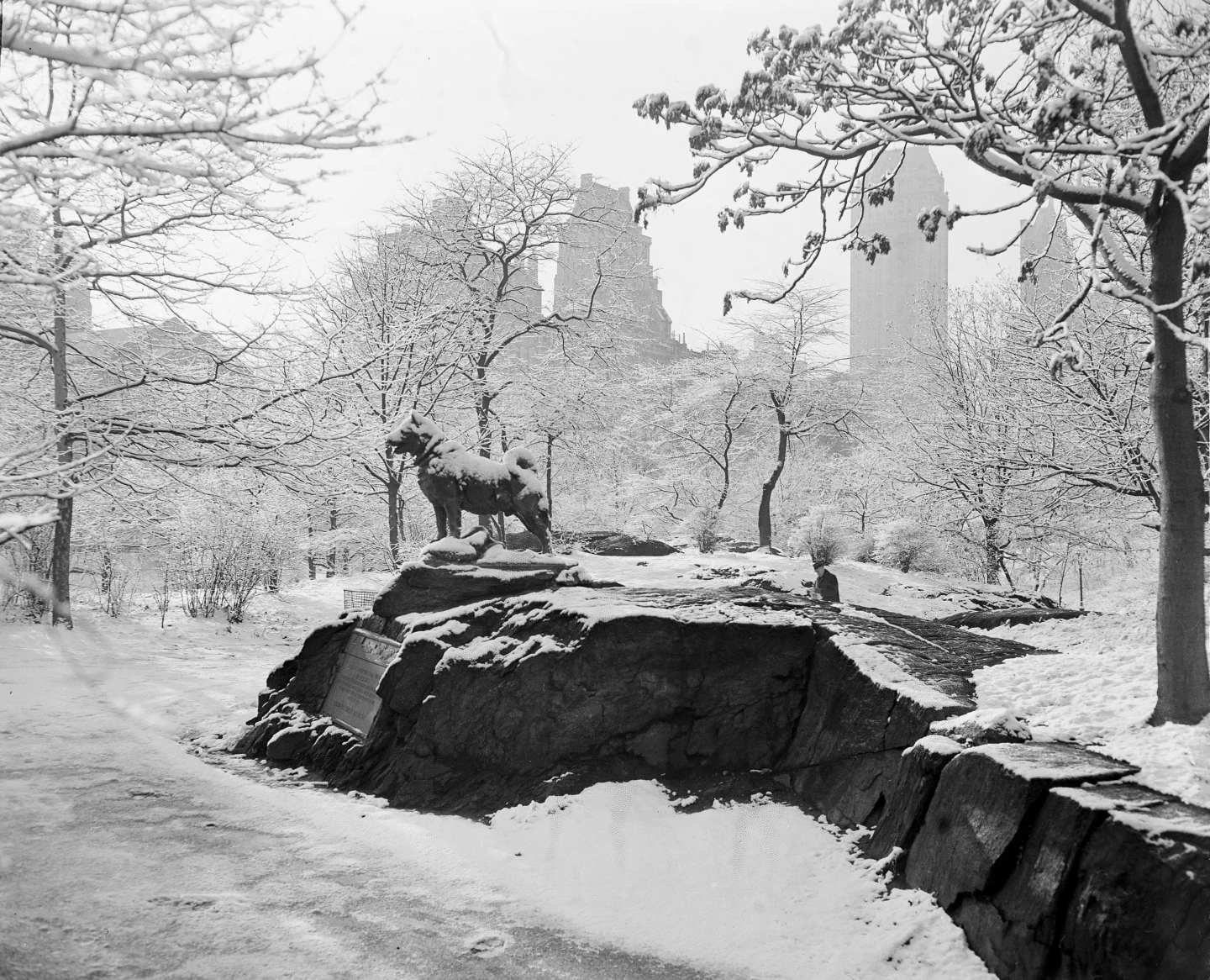
The statue honoring Balto and the other brave sled dogs that delivered serum to Nome, Alaska, during an Arctic blizzard stands covered in snow in New York’s Central Park on December 11, 1947. AP Photo
Diana Haecker, a board member of the club and co-owner of the Nome Nugget newspaper, emphasized the importance of remembering the mushers and their dogs. “People just dropped whatever they were doing and got ready, even though the conditions were so challenging,” Haecker said.
The anniversary celebrations are not limited to Nome. Other places involved in the serum run, including the village of Nenana, where the relay began, and Cleveland, Ohio, where the famous dog Balto is displayed in a museum, are also marking the historic event.
Jonathan Hayes, a Maine resident dedicated to preserving the legacy of sled dogs, is retracing the steps of the 1925 serum run. Hayes, accompanied by 16 Seppala Siberian sled dogs, descended from the original team, began his journey in Nenana on Monday, retracing the nearly 700-mile route.
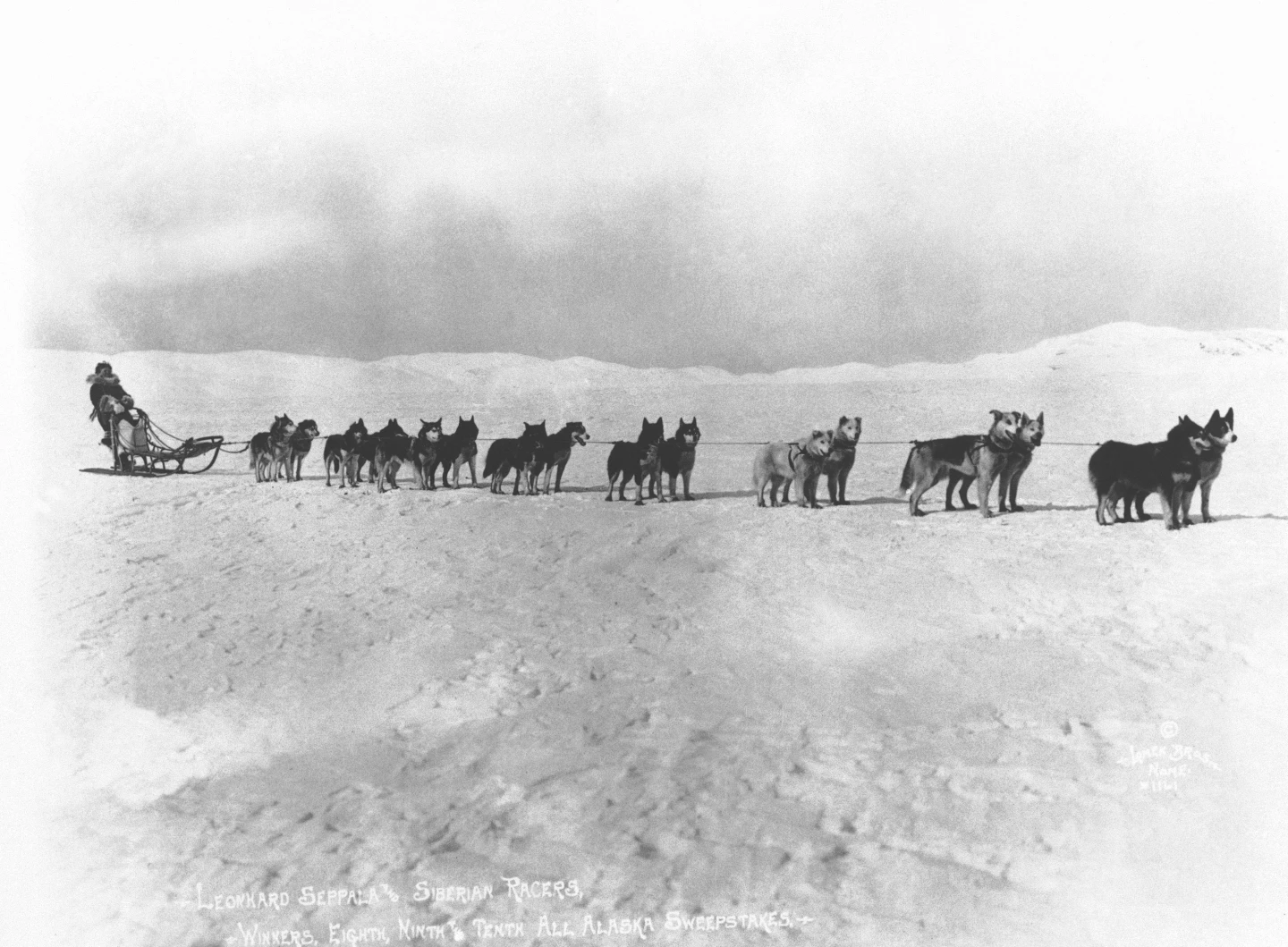
Leonhard Seppala and his sled dog team are shown in Alaska on October 12, 1928. In 1925, Seppala was one of the mushers who took part in the nearly 700-mile relay to deliver diphtheria antitoxin to Nome, Alaska, during a deadly outbreak of the disease. AP Photo
The diphtheria epidemic in Nome began to escalate in January 1925. Diphtheria, a deadly disease that causes suffocating symptoms in children, had been absent in the region for years. But when the first case appeared, it spread quickly, and by the end of the month, more than 20 cases were confirmed. With no fresh supplies of antitoxin and outdated medication on hand, the town was in desperate need of help.
The only way to get the serum to Nome was through a grueling relay race. The serum was shipped by rail to Nenana, Alaska, and from there, 20 mushers and over 150 sled dogs took on the perilous journey to Nome. The sled teams faced fierce winds, whiteouts, and temperatures as low as -60°F (-51°C), with the serum carefully transported in glass vials wrapped in quilts to prevent breakage. Despite these harsh conditions, not a single vial was lost.
One of the most famous figures of the race was Leonhard Seppala, a Norwegian musher who led his dog Togo on a 250-mile journey, including a difficult stretch across the frozen Norton Sound. After 5 1/2 days, the serum finally reached Nome on February 2, 1925, just in time to save lives. The news made headlines across the country, with one publication calling the race "Dogs victors over blizzard in battle to succor stricken Nome."
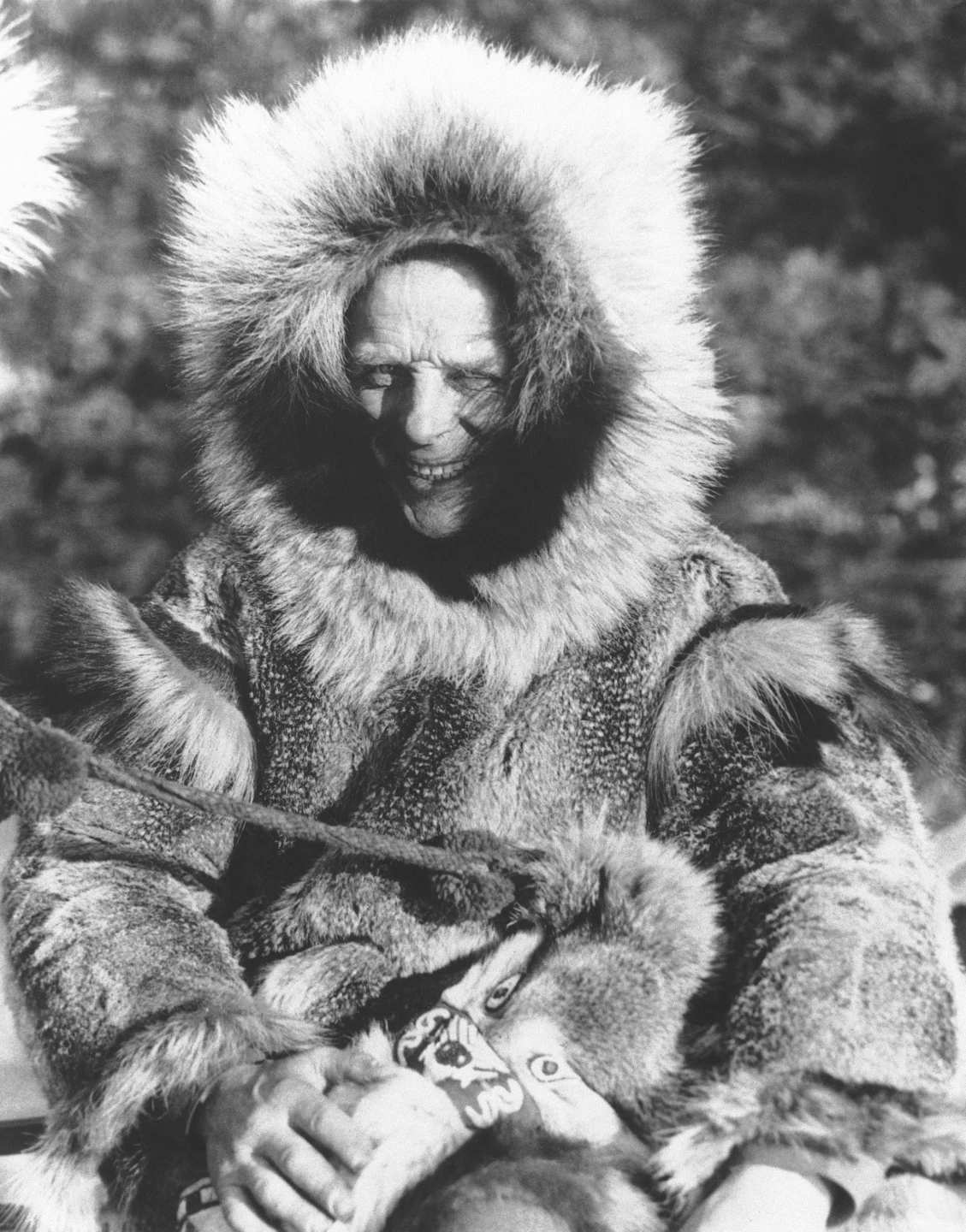
Leonhard Seppala was photographed in Alaska in 1928. AP Photo
Though Seppala’s dog Togo covered the longest distance, it was Balto who became the face of the serum run. Balto, initially seen as too slow for competitive teams, led the final stretch into Nome. His bravery and determination made him a legend. Balto’s story was immortalized in movies, and a statue of him stands in New York’s Central Park, with another in Anchorage. However, after his fame faded, Balto was sold to a dime museum in Los Angeles, where he lived in poor conditions until a businessman raised money to bring him to Cleveland, where his preserved body is now on display.
Today, the Iditarod Trail Sled Dog Race, though not directly based on the serum run, celebrates the spirit of the relay. This year’s race, which begins March 1, also honors the centennial of the serum run. Iditarod organizers are sharing articles about the historical event and selling replicas of the medals given to mushers in 1925.
“The Serum Run demonstrated the critical role sled dogs played in the survival and communication of remote Alaskan communities,” said Iditarod spokesperson Shannon Noonan. “The Iditarod continues that legacy, celebrating both the tradition and pioneering spirit of Alaska.”