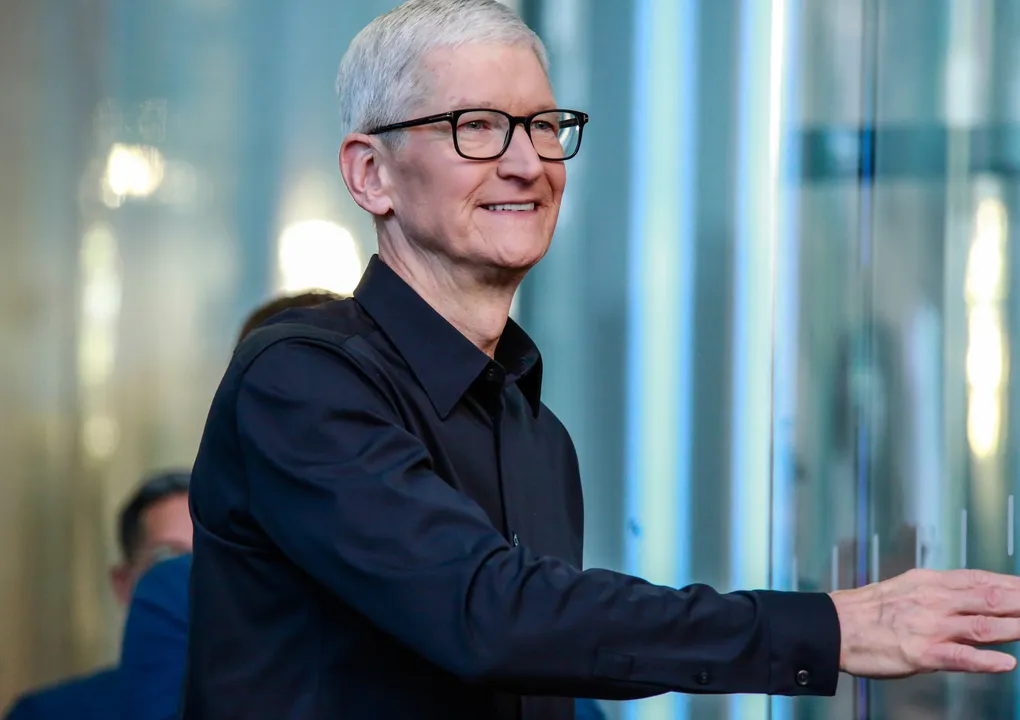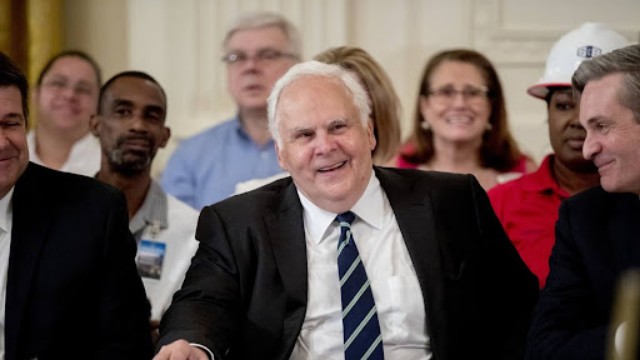
FedEx CEO Fred Smith joined President Donald Trump at the White House on Thursday, July 19, 2018, for the signing of an Executive Order creating the National Council for the American Worker. The event took place in the East Room in Washington. (AP Photo/Andrew Harnik, File)
Fred Smith, the man behind FedEx and a key figure in reshaping modern delivery services, passed away at the age of 80. Smith, a decorated U.S. Marine and Yale graduate, launched Federal Express in 1973 with a bold vision that transformed global shipping forever.
What began as a small operation with 14 aircraft flying out of Memphis quickly expanded into a global logistics giant. Under Smith’s leadership, FedEx became a go-to delivery partner for businesses across the world, moving an average of 17 million packages every workday.
From War Zones to Business Hubs
After finishing college in 1966, Smith joined the Marines and served two tours in Vietnam. He left the military as a captain, having been honoured for both bravery and injuries sustained in combat. Later, he often said that running FedEx drew more from his military background than from anything he learned at Yale.
While still a student, Smith had conceived a bold idea: a central air hub system for faster, more reliable deliveries. When FedEx launched, this “hub and spokes” model was seen as radical. Yet it laid the groundwork for how goods move today—not just in the U.S. but around the world.
Taking Risks for a Bigger Vision
In its early days, Federal Express wasn’t guaranteed to succeed. Smith wanted the company to sound large and trustworthy, so he gave it a name that echoed government strength—even as it was chasing its first big contract with the Federal Reserve Bank, which never materialized.
Despite those initial hurdles, Smith pressed on. He helped reshape how businesses handled inventory—pushing toward speed and precision over bulk storage. It was a move that paid off, both for FedEx and for the economy.
A Quiet Life Beyond the Headlines
Though he ran one of the most visible companies in the world, Smith himself kept a low profile. Even in Memphis, where he was seen as a pillar of the community, he preferred staying behind the scenes. Still, his impact was undeniable. From local institutions like the University of Memphis and the city zoo to national initiatives, Smith quietly lent his support.
One rare public appearance outside the business world came in 2000, when he made a cameo in the Tom Hanks movie Castaway, centred on a FedEx employee stranded after a plane crash.
His son, Arthur Smith, followed a different path, becoming a football coach. Arthur is now with the Pittsburgh Steelers after serving as the head coach of the Atlanta Falcons.
Honoured by Peers and Leaders
After his passing, tributes poured in. Former President George W. Bush called Smith “one of the finest Americans of our generation.” Local congressman Steve Cohen said Memphis had lost its “most important citizen.”
In 2023, Smith gave a rare interview, not to promote his company, but to discuss a donation his family made to support Navy children pursuing STEM studies. “It’s not about recognition,” he said. “If you’ve done well, you should give back.”