Gold price decline continues as inflation fears, rising yields, and strong dollar pressure markets, triggering a broad investor sell-off globally.
Gold prices extended their sharp decline at the start of the week, signaling a dramatic shift in market sentiment after a strong start to the year. Once viewed as a reliable safe-haven asset, gold has recently come under intense pressure as global economic concerns and rising inflation expectations reshape investor behavior.
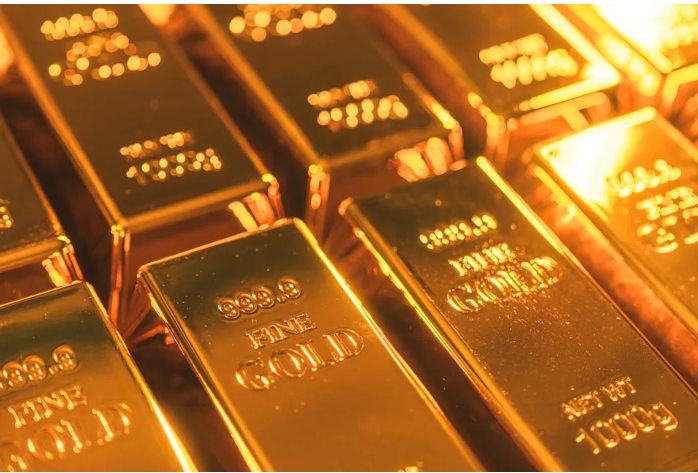
Futures dropped nearly 4% on Sunday night, adding to a steep downturn that has already erased much of the metal’s gains for 2026. The fall follows a particularly difficult week, during which gold recorded its worst performance in decades, reflecting a broader shift across financial markets.
Gold Price Decline Driven by Global Market Pressures
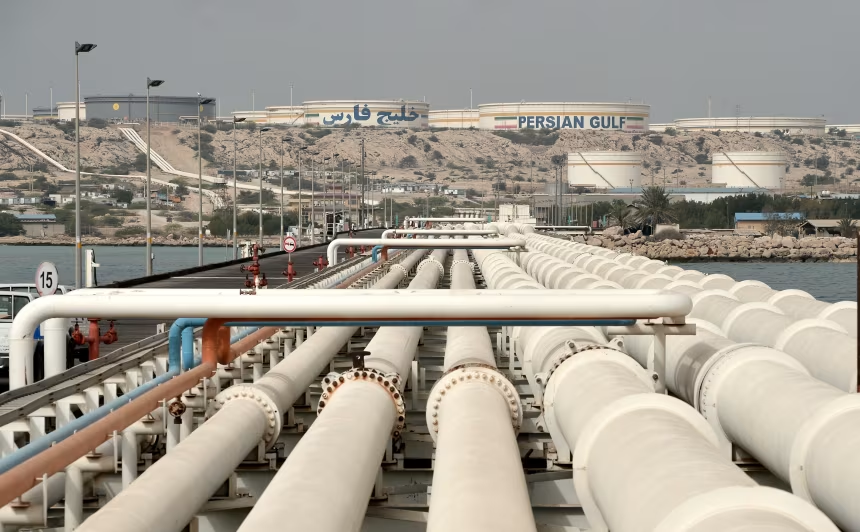
The recent gold price decline appears closely tied to mounting geopolitical tensions and their ripple effects across global markets. Rising oil prices, fueled by ongoing conflict in the Middle East, have intensified fears of persistent inflation, prompting investors to reassess their strategies.
As inflation concerns grow, expectations that central banks might delay or even avoid interest rate cuts have strengthened. In some regions, including parts of Europe, policymakers are even considering the possibility of rate hikes, further dampening the appeal of non-yielding assets like gold.
Market analysts describe the current situation as a widespread sell-off, where investors are liquidating multiple asset classes simultaneously. In this environment, gold’s traditionally defensive role has weakened, as liquidity becomes a priority during periods of uncertainty.
Strong Dollar and Rising Yields Add Pressure
Another key factor behind the gold price decline is the strength of the US dollar, which has made gold more expensive for international buyers. At the same time, rising bond yields have offered investors more attractive alternatives, reducing demand for the precious metal.
Because gold does not generate interest, it tends to lose appeal when yields rise, particularly during periods of economic tightening. This dynamic has contributed to a significant drop in prices since the onset of geopolitical tensions, with gold losing over 14% of its value during this period.
Changing Central Bank Behavior Raises Concerns
Beyond immediate market forces, investors are also growing cautious about the long-term support for gold. Central banks have historically played a major role in sustaining demand, but recent liquidity challenges may be altering their purchasing patterns.
This potential shift has introduced additional uncertainty into the market, as traders question whether one of gold’s key support systems could weaken. Analysts warn that a combination of economic, energy, and currency pressures could reshape global gold demand in the months ahead.
Long-Term Outlook Remains Uncertain
Despite the current downturn, some analysts remain optimistic about gold’s future prospects. They suggest that prolonged energy disruptions and worsening economic conditions could eventually restore gold’s appeal, particularly if central banks pivot toward easing policies to support growth.
Such a shift could once again position gold as a hedge against instability, especially if employment concerns begin to outweigh inflation risks in policy decisions.
Broader Metals Market Also Impacted
The sell-off has not been limited to gold alone, as other metals have also experienced significant declines. Silver and copper prices have dropped sharply, reflecting broader concerns about weakening demand and global economic slowdown.
As markets continue to react to evolving geopolitical and economic conditions, the trajectory of gold will likely depend on how these pressures unfold. For now, the sharp gold price decline underscores the fragile balance between inflation fears, monetary policy expectations, and investor sentiment in an increasingly uncertain global landscape.