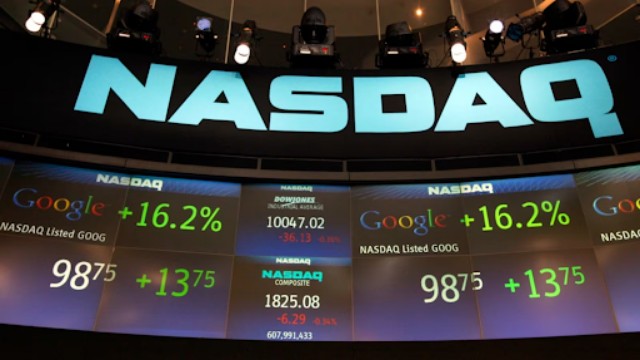
This photo, taken on August 19, 2004, shows Google’s stock prices displayed at the Nasdaq MarketSite in New York shortly after its trading debut. Years later, on August 6, 2021, the U.S. Securities and Exchange Commission approved a major step forward for boardroom diversity. The Nasdaq’s proposal aims to increase the representation of women, people from racial minority groups, and LGBTQ individuals on the boards of companies listed on its exchange. (AP Photo/Kathy Willens, File)
America’s leading stock exchanges — Nasdaq and the New York Stock Exchange — are quietly working with the Securities and Exchange Commission (SEC) to make public listing easier for companies. The goal? To tempt highly valued private startups to go public by reducing the red tape that often discourages them.
According to sources familiar with these ongoing private talks, the discussions include cutting down disclosure requirements, lowering costs for going public, and limiting how much influence small shareholders have on company decisions. These negotiations, kept under wraps until now, reflect a larger move under the Trump administration to loosen rules that businesses say slow down growth.
Industry leaders argue the current system keeps promising companies private for too long. Nasdaq President Nelson Griggs told Reuters that attracting companies to public markets is crucial for investor access. Nasdaq has already suggested changes to streamline the filing process for shareholders' votes.
The NYSE echoed similar views. Jaime Klima, NYSE’s top legal counsel, said the exchange continues to push for smart, effective regulation that keeps U.S. markets attractive. Though she didn’t detail the current discussions, she emphasized the importance of working closely with regulators.
Meanwhile, new SEC Chairman Paul Atkins has voiced interest in reducing rules that hinder companies from raising funds through public offerings. While the SEC hasn’t confirmed the specifics of these talks, it acknowledged efforts to revisit certain listing requirements.
However, not everyone is convinced that rolling back regulations is a win for all. Experts warn that fewer rules could mean greater risks for investors. University of Pennsylvania law professor Jill Fisch points out that strong rules make U.S. markets trustworthy — better information leads to better pricing and healthier markets.
What’s Being Considered?
One key focus is revising the “proxy process,” which governs how companies provide voting information to shareholders. Changes would likely make it harder for small investors to launch campaigns or repeatedly submit proposals. The reform would also ease reporting requirements during early voting procedures.
Another effort aims to reduce the fees and costs of being listed, making the public option more affordable. There’s also talk of supporting companies that go public through SPACs (special purpose acquisition companies) — a method the SEC had previously tightened rules around.
The proposal also considers making it easier for public companies to raise more money by selling additional shares, often called follow-on offerings.
A Response to Mounting Regulation
Since 2002, U.S. public companies have faced a growing mountain of regulations. Laws like Sarbanes-Oxley (enacted after major corporate scandals) and additional rules following the 2008 crisis, the COVID-era meme stock frenzy, and the climate risk focus have all added layers of compliance.
An IPO filing today can span over 250 pages — a far cry from Apple’s simple 47-page filing back in 1980. The increased paperwork and stricter rules have made some companies, like Elon Musk’s SpaceX, hesitant to go public.
Though there have been earlier attempts to reduce red tape — like the 2012 JOBS Act or President Trump’s efforts to loosen the Dodd-Frank Act — this new round of talks could shape one of the biggest overhauls since then.
Public Listings on the Decline
Since 2000, the number of U.S. public companies has dropped by 36%, now sitting around 4,500. Wall Street leaders like JPMorgan’s Jamie Dimon and Citadel’s Ken Griffin blame heavy regulation for discouraging IPOs.
But even if the rules do change, experts say a massive wave of new IPOs is unlikely. Dave Peinsipp of law firm Cooley believes it depends more on how confident companies are in market returns and valuations than on rulebooks.