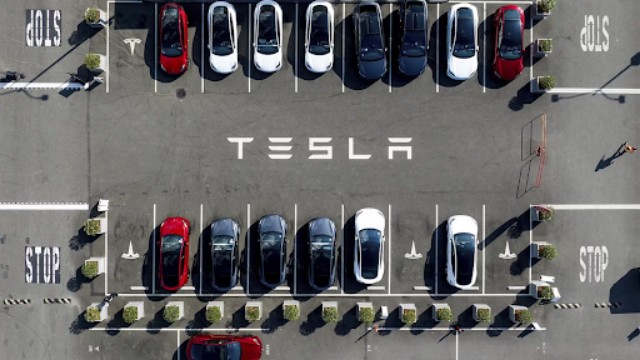
Tesla cars are seen parked at the company’s factory in Fremont, California (Photo: Noah Berger, AP, file)
Tesla is staring down another disappointing year after it reported a second consecutive quarterly decline in vehicle deliveries. Despite efforts to revive demand, the electric carmaker is struggling to win back buyers — many of whom appear to be stepping away due to CEO Elon Musk’s increasingly outspoken political views and Tesla’s outdated lineup.
The second quarter of 2025 saw Tesla deliver 384,122 vehicles — a 13.5% drop compared to the same period last year. Although the numbers were slightly better than the most pessimistic forecasts, they still fell short of analysts’ expectations. Some optimism remains among investors, largely because the decline wasn’t worse, and sales improved slightly in China.
To meet last year’s sales figures, Tesla will now need to deliver more than one million vehicles in the latter half of the year — a big ask, especially with economic uncertainty fueled by rising tariffs and possible cuts to EV incentives under proposed tax reforms by the Trump administration. These incentives, like the $7,500 tax credit on new EV purchases, play a significant role in driving demand.
Tesla’s share price did bounce back by 4.5% following the announcement. The slight recovery was partly fueled by renewed interest in the updated Model Y in China — a market where Tesla has managed to claw back some lost ground. Still, many investors remain cautious, saying they need more consistent signs of recovery before celebrating.
Shawn Campbell, an adviser at Camelthorn Investments and Tesla shareholder, voiced this sentiment, saying, “One good quarter isn’t a trend. We need more than a glimmer of hope.”
Delayed Launches and Political Drama
While Tesla has offered lower financing options to boost appeal, the company has yet to introduce long-promised affordable models. A more budget-friendly version of the Model Y was expected to start production by the end of June, but reports suggest that it has been delayed.
Adding to Tesla’s challenges is Musk’s ongoing political feud with U.S. leaders, particularly around a new tax bill. His visible support for right-wing politics has reportedly alienated buyers, especially in the U.S. and Europe, where Tesla's brand once symbolized innovation and environmental responsibility. Now, that image appears to be cracking under the weight of Musk’s online behaviour and political entanglements.
Glimmers of Hope in Some Markets
Despite the global slump, there are signs of resilience in key markets. Tesla broke an eight-month losing streak in China, thanks in part to strong sales of the updated Model Y. Chinese consumers are also growing skeptical of local competitors allegedly reselling used vehicles as new — a shady practice that has made Tesla’s reputation for quality a key selling point.
Meanwhile, sales also grew in parts of Europe such as Norway and Spain, where interest in the Model Y is showing signs of life again, even after Musk’s political leanings caused a significant dip in regional demand.
Still, for Tesla to truly recover, it will need more than one strong model and short-term gains. It must rebuild trust, refresh its product line, and distance itself from controversy — something that might prove difficult as Musk continues to dominate headlines.