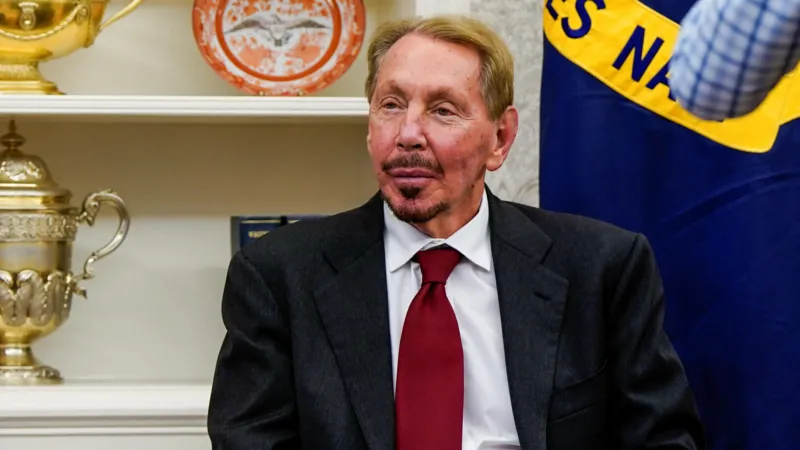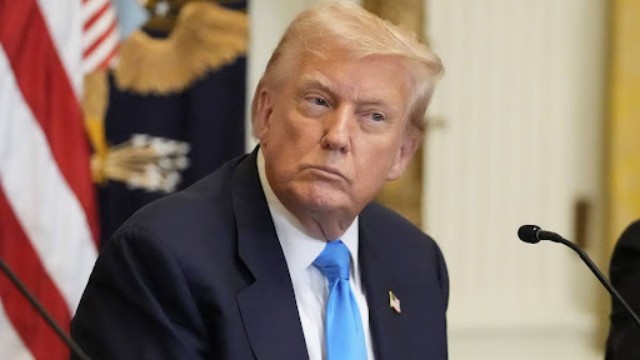
U.S. President Donald Trump walked out after signing the VA Home Loan Program Reform Act into law during an event held in the Roosevelt Room at the White House on Wednesday, July 30, 2025, in Washington. (AP Photo/Mark Schiefelbein)
In a bold trade move, U.S. President Donald Trump has raised tariffs on Canadian products from 25% to 35%, targeting all goods not protected by the U.S.-Mexico-Canada Agreement (USMCA). The White House announced the change on Thursday, stating that products routed through third countries to dodge these tariffs would also face a hefty 40% transshipment fee.
This fresh wave of tariffs marks another chapter in the ongoing trade tensions between the U.S. and Canada. Trump justified the increase by pointing fingers at Canada’s supposed failure to stop fentanyl trafficking into the United States — a claim Ottawa has long disputed.
The White House didn’t hold back in its criticism, accusing Canada of "continued inaction and retaliation." Trump even said Canadian Prime Minister Mark Carney had reached out before the August 1 deadline, but no talks took place. According to Trump, any country that hadn’t finalized a deal with the U.S. by Friday would be hit with stiffer tariffs.
Canada, for its part, maintains that only a tiny amount of fentanyl entering the U.S. comes through its border and has already taken steps to tighten border security. Carney acknowledged that while trade talks were moving in a positive direction, a comprehensive deal might not be possible before the deadline. He also warned that the complete removal of U.S. tariffs wasn’t likely.
The Prime Minister now faces the difficult task of coordinating a unified response among Canada’s ten provinces, which hold varying views on how to handle the dispute. Ontario Premier Doug Ford — whose province makes up about 40% of Canada’s GDP — urged Ottawa to strike back with a 50% counter-tariff on U.S. steel and aluminum.
“Now is not the time to fold,” Ford declared on social media. “Canada shouldn’t settle for anything less than a fair deal.”
Although Trump insisted he still "loves Canada," he accused the northern neighbor of mistreating the U.S. economically for years. U.S. Commerce Secretary Howard Lutnick hinted that if Carney takes a less combative stance, there might still be room for negotiation.
Meanwhile, Mexico was granted a 90-day grace period to strike a trade deal, sparing it from a looming 30% tariff — though it must still pay a 25% duty on non-USMCA-compliant exports. Trump tied these measures to his push for stronger efforts against drug and human smuggling from the south.
Canada remains heavily dependent on trade with the U.S., with 75% of its exports heading south. The new tariff hike directly impacts key Canadian industries — especially steel, aluminum, and automobiles — if they fall outside USMCA regulations.
Despite this, the Canadian economy has shown unexpected strength, with economists suggesting the country may sidestep a recession. Data shows that by May 2025, 90% of Canadian exports to the U.S. qualified for USMCA exemptions. Some companies have also begun shifting their export strategies to minimize tariff exposure.
Still, Canada’s overall exports to the U.S. dropped from 78% to 68% between May 2024 and May 2025, particularly in manufacturing sectors. In June, Carney hinted that if talks fail, Canada would likely slap retaliatory tariffs on U.S. steel and aluminum.