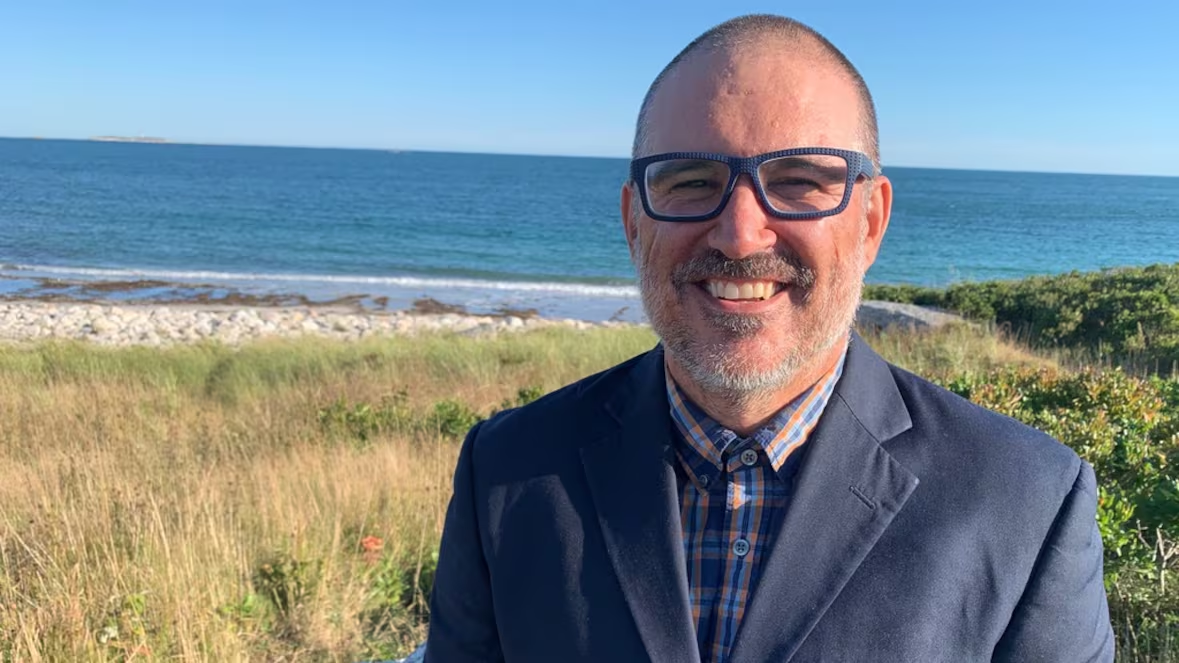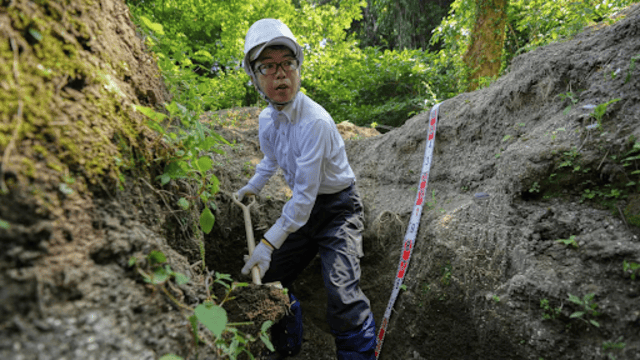
On Tuesday, July 8, 2025, researcher Rebun Kayo from Hiroshima University continued his efforts to locate the remains of those who died in the 1945 atomic bombing. He searched through wooded areas on Ninoshima Island, just off the coast of Hiroshima in western Japan, hoping to bring long-lost victims back to light. (AP Photo)
Eighty years have passed since the atomic bomb hit Hiroshima on August 6. But for many survivors and families, the pain of missing loved ones remains. After the blast, thousands of wounded were taken by boat to Ninoshima, a small island just south of the city.
Many of the victims suffered terrible burns. They arrived at a field hospital on the island. But because of limited care, only a few hundred lived past August 25. The rest were buried quickly in scattered graves.
Families and Researchers Still Searching
To this day, people continue to search for missing remains. They want to honor those who died and bring peace to survivors. Researcher Rebun Kayo from Hiroshima University has searched the island since 2018.
Kayo wears protective gear and digs in forested areas. He has found over 100 bone fragments, including a baby’s jawbone with teeth. A local tip helped him locate a burial site. The area matched stories from residents who remembered soldiers burying bodies.
“This little child has been alone for all these years,” Kayo said, holding the jawbone. “It’s just heartbreaking.”
Survivors Remember That Day
The bomb destroyed Hiroshima and killed many instantly. By the end of 1945, around 140,000 people had died. Survivors like Tamiko Sora still carry memories of that day. She was just three years old when the blast hit her home.
She remembers meeting a five-year-old girl named Hiroko and a woman carrying a baby. Her family couldn’t help them. She still wonders if they were sent to Ninoshima and buried there.
Sora has visited the island twice to pray at a cenotaph for the unknown victims. She believes those lost souls are waiting to be remembered.
Ninoshima’s Role in the Tragedy
After the bombing, boats brought victims to Ninoshima’s No. 2 quarantine center. The hospital quickly filled with severely injured people. Soldiers worked nonstop to cremate and bury the dead.
Eiko Gishi, a young trainee at the time, helped move patients. He and others made bamboo cups and trays. Many patients died shortly after drinking water.
At first, soldiers handled each body with care. But soon, there were too many. They used an incinerator made for animals. When space ran out, they buried bodies in bomb shelters and mounds.
Army medic Yoshitaka Kohara later recalled, “I was speechless. I had never seen such suffering.”
Thousands Still Unaccounted For
Since 1947, searchers have found the remains of about 3,000 bombing victims on the island. But many more remain missing. Local historian Kazuo Miyazaki, now 77, also searches for answers. He lost family members in the bombing. His mother, an army nurse, served on the island.
Miyazaki believes future generations must remember the horrors of war.
A Moment of Peace and Closure
During a recent visit to a nursing home, Kayo showed Sora the bones he found. The baby jaw and skull pieces rested on cotton inside a small box.
Sora prayed silently, then whispered, “I’m so happy you were finally found. Welcome back.”