The United States and China have agreed to extend their ongoing tariff truce by another 90 days, giving both sides breathing space to continue trade talks and avoid a sharp escalation in duties. The extension delays steep triple-digit tariffs that could have disrupted global trade and hit U.S. holiday season imports hard.
President Donald Trump announced the decision on Monday via his Truth Social platform, confirming he had signed an executive order postponing higher tariffs until 12:01 a.m. EST on November 10. The current arrangement keeps U.S. tariffs on Chinese goods at 30% and Chinese tariffs on American imports at 10%. Without this extension, tariffs could have jumped to 145% and 125% respectively, creating what many experts called a near trade freeze.
China’s Commerce Ministry issued its own statement early Tuesday, pledging to uphold all necessary measures to suspend or remove non-tariff barriers. This came after months of back-and-forth negotiations, with Trump pushing Beijing for larger purchases of American soybeans, though Monday’s order did not include any new commitments.
Trump’s executive order emphasized the U.S. goal of addressing trade imbalances and ensuring fair competition, saying China had taken “significant steps” toward resolving longstanding disputes. Officials hope the pause will allow both nations to make progress ahead of the holiday shipping surge, which brings in electronics, clothing, and toys in bulk.
Former U.S. trade negotiator Wendy Cutler described the move as a “positive sign,” noting that both sides had recently taken measures to reduce tensions. Talks over the summer in Geneva and Stockholm led to the original 90-day truce in May, with negotiators recommending an extension after July’s meetings.
Treasury Secretary Scott Bessent had repeatedly warned that the earlier triple-digit tariffs were unsustainable, effectively functioning as a trade embargo between the world’s two largest economies. Former White House trade official Kelly Ann Shaw added that the extension came “right down to the wire,” with Trump likely seeking extra concessions before agreeing.
Ryan Majerus, another former U.S. trade official, said the decision would ease market concerns and give negotiators more time to find common ground. Meanwhile, U.S. trade data revealed imports from China dropped sharply in June after a surge earlier in the year to beat tariff deadlines. The U.S. trade deficit with China fell to its lowest point since February 2004, narrowing by nearly 70% from a year earlier.
Alongside trade issues, Washington has been pressuring Beijing to cut purchases of Russian oil, with Trump warning of additional penalties if this demand is ignored.
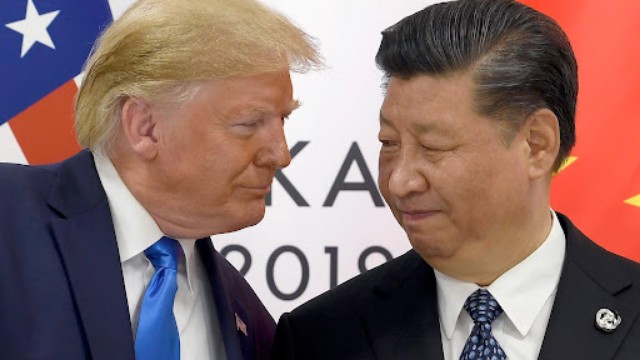
This 90-day reprieve sets the stage for potential face-to-face talks between Trump and Chinese President Xi Jinping later this year, raising hopes for a broader trade deal that could reshape the economic relationship between the two nations.