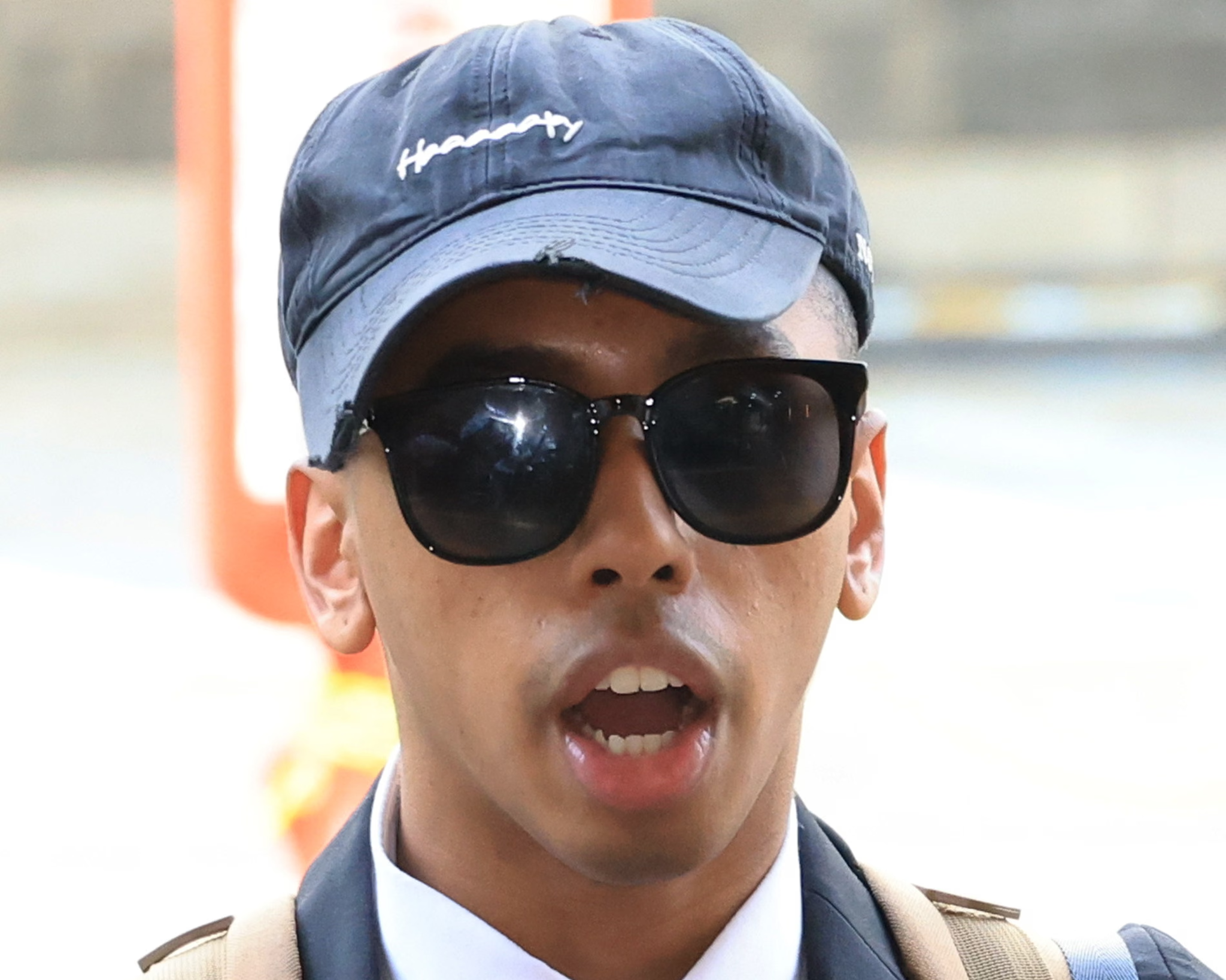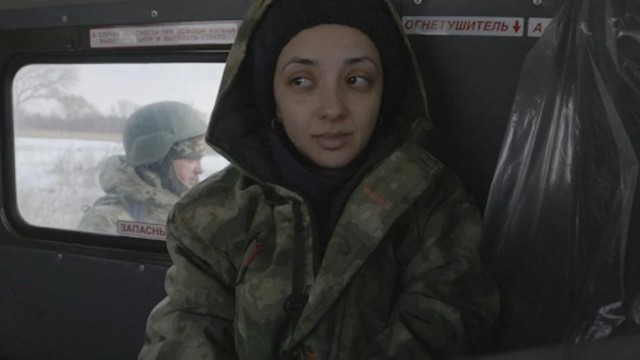
"Anastasia Trofimova is seen the film 'Russians at War' in this undated handout photo. The Canadian Press/Handout - Anastasia Trofimova
Anastasia Trofimova risked her life to film Russians at War. She then spent a year battling to get it seen.
After months of cancellations, protests, and threats, the controversial documentary will now be released directly to viewers on Tuesday, bypassing the traditional festival circuit.
The film, which follows Russian soldiers on the front lines in Ukraine, premiered at Venice in 2024 to a standing ovation. But its journey since has been marked by intense opposition.
From Applause to Protests
The documentary’s North American debut at the Toronto International Film Festival last year drew strong pushback from pro-Ukraine groups, who accused it of being Russian propaganda. Demonstrations led to rescheduled screenings due to “significant threats to festival operations and public safety.”
The backlash spread to other events. Festivals in Athens and Zurich withdrew the film amid mounting protests and security fears. Broadcaster TVO also cancelled its planned airing, leaving the film without a distributor.
“I was getting death threats and all sorts of abuse,” Trofimova recalled. “You risk your life to bring back a story, go deeper than others, and you’re attacked by people who haven’t even been near the war — but feel they can tell you what it’s like.”
The Russian-Canadian filmmaker noted that many critics admitted they had not watched the film and did not intend to.
Inside the Controversial Documentary
In Russians at War, Trofimova embeds with Russian troops to document their personal accounts of the conflict. Supporters have praised its raw, unfiltered portrayal of soldiers’ lives. Critics, however, argue that it lacks sufficient historical and political context, potentially downplaying the Russian military’s role in the invasion.
Producer Cornelia Principe, known for the Oscar-nominated To Kill a Tiger, says the direct release was “partly by design, partly by necessity.”
“It’s important for people to see it,” she explained. “Much of the controversy comes from those who haven’t.”
The film will air later this year on British Columbia’s Knowledge Network as part of a series on the war in Ukraine. European broadcast deals are also in discussion.
Legal Disputes and Rights Reclaimed
Last year, the film’s legal team threatened action against TVO for cancelling its broadcast. Principe says the parties have since reached “a mutually satisfactory settlement” and agreed not to comment further.
Her company, Raja Pictures, has now reclaimed the film’s rights. Russians at War can be rented worldwide via russiansatwar.com, except in Russia, Ukraine, and Belarus, where it will be made available for free at a later date.
The release strategy was inspired by other politically sensitive documentaries, including No Other Land and Union, which also faced distribution barriers.
A Chilling Effect on Creative Freedom?
Trofimova says the film’s turbulent reception highlights how vulnerable art can be to organized campaigns.
“It’s shockingly easy to attack a film,” she said. “An interest group, a state, a corporation — they can get screenings cancelled or distort the narrative.”
Principe fears such pressure could encourage self-censorship.
“Will filmmakers start avoiding difficult subjects? Will festivals and broadcasters stop taking risks?” she asked.
In response to criticism about context, the filmmakers have added an introductory note to the direct-to-audience version. It states that Russia’s invasion is “the deadliest conflict on European soil since WWII” and notes that the International Criminal Court is investigating possible war crimes.
A Plea for Viewers to Decide for Themselves
For those hesitant to watch, Trofimova offers a simple message: “Watch it when you’re ready.”
“This isn’t a ‘gotcha’ film or one that dehumanizes,” she said. “It’s a record of history. The war is terrifying and tragic — and it’s still happening. When you see what it looks like, maybe illusions will fade, and understanding will grow.”
Her hope is that the film encourages viewers to see the human cost of war, beyond politics and propaganda.