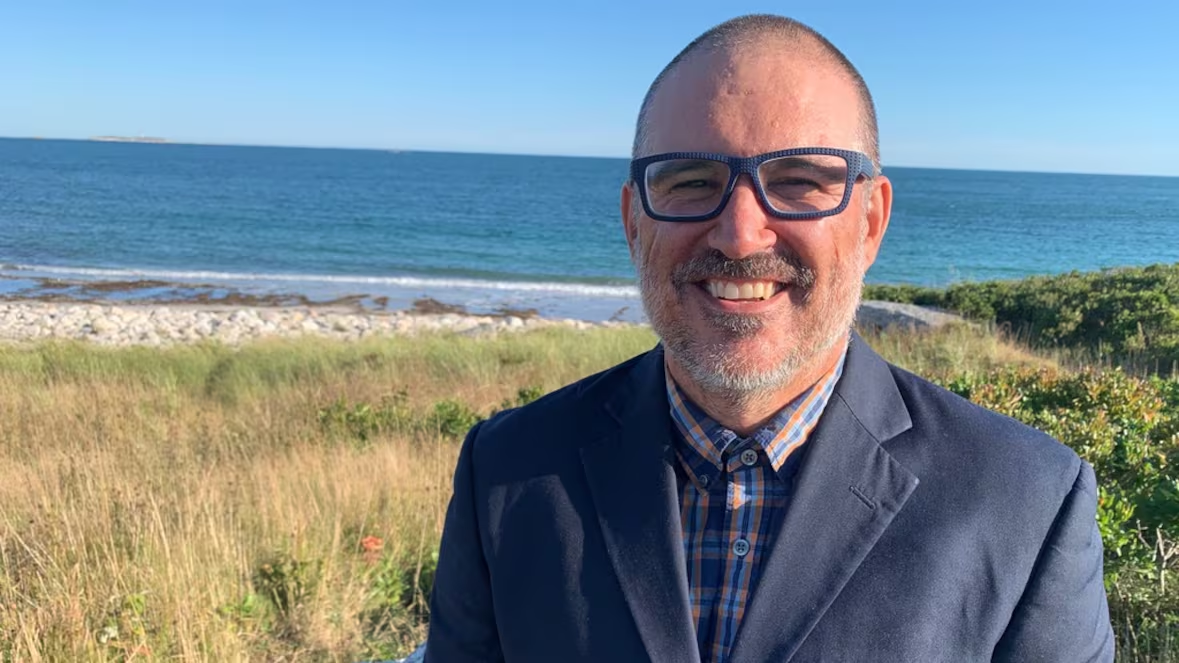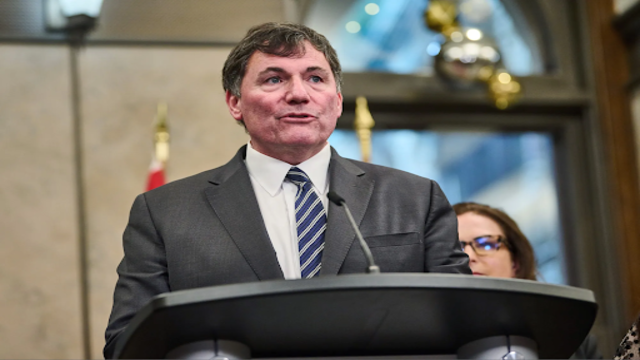
Dominic LeBlanc is heading to Washington for trade talks with U.S. Commerce Secretary Howard Lutnick. Bloomberg
Dominic LeBlanc, the cabinet minister overseeing Canada–US trade relations, will travel to Washington this week for discussions with Commerce Secretary Howard Lutnick. The visit comes only days after Canada announced plans to remove most of its retaliatory tariffs on American goods.
LeBlanc confirmed the upcoming meeting during a French-language radio interview on Monday. “We are looking, I hope, for an agreement that will put us in a better position than we are right now,” he said.
Canada Removes Some Tariffs
On Friday, Prime Minister Mark Carney revealed Canada would lift counter-tariffs on a wide range of US imports that comply with the North American trade deal. The tariffs had been in place since March and were introduced by former prime minister Justin Trudeau in response to US duties.
While many tariffs are ending, some key sectors remain protected. Canada will continue to apply 25% import taxes on American steel and aluminum products. Certain US-made cars and trucks will also face Canadian tariffs. These measures follow President Donald Trump’s decision to impose heavy duties on these industries.
Pressure from Washington
Lutnick had pushed for the removal of Canada’s counter-tariffs before advancing trade talks. LeBlanc noted that Canada’s move could create momentum for broader negotiations. He also hinted that both sides have been discussing matters of special interest to Washington, though he did not provide specifics.
LeBlanc’s office confirmed he will fly to Washington on Tuesday. His meeting with Lutnick will take place in the coming days.
Path Toward a Larger Agreement
LeBlanc believes Canada’s decision to scale back retaliation may help open the door for a larger trade deal with the Trump administration. In an interview last week, he explained that the step could also help lay the foundation for a review of the United States-Mexico-Canada Agreement (USMCA). That review is scheduled for next year.
Despite these developments, uncertainty remains. LeBlanc admitted Canada has yet to receive any sign that Trump will ease his tariffs on foreign-produced steel and aluminum, which currently sit at 50%. Without movement from Washington, tensions could remain high in these critical sectors.
Balancing Trade Priorities
The government faces the challenge of protecting Canadian industries while trying to rebuild a smoother trade relationship with the United States. By lifting some tariffs while keeping others, Ottawa hopes to strike a balance between defending local producers and pushing for progress at the negotiating table.
For LeBlanc, the upcoming talks in Washington represent a chance to test whether that strategy will deliver results.