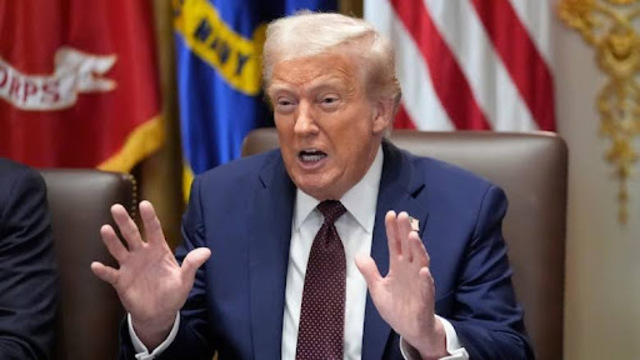
U.S. President Donald Trump addresses his cabinet during a White House meeting Tuesday. The Associated Press
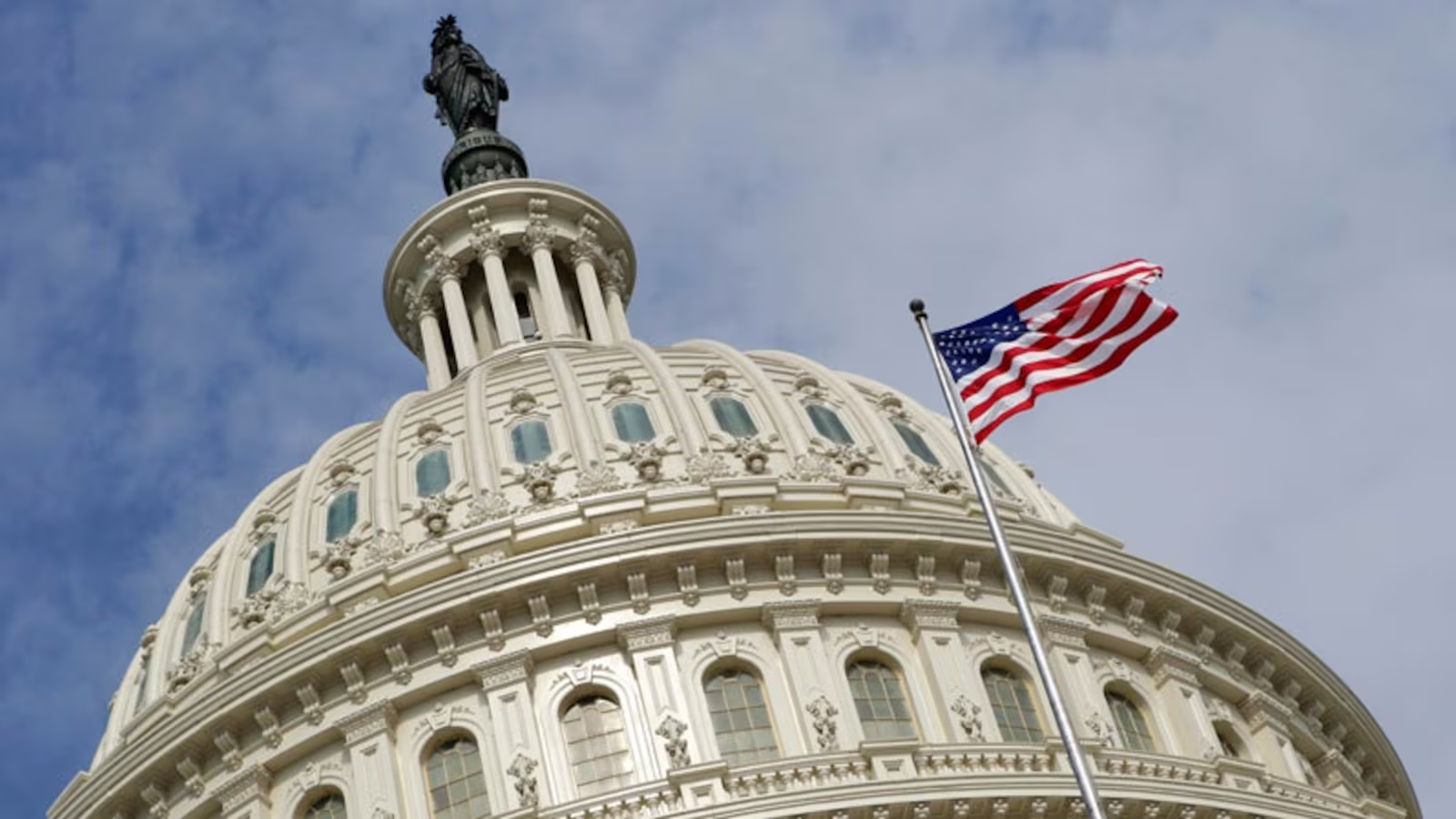
A U.S. federal appeals court declared today that many of former President Donald Trump's tariffs exceed his legal powers. The court ruled 7-4 that his “Liberation Day” tariffs and fentanyl-related duties violated the national security law he used. Despite this, the tariffs remain in place while the case likely heads to the U.S. Supreme Court.
Judges said, “It seems unlikely that Congress intended to ... grant the president unlimited authority to impose tariffs.” They added, “The statute neither mentions tariffs (or any of its synonyms) nor has procedural safeguards that contain clear limits on the President's power to impose tariffs.”
Trump Responds
Trump posted on social media, “ALL TARIFFS ARE STILL IN EFFECT!” He called the court “highly partisan.” He also warned, “If these Tariffs ever went away, it would be a total disaster for the Country. It would make us financially weak, and we have to be strong.”
Legal Challenge
The Liberty Justice Center, representing some businesses affected, said, “The president cannot impose tariffs on his own.” The tariffs were imposed using the International Economic Emergency Powers Act (IEEPA) of 1977. The act allows the president to control economic transactions in emergencies but does not mention tariffs. The Constitution gives Congress the power over taxes and tariffs. The Center said, “IEEPA does not give him unlimited, unilateral tariff authority. This ruling protects American businesses and consumers from the uncertainty and harm these unlawful tariffs have caused.”
White House Statement
White House spokesperson Kush Desai defended the tariffs, saying, “President Trump lawfully exercised the tariff powers granted to him by Congress to defend our national and economic security from foreign threats. The president's tariffs remain in effect, and we look forward to ultimate victory on this matter.”
Impact on Trade
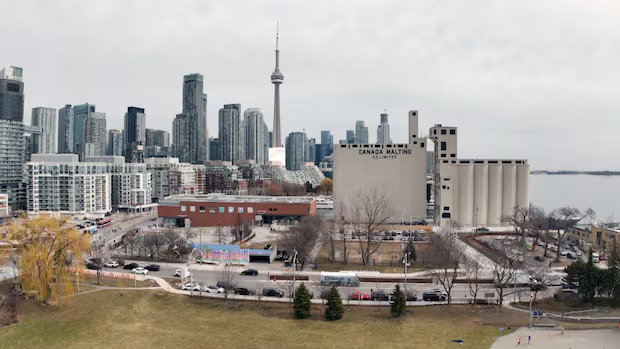
Trump has used tariffs to reshape global trade. The ruling could affect his plans. He has said tariffs restore American manufacturing, secure trade deals on U.S. terms, and generate government revenue. Canada has faced economy-wide duties since March, linked to fentanyl at the border, though some were paused under the Canada-U.S.-Mexico trade agreement.
Trump increased Canadian tariffs to 35% in August, citing fentanyl and retaliatory measures. Canadian officials, including Trade Minister Dominic LeBlanc, met U.S. counterparts recently. LeBlanc said the meeting was “constructive” but cautioned that tariffs likely remain. Ottawa aims for a bilateral deal to ease pressure on steel, aluminum, copper, and auto imports.
Countries including the U.K., Japan, Vietnam, Indonesia, and the EU have made partial agreements, yet many tariffs remain. The trade war continues as the U.S. appeals court ruling sparks debate on presidential authority.