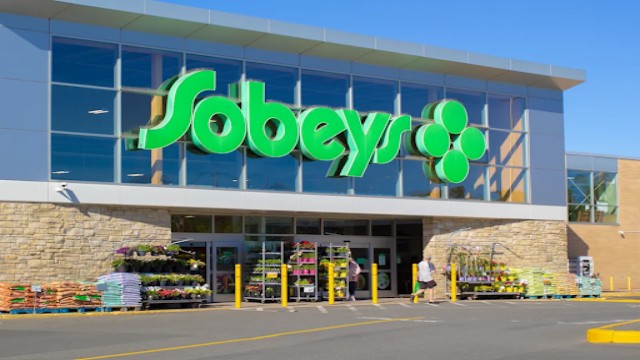
Sobeys supermarket in Truro, Canada, May 2022. (Getty Images)
Sobeys’ parent company, Empire, is keeping food inflation well below Canada’s national rate, according to CEO Michael Medline. Speaking about the company’s latest earnings call, he praised the grocer’s careful pricing strategies. While he did not disclose exact figures, he emphasized that Empire’s food price growth is “way below” the national consumer price index of 3.1 per cent last quarter.
“By managing tariffs carefully and avoiding passing on unnecessary costs, we kept price growth in check,” Medline said. His comments suggest a deliberate effort to protect customers while navigating challenging market conditions.
Smart Pricing and Customer Focus
Empire’s approach to pricing has been cautious and strategic. Instead of reacting to market pressures with sudden increases, the company chose a measured path. Medline explained that avoiding “reactionary or unnecessary costs” was key to keeping inflation low.
This strategy not only protects shoppers but also reinforces trust. Customers notice when essential items remain affordable despite broader economic pressures. For Empire, this balance between pricing and customer care seems central to its business model.
Supply Chain Resilience
Beyond pricing, Empire is strengthening its supply chain. Medline highlighted the company’s increasingly diversified sourcing strategy. “This gives us the flexibility to remain strong for years, even amid market challenges,” he said.
A diverse supply chain helps mitigate risks like tariffs, transportation disruptions, or rising commodity costs. By spreading sourcing across multiple suppliers, Empire can respond quickly to market changes without passing costs onto consumers.
Other Canadian grocers are taking similar measures. In August, Loblaw CEO Per Bank noted that goods affected by tariffs will gradually drop in price as inventory purchased at higher costs is sold. Bank added that over 4,000 items will soon have tariff-related labels removed, reflecting a shift toward stabilized pricing.
Earnings and Sales Performance
Empire’s financial results for the quarter ending August 2 show steady growth. Net earnings reached $212 million, or 91 cents per share, up from $208 million, or 86 cents per share, a year earlier. Quarterly sales totaled $8.26 billion, an increase from $8.14 billion in the same period last year.
Same-store sales rose 0.8 per cent, with food same-store sales climbing 1.9 per cent. Despite this growth, Empire shares experienced a slight dip, trading at $51.42 as of 11:26 a.m. ET Thursday, down 0.23 per cent.
Industry Implications
Empire’s careful pricing and diversified sourcing provide insights into how grocers can navigate inflationary pressures. By avoiding unnecessary cost pass-throughs, grocers can maintain loyalty and trust while protecting their margins.
Analysts suggest that the focus on measured price increases could become a standard practice in the sector. With inflation affecting groceries worldwide, companies that manage tariffs and supply chains effectively are more likely to weather economic fluctuations.
Looking Ahead
For Empire, the next steps appear focused on sustaining these strategies. Keeping food inflation low, maintaining diversified supply sources, and monitoring customer response will likely remain top priorities.
Consumers may benefit from stable prices, while investors gain reassurance from the company’s resilient approach. In a time of economic uncertainty, Empire’s model demonstrates that thoughtful management can balance profitability with customer protection.
By combining smart pricing with supply chain agility, Empire positions itself as a leader in Canada’s grocery sector. Shoppers and investors alike will be watching how these strategies play out in the coming quarters.