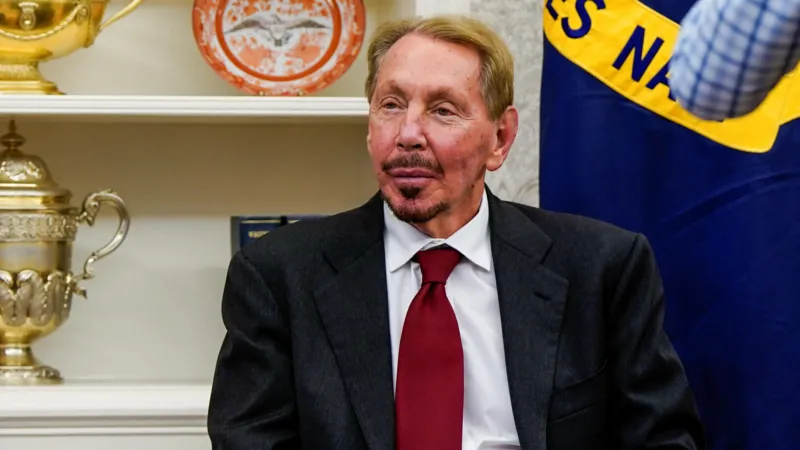
Ministers Hodgson and Dabrusin discuss Canada’s oil emissions cap in Winnipeg. Image: The Canadian Press
The federal government is in ongoing discussions with Alberta and major oil companies about the future of the country’s oil and gas emissions cap. Energy Minister Tim Hodgson spoke Friday in Winnipeg, stressing the need for meaningful reductions in oilsands emissions.
Hodgson did not clarify whether Ottawa intends to scrap the cap. However, he emphasized that both Alberta and industry agree a "fundamental change in the emissions intensity of the oilsands" is necessary.
When asked if Alberta had committed to reducing emissions in exchange for lifting the cap, Hodgson avoided a direct answer. He said Prime Minister Mark Carney is “focused on results, not objectives,” adding that the talks are “productive” and ongoing.
The minister highlighted the collaborative spirit of the discussions. “We should focus on the good things happening and the unity among all parties to develop resources responsibly,” he said, while declining to reveal further negotiation details.
Alberta Premier Flags Emissions Cap as a Major Barrier
Alberta Premier Danielle Smith described the emissions cap as one of the province’s biggest challenges. The oil sector plays a central role in Alberta’s economy, closely tied to government budgets.
Smith, referencing a meeting with Carney earlier this week, said the cap creates a “chicken and egg” problem for pipeline projects. Carney’s Major Projects Office could consider the Alberta-based Pathways Alliance carbon capture project, which might lead to a new “decarbonized” pipeline. However, no companies have formally committed yet.
“You won’t see proponents willing to pledge barrels to a new pipeline if the emissions cap forces them to shut in production,” Smith told CBC’s Power and Politics. She expressed confidence that progress would come before year-end.
The Premier also noted that the proposed 2030 timeline for the emissions cap is unrealistic. “You can’t just put a policy in place with no plan to achieve it,” she said. “The only way to meet it otherwise is to halt production or stop developing new energy, which makes no sense.”
Emissions Cap Critical for National Targets
Canada’s oil and gas industry contributes about one-quarter of the country’s greenhouse gas emissions. Achieving national climate targets depends heavily on reducing emissions from this sector.
Last year, the federal government announced an emissions cap designed to lower oil and gas emissions by 35 percent from 2019 levels. Critics, including Smith and federal Conservatives, argue the policy hinders investment and economic growth. They have called for its removal.
Federal Environment Minister Julie Dabrusin reaffirmed the government’s commitment to climate action. “We are in a very special moment, making sure we fight climate change and move toward net zero,” she said. The government continues to review feedback on emissions regulations.
Climate Advocates Warn Against Weakening Policy
Environmental groups have voiced concern over possible changes to the cap. Keith Stewart, a senior energy strategist with Greenpeace Canada, warned that retreating from climate policy would be a mistake.
“Oil and gas are the largest and fastest-growing source of emissions in Canada,” Stewart said. “There is no way to meet international climate commitments without addressing this sector. The emissions cap was designed to do exactly that.”
Stewart criticized the idea of a “grand bargain” where emissions per barrel are reduced while production increases. “At best, that maintains the status quo,” he said, urging the government to stay committed to meaningful climate action.