Former U.S. congressman George Santos, who was expelled from the House of Representatives, was seen leaving the Central Islip Federal Courthouse in New York on April 25 following his sentencing on criminal corruption charges. Reuters
U.S. President Donald Trump has commuted the seven-year prison sentence of former congressman George Santos, who had been serving time for fraud and identity theft. The president ordered Santos’ immediate release, saying the former lawmaker had been “horribly mistreated” in prison.
Santos, 36, was sentenced in April and began serving his sentence in July after admitting to falsifying donor names and inflating fundraising totals during his 2022 election campaign. The false figures helped him secure financial backing from the Republican Party as he ran for Congress in New York’s eastern suburbs.
A Career Filled with Controversy
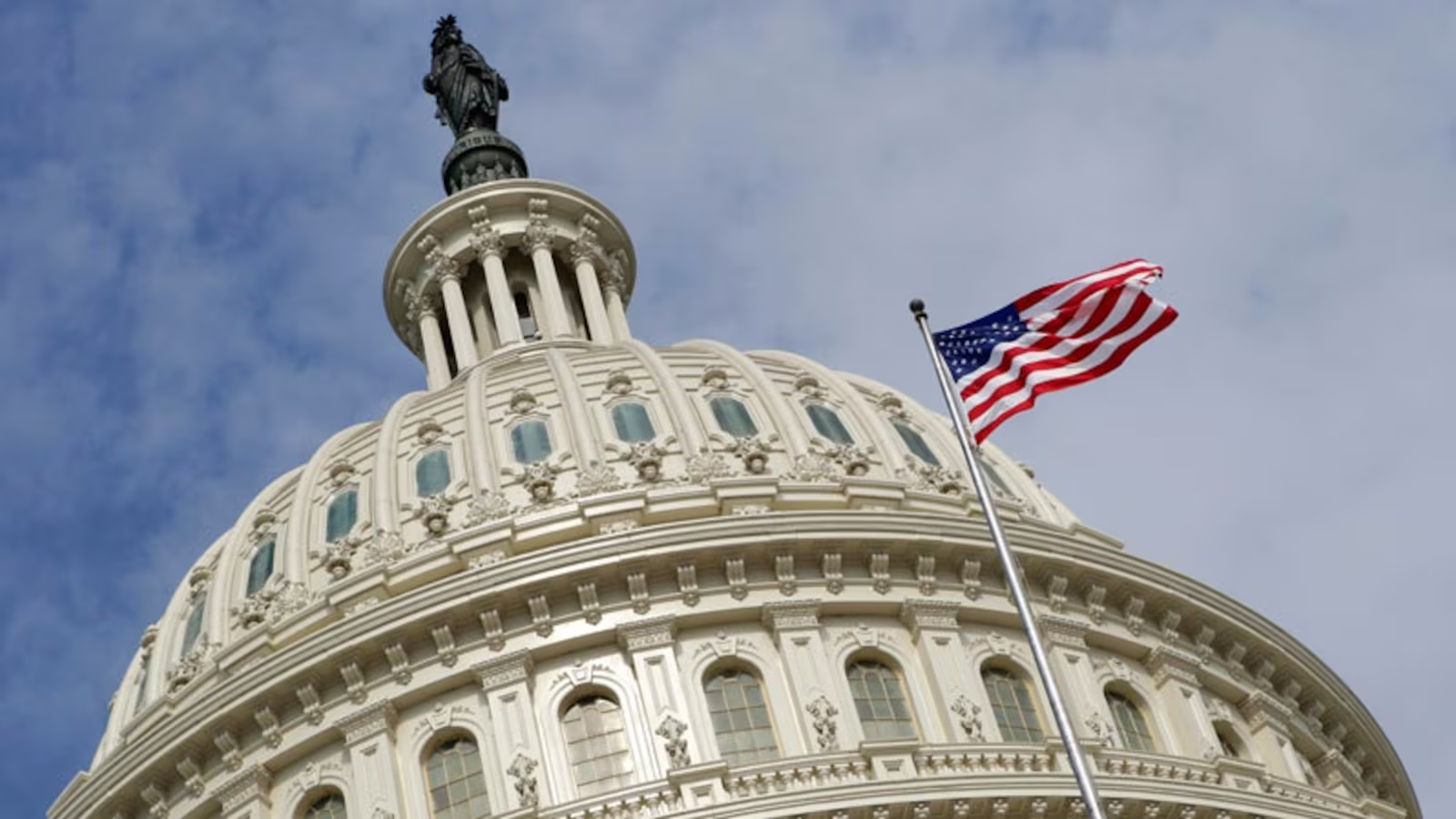
Santos’ short political career was marked by scandal and deception. He was expelled from Congress in December 2023, becoming only the sixth member ever removed from the U.S. House of Representatives. His expulsion followed criminal charges and a damning ethics investigation.
During his campaign, Santos made numerous false claims about his background, including attending New York University, working for Goldman Sachs and Citigroup, and having grandparents who fled the Nazis during the Second World War. None of these claims proved true, and public outrage grew as his lies came to light.
His brief time in Congress was chaotic. Many colleagues distanced themselves from him, and he became a regular target for late-night comedy shows.
Trump Defends His Decision
On Friday, Trump announced the commutation on his social media platform, calling Santos a “rogue” but insisting his punishment had been too harsh.
“George Santos was somewhat of a ‘rogue,’ but there are many rogues throughout our country who aren’t forced to serve seven years in prison,” Trump said. “Therefore, I just signed a commutation, releasing George Santos from prison immediately.”
The president’s decision follows a personal appeal from Santos earlier in the week. In a letter he described as a “passionate plea,” Santos praised Trump and asked for forgiveness. “I have made mistakes, and I have faced the consequences,” he wrote. “I take full responsibility and only ask for the opportunity to return to my family and community.”
Trump’s Use of Clemency Powers
Trump’s action continues a pattern of broad clemency during his presidency. Since returning to office, he has issued hundreds of pardons and commutations, often to political allies or high-profile figures.
On his first day back in office, Trump pardoned about 1,500 people charged in the January 6th, 2021 Capitol riot, calling them “patriots.” He has also granted clemency to figures from both major parties, including former Illinois governor Rod Blagojevich, former New York congressman Michael Grimm, and former Connecticut governor John Rowland.
Legal experts note that the U.S. Constitution gives presidents wide authority to pardon convictions or shorten prison sentences through commutations.
For now, Santos walks free, but his political future remains uncertain. While Trump’s decision brings him home, public trust — once lost — may be far harder to restore.