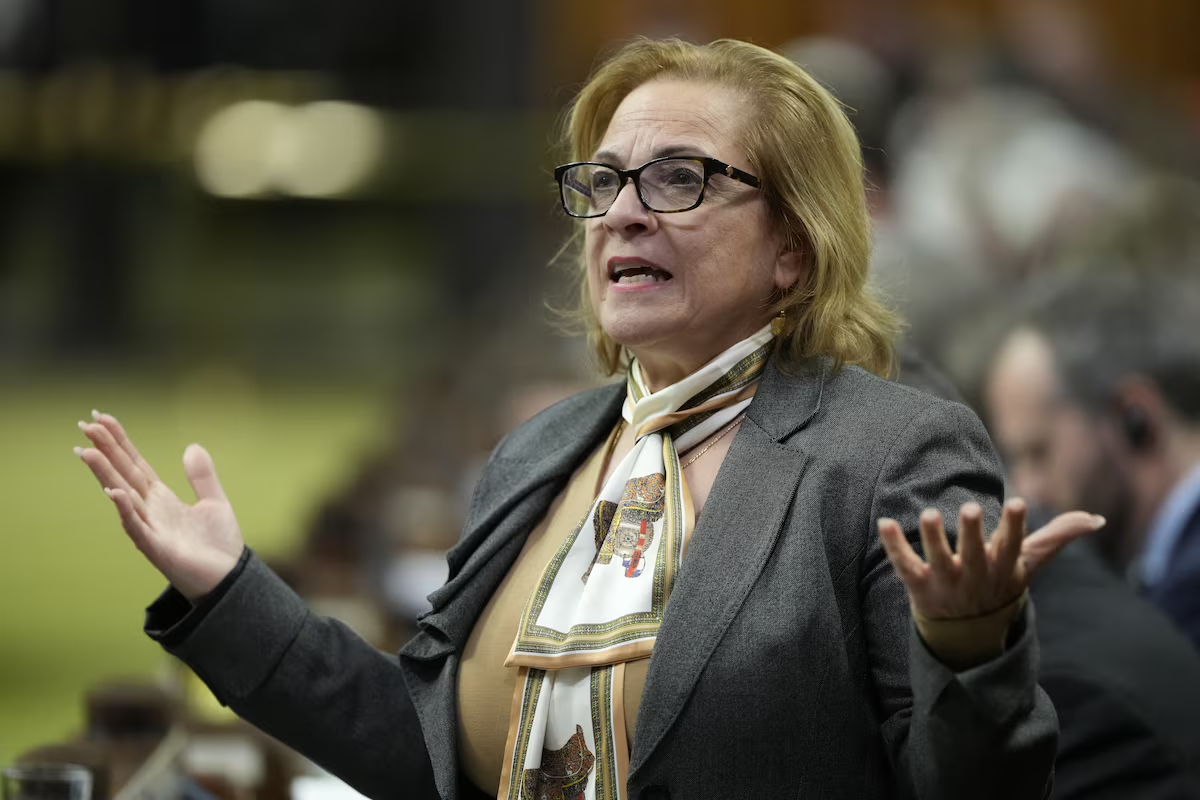
Immigration Minister Lena Diab takes part in Question Period on October 22, 2025. In an unexpected change, this year’s immigration levels plan was presented by Finance Minister François-Philippe Champagne rather than by Diab herself, marking a rare shift in how the federal government unveiled its immigration targets. The Canadian Press
The federal government will give permanent residency (PR) priority to foreigners already living in Canada, rather than applicants applying from abroad. Immigration Minister Lena Diab announced the policy shift as part of the federal government’s new three-year immigration plan.
According to the new plan, the number of permanent residents will remain at 380,000 per year for the next three years. However, an additional 148,000 people will receive permanent residency through special programs between now and 2027.
This includes about 115,000 refugees and 33,000 temporary workers who will gain PR status over the next two years.
A focus on easing pressure
Minister Diab said the government wants to help those already contributing to Canadian society become permanent residents. She explained that prioritizing people already living, working, and studying in Canada will “help ease pressure on infrastructure and social services.”
About half of all permanent residents each year are already in the country, many holding work permits or study visas.
The government also plans to halve international student admissions over the next three years while keeping PR levels steady. Diab’s announcement follows this week’s federal budget, which introduced major immigration and spending changes.
Finance Minister leads announcement
Unusually, the immigration levels plan was unveiled by Finance Minister François-Philippe Champagne, rather than the Immigration Minister. Speaking in Montreal, Champagne said many temporary residents have lived in Canada for years and deserve stability.
“You’re no longer really temporary if you’ve been here five years and your kids are in high school,” he said. “We need to give them a clear path to permanent residency.”
The government also intends to focus on the labour needs of smaller communities and rural areas through the temporary foreign worker program.
Economic experts weigh in
Economist Henry Lotin, an immigration policy specialist, said the move makes financial sense. He explained that newcomers who have already lived in Canada often do better economically after receiving permanent residency.
“People who are already working or studying here tend to earn more after they become permanent residents,” Lotin said. “They also don’t strain housing, health care, or infrastructure the way new arrivals might.”
Lotin warned, however, that excluding short-term foreign workers from immigration statistics could make it harder to plan for housing and social needs.
Major reductions in temporary residents
The plan will sharply reduce the number of temporary residents allowed into Canada, including international students. The total will drop from 673,650 in 2025 to 385,000 next year, and down again to 370,000 by 2028.
Meanwhile, the number of temporary foreign workers will fall from 82,000 this year to 50,000 by 2027. Seasonal workers, such as farm employees who stay less than 270 days, won’t count toward those totals.
Mixed reactions to the new policy
Refugee advocates welcomed the decision to grant permanent residency to thousands of refugees waiting in Canada. Gauri Sreenivasan, co-executive director of the Canadian Council for Refugees, called it “hugely overdue.”
“It will finally allow many families to reunite,” she said, noting that over 150,000 refugees are still waiting for permanent status.
But others criticized the plan. NDP immigration critic Jenny Kwan said cutting international student numbers is a mistake. She argued that the decision would hurt universities, colleges, and the local economies that depend on them. “This plan represents a disappointing retreat from Canada’s tradition of openness and inclusiveness,” Kwan said.