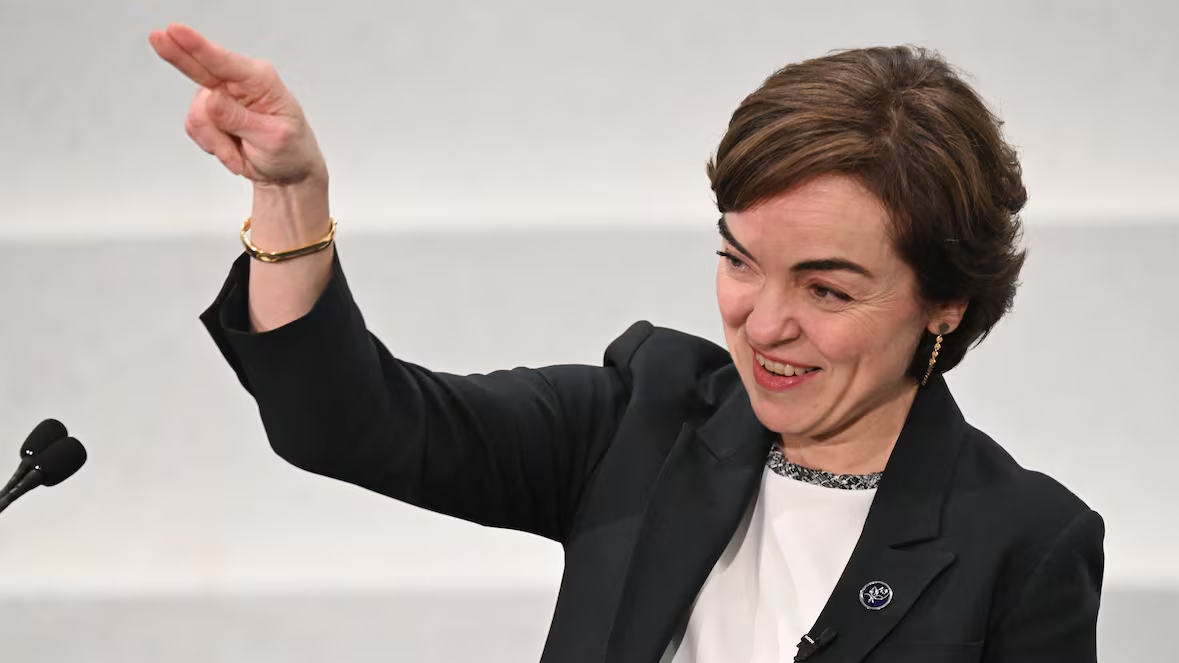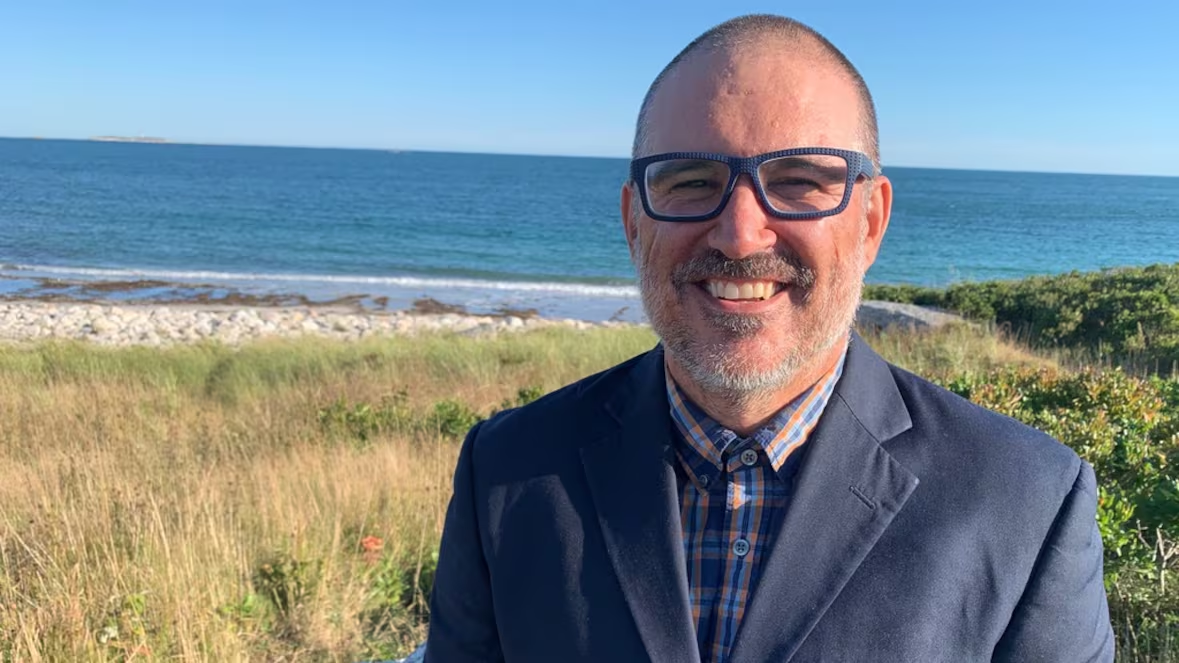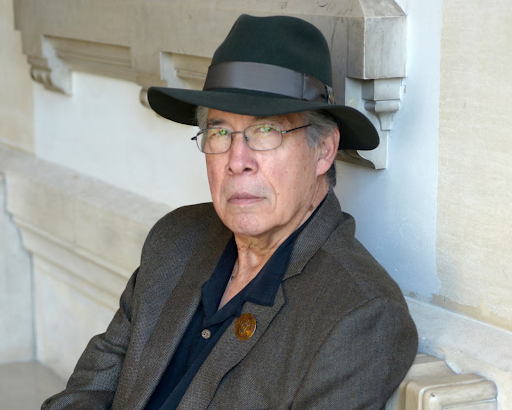
Well-known Canadian writer Thomas King says a genealogist found no trace of Cherokee ancestry in his family history. Getty Images
Canadian-American writer Thomas King says he learned that he has no Cherokee ancestry, despite believing for most of his life that he did. The discovery came after years of quiet rumours in arts and Indigenous circles that questioned his background. King says the news struck him deeply and forced him to rethink a story he accepted since childhood.
Meeting with a fraud-investigation group
In mid-November, King met online with members of the Tribal Alliance Against Frauds, a North Carolina group that investigates false claims of Indigenous identity. King says this group shared concerns about his ancestry and asked a genealogist to examine his family history.
The genealogist told King that she found no trace of Cherokee ancestry on either his mother’s or father’s side. King says he accepts the findings. He shared his reaction in a personal essay and wrote, “It’s been a couple of weeks since that video call, and I’m still reeling. At 82, I feel as though I’ve been ripped in half, a one-legged man in a two-legged story. Not the Indian I had in mind. Not an Indian at all.”
Long career shaped by Indigenous issues
King was born in California and moved to Canada in 1980. He began teaching Indigenous studies at the University of Lethbridge. Over the years, he became one of the country’s most recognized voices on Indigenous issues. His writing often explored the struggles and history of Indigenous peoples. His works gained praise for their honesty and sharp humour.
He wrote several books that reached readers across Canada, including The Inconvenient Indian, which won a major non-fiction award in 2014. In 2020, he received a national humour award for Indians on Vacation. That same year, he became a companion of the Order of Canada, noted for work that shaped the country’s understanding of Indigenous history.
King reflects on family stories
King says he grew up with a story that his father, Robert King, was not his biological parent. He long heard that his grandfather was Elvin Hunt, a man believed to have Cherokee roots. Because of this, King believed he had mixed Cherokee ancestry. He says he never tried to mislead anyone and always acted on the belief that the family story was true.
The genealogist’s findings did not support the story. King acknowledges the result and says he understands why clearer information matters.
Award return and personal response
In an interview, King said he plans to return the National Aboriginal Achievement Award, which he received in 2003. “The rest of my awards are based on my writing, not my ethnicity,” he said.
King also wrote about the suggestion that he should apologize. He said he does not see his situation as a wrongdoing, since he believed the family story. But he added that hiding the findings now would raise fair questions.
Growing scrutiny in public life
King’s situation follows other high-profile cases where people had their claimed Indigenous ancestry challenged. Many public institutions now examine identity claims more closely to prevent misuse.
King says he plans to keep writing and remains committed to the stories and issues that shaped his long career.