Federal workers now receive letters outlining early retirement choices as the government moves to reduce the size of the public service. CTV News
The federal government now reaches out to thousands of public servants as it prepares to shrink the size of the public service. Letters with early retirement details are going to about 68,000 employees who may qualify for a new voluntary program. Officials say the goal is to reduce staff through natural departures rather than force cuts on younger workers.
Ottawa aims to lower the number of public service positions by about 40,000 from the high point of 368,000 recorded in 2023–24. Roughly 10,000 roles already disappeared over the past year through attrition and other staffing changes.
Early Retirement Plan Explained
The new program offers eligible employees the chance to retire earlier than usual and avoid a pension penalty. A digital letter shared with media states that employees do not need to take any action right now. The letter also notes that the program will apply only to certain workers who meet the Treasury Board’s criteria.
“These parameters would be designed to maintain essential services and business continuity,” the letter explains. This means not all applications will be approved. The government wants to ensure that core operations continue without disruption.
The budget sets January as the earliest possible launch date. However, the program still needs legislation before anything moves ahead.
Program Timelines and Conditions
If the legislation passes, workers will have 120 days from January 15, 2026, to apply. If the law comes into force later, the 120-day window will start from that date instead. Employees who get approval must retire within 300 days.
Officials say more information about eligibility, timelines, and the application process will be released later. Every worker who qualifies will receive a letter directly.
Treasury Board spokesperson Mohammad Kamal said departments plan to rely on voluntary exits as much as possible. He added that managers continue to reassign employees when they can to avoid layoffs.
Union Voices Concern
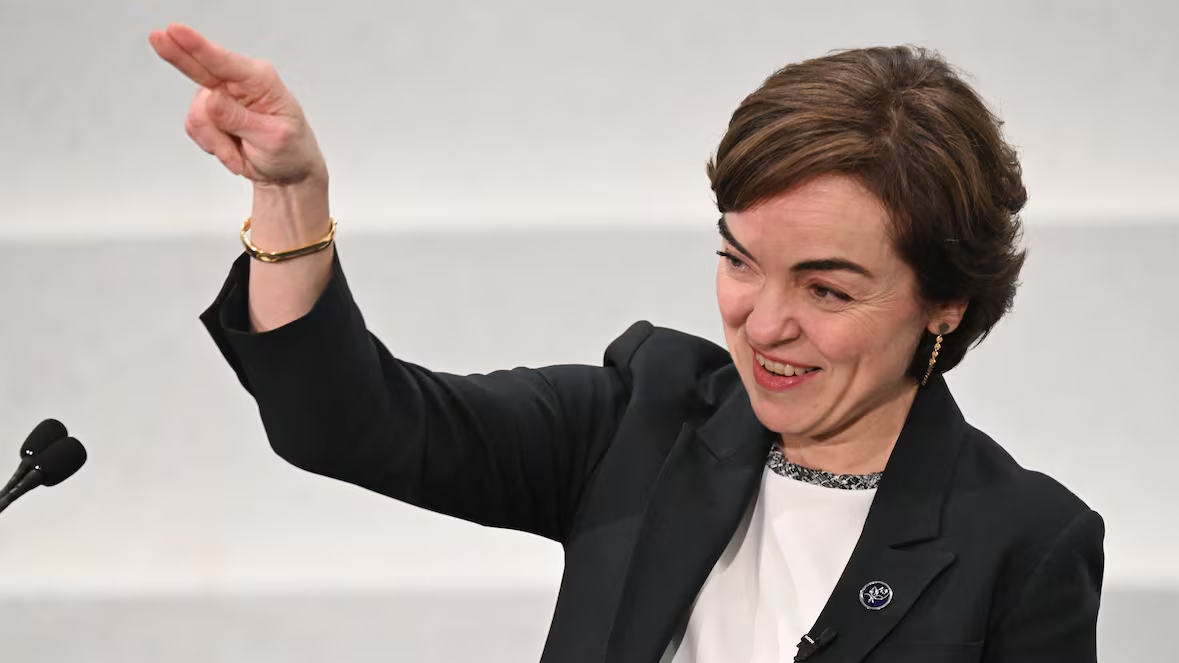
Union leaders raise questions about the plan’s impact. Public Service Alliance of Canada president Sharon DeSousa said many members may not choose early retirement due to the high cost of living. She added that the government has not shared full program details and warned that leaving early could mean giving up a lump-sum payment tied to years of service.
“That’s real money owed to workers under the collective agreement that this government seems to be trying to bypass,” she said.
DeSousa urged members to speak with union representatives before making any decision. She stressed that no worker should feel pressured into leaving. She also noted that the union expects full consultations and will defend protections set out in the collective agreement.
Wider Reactions in the Public Service
Nathan Prier of the Canadian Association of Professional Employees said younger workers will pay into the pension plan for years and cover part of the program’s cost. He argued that the government needs proper consultation and careful planning. Prier said his union supports voluntary departure options, but only through a clear and fair process.
For now, the government continues to focus on early exits, internal reassignments, and long-term staffing adjustments as it works to reduce the size of the public service.