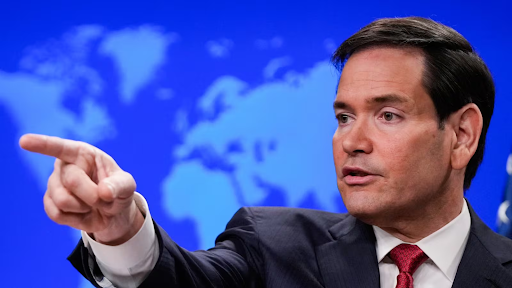
U.S. Secretary of State Marco Rubio addresses reporters during a news briefing at the State Department in Washington on Friday, Dec. 19, 2025. AP Photo
The Trump administration has expanded a policy that requires travellers from certain countries to pay large bonds before they can apply for a U.S. visa. The change adds seven more countries to the list, pushing the total to thirteen. For many applicants, the added cost places U.S. travel out of reach.
The policy affects people who want to visit, study, or work in the United States. Applicants from listed countries must now post a bond that can reach as high as US$15,000 before officials even review their visa requests.
Seven New Countries Added
The U.S. State Department quietly updated the list late last week. The newly added countries include Bhutan, Botswana, the Central African Republic, Guinea, Guinea-Bissau, Namibia, and Turkmenistan. The change took effect on Jan. 1, according to a notice posted on the government’s travel website.
Five of the seven newly listed countries sit in Africa. With this update, all but two countries on the list now come from the African continent. Many critics say the rule creates financial barriers that most applicants from these nations cannot overcome.
Bond Amounts Remain High
Under the rule, applicants must pay a bond ranging from US$5,000 to US$15,000. U.S. officials say the bond helps ensure travellers follow visa rules and leave the country on time. Authorities argue that the financial commitment reduces the risk of people overstaying their visas.
However, paying the bond does not guarantee approval. Applicants still must meet all visa requirements. If officials deny a visa, they return the bond. Officials also refund the money once a visa holder proves they followed the terms of their stay.
Part of Broader Entry Controls
The expanded bond rule fits into a wider push to tighten entry rules. The administration has already required in-person interviews for most visa applicants. Authorities also now ask travellers to share years of social media activity and detailed personal histories, including past travel and living arrangements for themselves and family members.
Supporters of the policy say these steps strengthen border controls. Critics argue the measures discourage legal travel and unfairly target certain regions.
Earlier Additions Set the Stage
The newly added countries join six others placed under the bond rule last year. In August and October, the U.S. added Mauritania, Sao Tome and Principe, Tanzania, Gambia, Malawi, and Zambia to the list. Together, these additions marked a major shift in how the U.S. handles visa applications from selected nations.
Travel advocates warn that the policy limits cultural exchange and business ties. They say many qualified applicants cannot afford the upfront cost, even though they intend to follow all visa rules.
Uncertain Impact Ahead
The administration has not said whether it plans to add more countries. For now, people from the listed nations face higher costs and more hurdles when applying for U.S. visas. As the list grows, observers expect further debate over fairness, access, and the long-term impact on international travel.