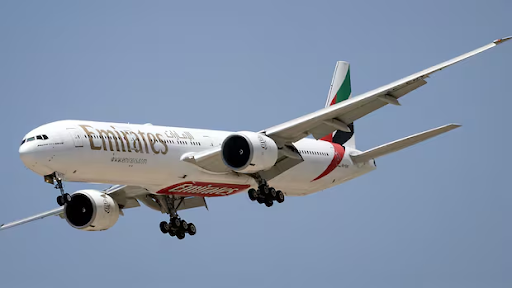
As the federal government eases restrictions on the amount of flights from the Middle East, experts say Canadian airlines may face pressure to upgrade their planes and service level to stay competitive.
Canadian airlines are heading into a more competitive era.
Ottawa has decided to open the skies wider to airlines from the Middle East.
The move could reshape services, pricing, and passenger expectations across Canada.
The federal government is easing flight limits for carriers from Saudi Arabia and the United Arab Emirates.
Those restrictions were once tightened after diplomatic disputes.
Now, they are being rolled back as Canada repositions its global trade strategy.
Canadian Airlines Under Fresh Pressure
Aviation experts believe Canadian airlines will feel immediate pressure.
Middle East carriers are globally admired for comfort, service, and onboard luxury.
That reputation could shift customer expectations in Canada.
John Gradek, an aviation management lecturer at McGill University, sees challenges ahead.
He says Canadian airlines must raise service standards to stay competitive.
That includes aircraft upgrades, better cabin layouts, and stronger customer service.
According to Gradek, the change affects major players.
Air Canada, WestJet, and Air Transat may all feel the heat.
Passengers will compare experiences more closely than ever.
Why Middle East Airlines Stand Out
Airlines like Emirates are famous for premium travel experiences.
Their first-class suites and onboard showers dominate social media.
Influencers have helped amplify their global appeal.
These airlines invest heavily in premium cabins.
Profits from luxury seats often offset economy ticket losses.
This allows them to offer competitive prices across all classes.
Gradek believes Canadian airlines cannot easily match this model.
The economics are simply different.
Middle East carriers rely on global hubs and long-haul connections.
A History of Tense Aviation Relations
Canada once blocked flight expansions from the U.A.E. in 2010.
The goal was to protect domestic airlines.
Air Canada argued foreign carriers gained more than Canadians did.
The decision triggered diplomatic retaliation.
Canada lost access to a key military logistics base abroad.
Relations cooled for years afterward.
Saudi Arabia also suspended flights to Canada between 2018 and 2023.
That followed Canada’s public criticism of Saudi human rights practices.
Flights only resumed after relations slowly improved.
Ottawa’s New Strategy Takes Shape
Prime Minister Mark Carney is now pushing a global reset.
His government wants to reduce reliance on the United States.
Diversifying trade routes is a key priority.
Carney visited the U.A.E. in November.
The trip secured a $70-billion investment commitment for Canada.
It also signaled warming diplomatic ties.
Soon after, Transport Minister Steven MacKinnon announced expanded air agreements.
Saudi Arabia can now operate up to 14 weekly passenger flights to Canada.
The previous limit was four.
Flights from the U.A.E. will rise to 35 per week.
That is up from a maximum of 21.
Cargo flights from both countries will face no limits.
Who Gains the Most?
The agreement is reciprocal on paper.
Canadian airlines can add the same number of flights eastward.
However, experts question the balance.
Gradek believes Middle East carriers gain more access to global markets.
They can funnel Canadians through hubs like Dubai.
From there, passengers reach Asia, Africa, and the Indian subcontinent.
Canadian airlines mainly route passengers onward to the United States.
That market is smaller in global reach.
As a result, foreign airlines may dominate long-haul growth.
How Canadian Airlines Are Responding
Air Canada insists it remains competitive globally.
The airline points to its partnership with Emirates.
That deal allows shared ticketing and loyalty benefits.
In November, both carriers extended their partnership until 2032.
Passengers can earn and redeem points across networks.
Routes beyond Dubai are also included.
WestJet and Air Transat have not commented publicly.
Their response strategy remains unclear.
Industry watchers expect gradual adjustments rather than rapid change.
What This Means for Passengers
For travelers, competition could bring better options.
Service quality may improve across Canadian airlines.
Pricing dynamics could also shift.
Ottawa says the goal is broader connectivity.
Expanded routes support trade, tourism, and global ties.
The skies above Canada are becoming more crowded.
And for Canadian airlines, standing still is no longer an option.