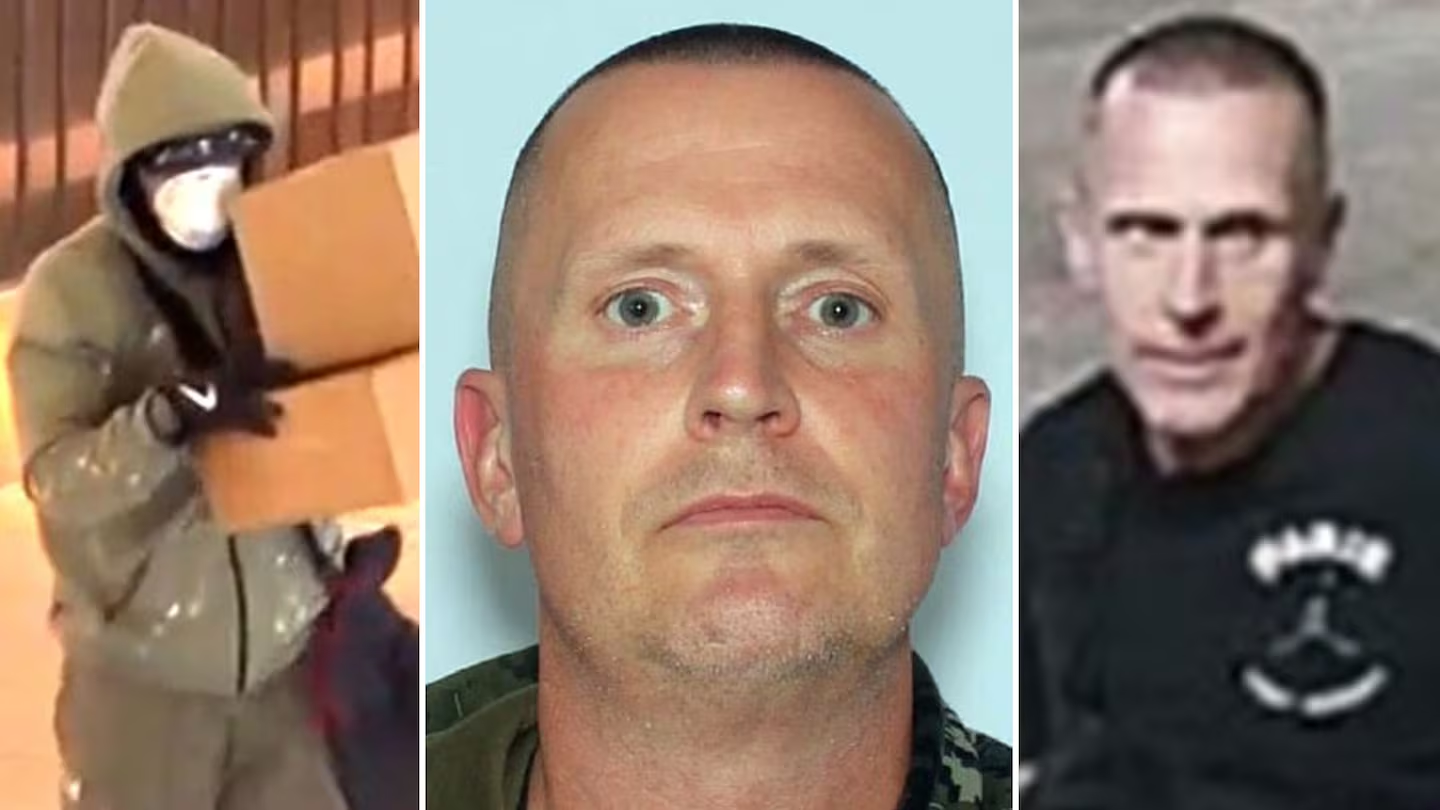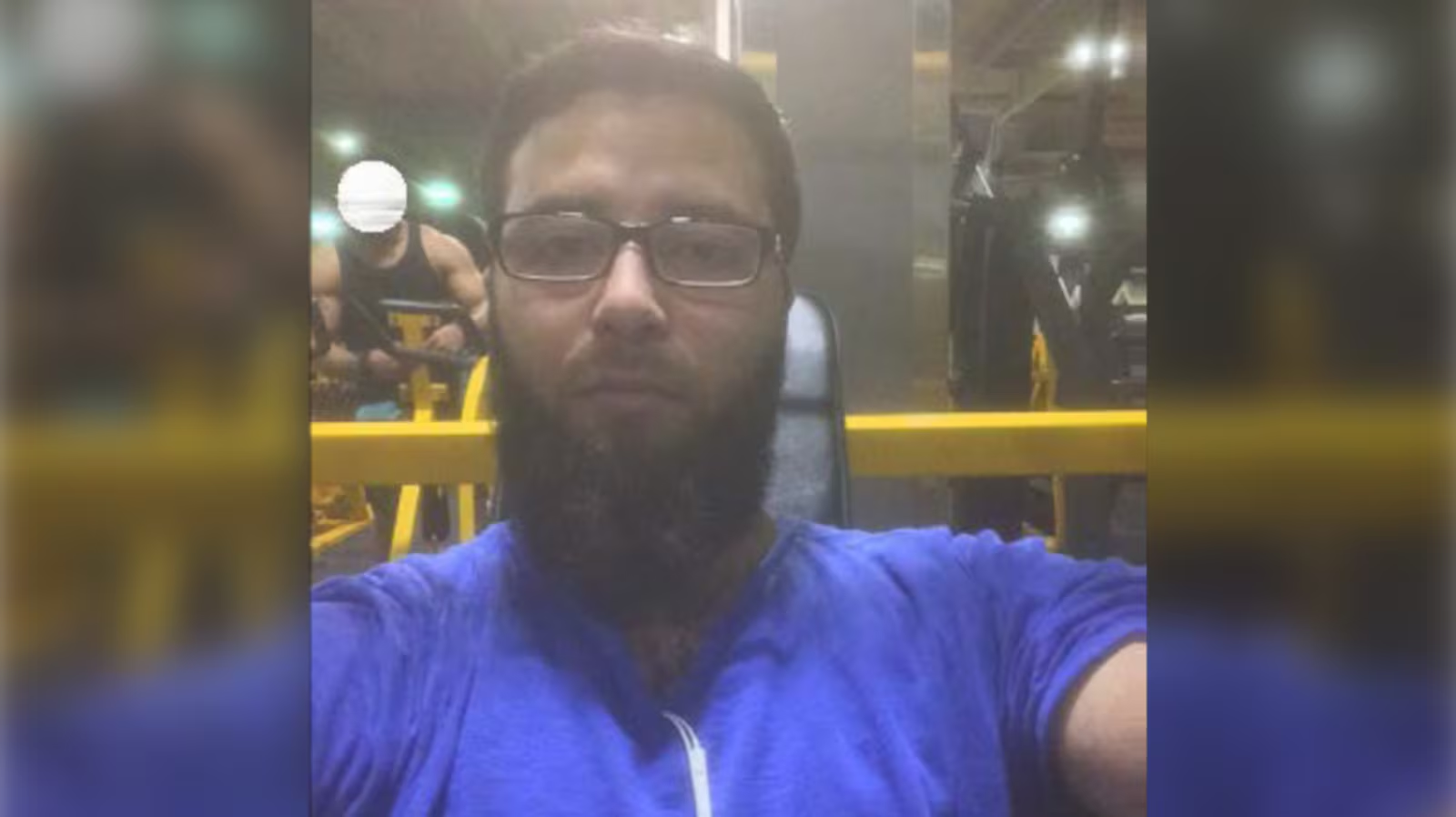
Jamal Borhot faces three criminal charges for taking part in the activities of a terrorist organization, according to court records. AP Photo
A Crown prosecutor has asked a judge to send a Calgary man to prison for 16 years after his conviction for working with the Islamic State group in Syria more than a decade ago. The request came during a sentencing hearing in Calgary, where the defence argued for a shorter 12-year term.
Jamal Borhot, now 35, faced three counts related to taking part in a terrorist group. A judge found him guilty in December for helping the activities of Islamic State during 2013.
Travel to Syria and return home
Court heard that Borhot travelled to Syria with his cousin after entering the country through Turkey. His cousin, Hussein Borhot, admitted guilt in a separate case and received a 12-year prison sentence in 2022.
Justice Corina Dario ruled that Jamal Borhot took part in violent acts, helped recruit others, and worked in administrative roles for the group. Borhot returned to Calgary after about one year overseas.
The court has scheduled sentencing for February 4.
Crown calls for strong message
During Friday’s hearing, Crown prosecutor Kent Brown said the court should impose a longer sentence than the one given to Borhot’s cousin. He argued that Borhot planned the trip himself and tried to hide his movements.
“The focus remains deterrence and denunciation and that is largely due to the pernicious nature of terrorism offences. Anyone who engages in those activities should expect a significant sentence as a result,” Brown told the court.
Brown said Borhot’s actions created a serious risk of harm.
“There was real risk of serious harm caused by the offender’s conduct. I submit that’s without question here, given his involvement in battles in Syria.”
Outside the courtroom, Brown said investigators faced major challenges because the events happened years ago and overseas.
“It’s a cold case that happened in a country half way around the world,” he said.
Defence urges lighter sentence
Defence lawyer Pawel Milczarek asked the judge to limit the sentence to 12 years. He said Borhot has lived quietly since returning to Canada and has stayed out of trouble.
Milczarek argued that Borhot became radicalized at the time and believed he was travelling to fight the Syrian government, which he thought was killing civilians.
“Mr. Borhot was motivated by this purpose to travel to Syria. He found the wrong group to fight with,” Milczarek said.
He also urged the court to consider the timing of Borhot’s involvement.
“With 20/20 hindsight, we can all identify that ISIS became a violent terrorist organization after Mr. Borhot left Syria. We should not harshly punish Mr. Borhot for making a mistake with imperfect information.”
Borhot did not speak during the hearing.
Judge to decide next steps
The case now rests with the judge, who will decide whether to follow the Crown’s request or the defence’s recommendation. The sentence will determine how Canada continues to deal with citizens who joined extremist groups abroad and later returned home.