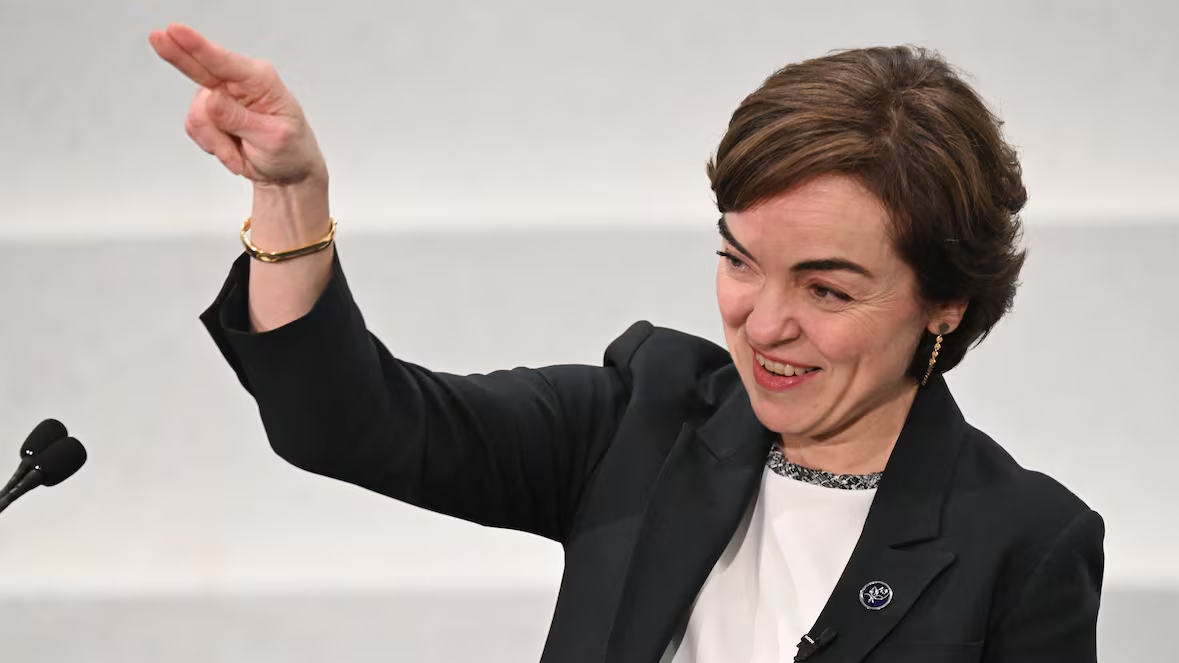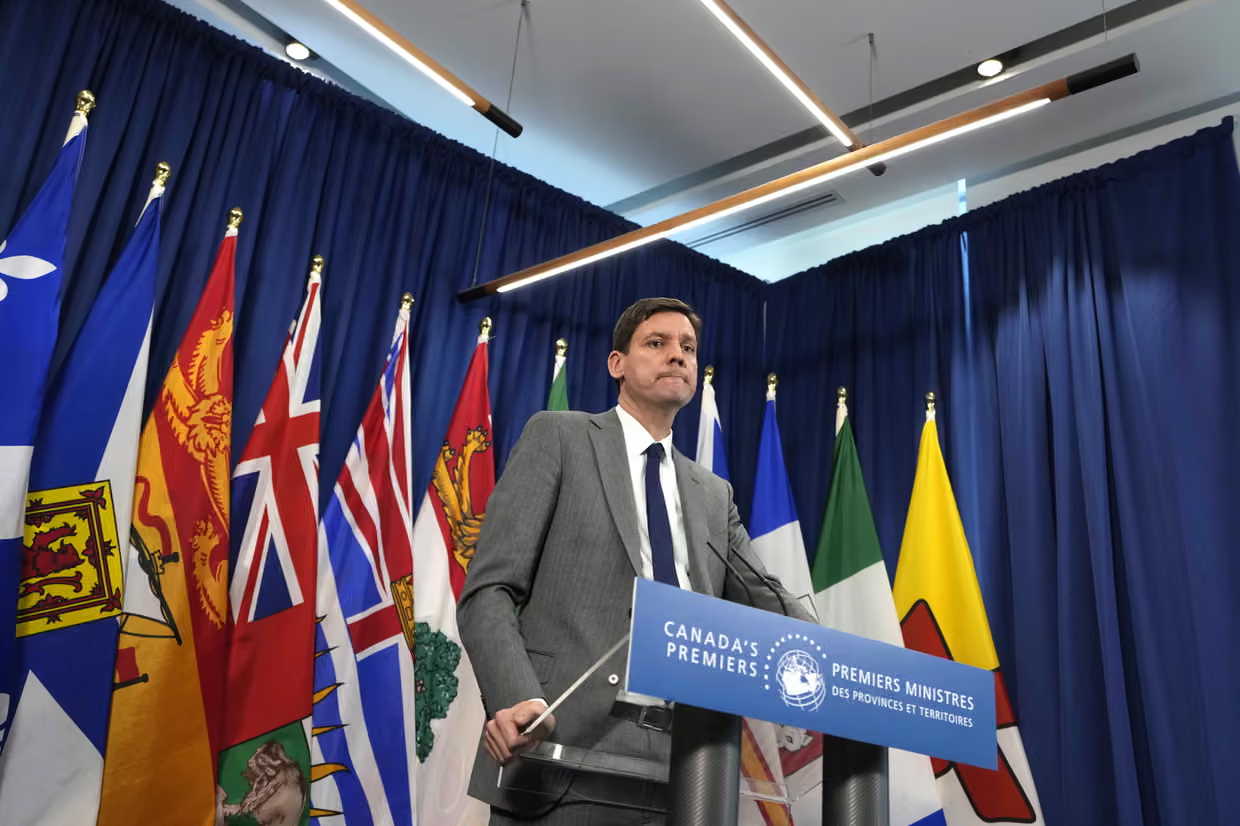
British Columbia Premier David Eby speaks during a Council of the Federation meeting held in Ottawa on January 28. The Guardian
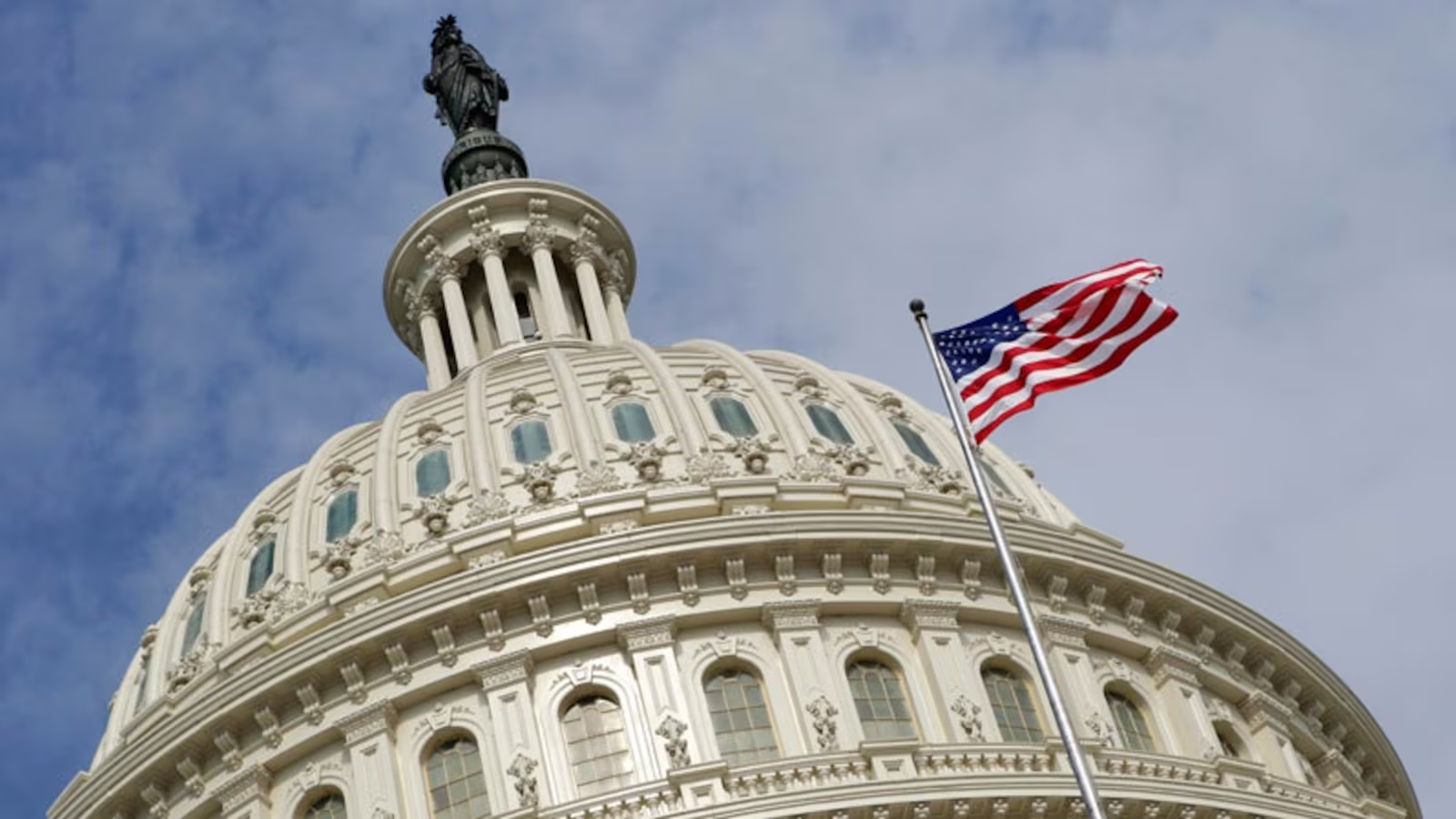
Allegations of secret meetings between Alberta separatist activists and officials from the United States have sparked sharp criticism from Canadian leaders. The issue came to light after reports revealed that members of the independence movement held private discussions with representatives linked to former U.S. president Donald Trump’s administration.
David Eby, the premier of British Columbia, responded strongly, calling the actions unacceptable.
“To go to a foreign country and to ask for assistance in breaking up Canada, there’s an old-fashioned word for that – and that word is treason,” Eby told reporters.
Leaders warn against foreign involvement
Eby said Canadians have the right to express political views but drew a clear line at seeking outside help to divide the country.
“It is completely inappropriate to seek to weaken Canada, to go and ask for assistance, to break up this country from a foreign power and – with respect – a president who has not been particularly respectful of Canada’s sovereignty,” he said.
The meetings reportedly involved far-right activists from Alberta who support separation from Canada. The group has grown louder in recent months, even though it still represents a small portion of the province’s population.
Push for independence gains attention
Some supporters of Alberta independence argue the province suffers under federal policies, especially around energy development and payments to Ottawa. Alberta holds large oil and gas reserves, and critics claim the province cannot fully benefit from them.
Organizers of the movement now seek enough signatures to force a referendum. They must gather close to 178,000 names in the coming months. The group has also openly discussed asking the U.S. government for a $500-billion credit line to help fund a new country if voters support separation.
Eby said he plans to raise the issue with other provincial leaders.
“I think that while we can respect the right of any Canadian to express themselves to vote in a referendum, I think we need to draw the line at people seeking the assistance of foreign countries to break up this beautiful land of ours,” he said.
Pressure mounts on Alberta government
Alberta Premier Danielle Smith has rejected calls for separation and said she supports a strong Alberta within Canada. Still, critics say her government recently lowered the threshold to launch referendum petitions, making it easier for separatist groups to act.
Doug Ford urged Smith to speak out more forcefully. He said she needs “to stand up [to the separatists] and say enough is enough”.
U.S. comments raise concerns
Last week, U.S. Treasury Secretary Scott Bessent appeared to support the separatists during an interview.
“They have great resources. Albertans are a very independent people,” he said. “Rumour [is] that they may have a referendum on whether they want to stay in Canada or not … People are talking. People want sovereignty. They want what the US has got.”
Indigenous leaders and experts warn
Indigenous leaders in Alberta have warned that any separation effort must include treaty holders, whose agreements predate the province itself. They also raised concerns about foreign interference.
Researcher Thomas Homer-Dixon warned that outside influence could destabilize Canada.
“We need to be planning right now to neutralize this kind of activity,” he said. “The reality is, right now, we’re just sleepwalking into it.”