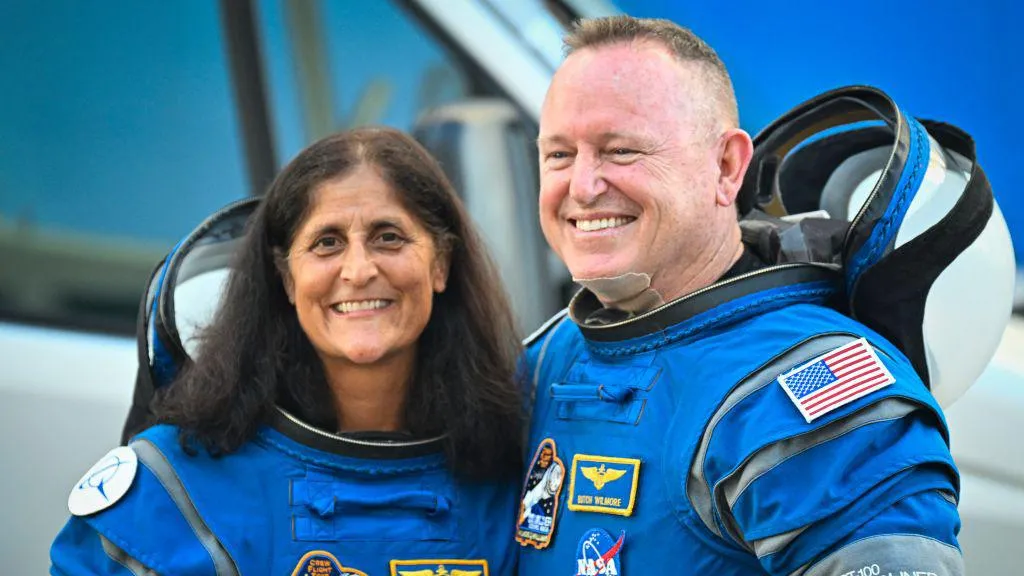
NASA astronauts Suni Williams and Butch Wilmore remained in space for more than nine months after their mission encountered unexpected delays. Getty Images
NASA has classified the failed 2024 Boeing Starliner mission as a “Type A” mishap, the most serious category in the agency’s system. The decision places the incident in the same classification level as the fatal Challenger and Columbia shuttle disasters.
The mission drew worldwide attention after two astronauts remained in space for more than nine months due to technical problems with the spacecraft. The test flight, originally planned to last between eight and 14 days, turned into a lengthy stay aboard the International Space Station.
NASA chief criticizes leadership
NASA Administrator Jared Isaacman addressed the findings this week and criticized both Boeing and the agency itself. He pointed to poor judgment and weak leadership as key reasons the mission failed.
"We are correcting those mistakes. Today, we are formally declaring a Type A mishap and ensuring leadership accountability so situations like this never reoccur."
NASA reserves the “Type A” label for incidents that result in losses exceeding $2 million, the destruction or loss of control of a spacecraft, or deaths. Although no one suffered injuries during the Starliner mission, the agency said the situation carried serious risk.
"While there were no injuries and the mission regained control prior to docking, this highest-level classification designation recognises there was potential for a significant mishap."
Independent investigation reveals problems
NASA ordered an independent review after the mission ran into trouble. The 312-page report identified hardware breakdowns, engineering shortcomings, and leadership failures at both Boeing and NASA.
Investigators found that engineers overlooked warning signs and accepted technical concerns without fully resolving them. The report also pointed to cultural issues within the organizations that affected safety decisions.
Boeing built the Starliner spacecraft, but NASA approved it for launch and sent two astronauts on board. Isaacman stressed that responsibility does not rest with one party alone.
"While Boeing built Starliner, Nasa accepted it and launched two astronauts to space," Isaacman said.
Astronauts stranded for months
Test pilots Suni Williams and Butch Wilmore remained aboard the International Space Station far longer than expected while officials worked through technical concerns. A SpaceX flight eventually returned them to Earth in March 2025.
Both astronauts have since retired from NASA.
The prolonged mission raised questions about decision-making and safety oversight. Isaacman said transparency remains essential as NASA works to prevent similar problems in future flights.
"To undertake missions that change the world, we must be transparent about both our successes and our shortcomings. We have to own our mistakes and ensure they never happen again."
NASA confirmed it accepts the investigation’s findings and has begun corrective steps to address the concerns outlined in the report.
The agency now faces renewed pressure to strengthen oversight and restore confidence in its commercial partnerships as it prepares for future missions.