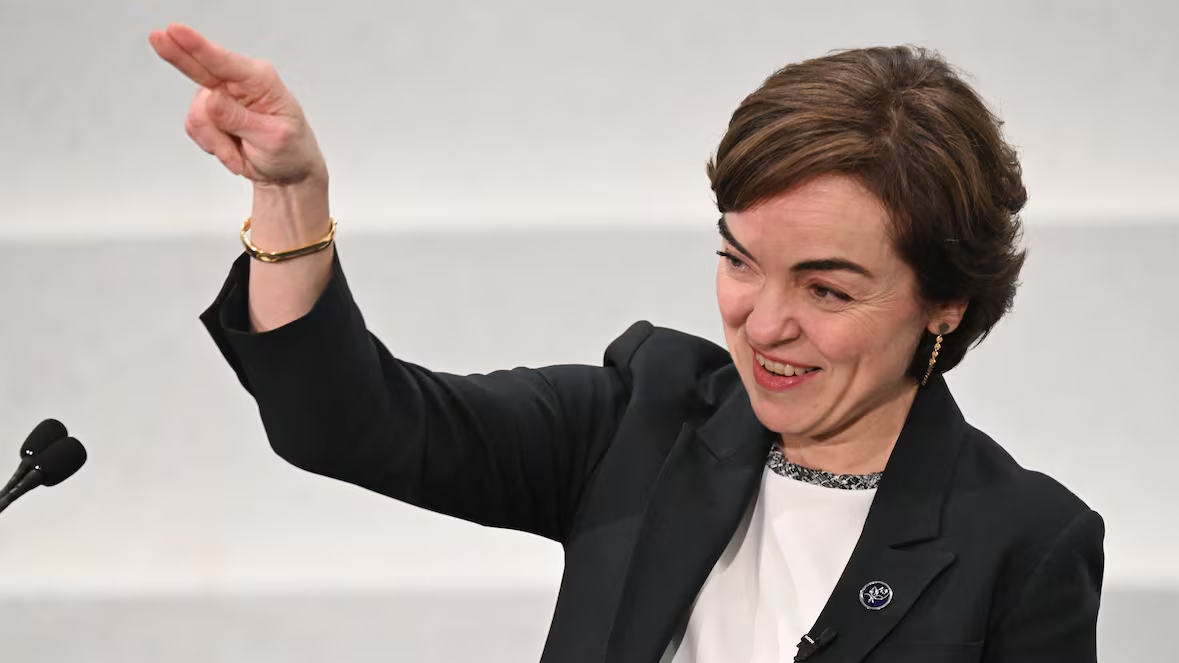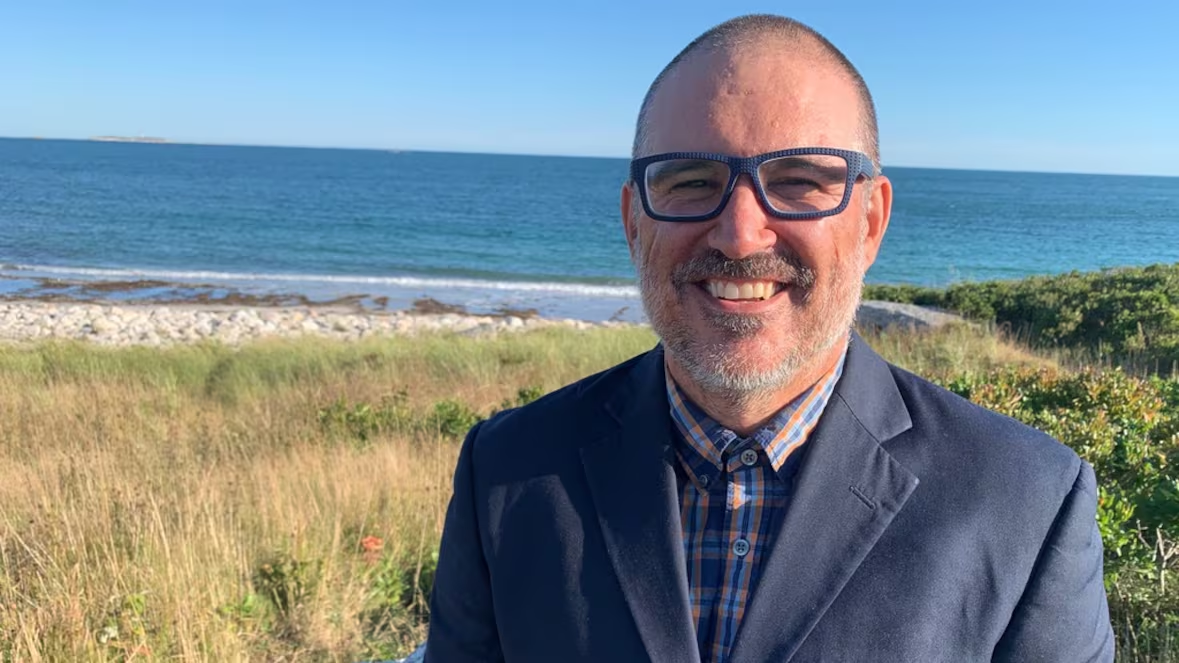
Darryl Leroux is an associate professor of political studies at the University of Ottawa. (Photo Credit: CBC News)
A legal dispute involving academic research on Indigenous identity has entered a new phase, as Darryl Leroux moves to appeal a defamation ruling issued earlier this year. The case, which has sparked wider debate on academic freedom and accountability, is now set to be reviewed by a higher court.
Leroux, an associate professor at the University of Ottawa, has filed a Notice of Appeal with the Saskatchewan Court of Appeal, challenging a March decision that ruled in favour of Michelle Coupal.
Background of the Case
The dispute centers on statements made by Leroux between 2021 and 2022 regarding Coupal’s Indigenous identity. Leroux’s research focuses on what he describes as false claims to Indigenous identity, and he operates a platform examining such cases.
Coupal, an associate professor at the University of Regina and a Canada Research Chair in Truth, Reconciliation, and Indigenous Literatures, filed a defamation lawsuit over those statements.
At the time of the dispute, she was associated with a community identifying as part of the Algonquins of Ontario, which does not hold federal recognition.
Court Ruling and Damages
In March, a Saskatchewan court ruled in Coupal’s favour, awarding her $70,000 in damages. The judgment did not hinge on Leroux’s questioning of her Indigenous identity itself, but rather on claims that she had committed fraud.
The distinction proved central to the ruling, as the court determined that those allegations crossed into defamation.
Ongoing Debate Around the Decision
The case has triggered broader discussion within academic and public circles. Some observers view the ruling as a justified protection against harmful allegations, while others have raised concerns about its potential impact on scholarly research.
Critics argue that such decisions could discourage academics from investigating sensitive topics, particularly those related to identity and historical claims.
Legal Positions on the Appeal
Leroux has stated that the appeal process is already underway and is expected to move quickly. According to him, the case is on an expedited timeline, with a hearing likely to take place within the next six months.
His lawyer, Paul Champ, described the matter as significant and indicated confidence in the arguments to be presented before the appellate court.
On the other side, Coupal’s legal team, led by Paul Harasen, maintains that the original decision was legally sound. They have expressed confidence that the appeal will not succeed.
Disputed Identity Claims
The case is also linked to a longer-standing dispute over ancestral claims. In 2023, a tribunal associated with the Algonquins of Ontario reviewed and removed a contested ancestor from its official list.
This development added complexity to the broader conversation surrounding identity verification and community recognition.
What Happens Next
The next stage of the process will involve both parties submitting detailed appeal documents, after which the court will schedule a hearing, expected to take place in Regina.
The outcome of the appeal could have implications beyond the individuals involved, particularly in shaping how courts interpret defamation in the context of academic research.
For now, the case remains a focal point in ongoing discussions about the balance between free inquiry and reputational harm.